While rare with reputable clinics, complications can occur. Knowing how to handle issues ensures the best possible outcome.
Prevention First
- Choose board-certified surgeons
- Follow all pre-operative instructions
- Disclose complete medical history
- Have realistic expectations
- Follow post-operative care exactly
Common Minor Issues
Excessive Swelling
- Usually normal but concerning
- Contact clinic if severe or one-sided
- Keep head elevated
- Use cold compresses as directed
Bruising
- Expected after most procedures
- Resolves in 1-3 weeks typically
- Arnica may help
Numbness
- Common and usually temporary
- Can last weeks to months
- Report if concerning
Warning Signs Requiring Immediate Attention
- Fever over 38°C (100.4°F)
- Increasing pain after initial improvement
- Spreading redness around incisions
- Foul-smelling discharge
- Difficulty breathing
- Severe asymmetry developing
What to Do
While in Korea
- Contact your clinic immediately
- Use emergency numbers provided
- Go to clinic or ER as directed
- Document everything with photos
After Returning Home
- Contact Korean clinic via email/KakaoTalk
- See local doctor if urgent
- Share photos and symptoms
- Keep all documentation
Your Rights
- Clinics should address complications
- Free revision for surgeon error (usually)
- Korean medical dispute systems exist
- Maintain all records and communications








 Clinic Introduction
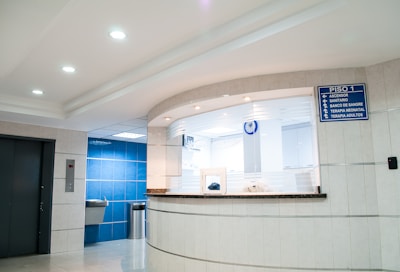
 Medical Facility
 Patient Care
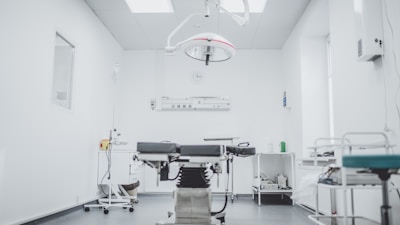 Consultation Room
 Medical Staff
 Recovery Suite
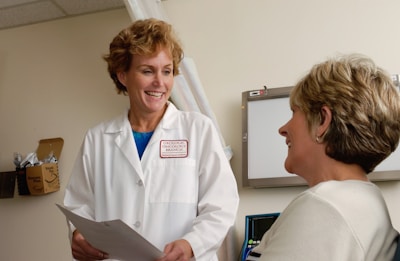 Treatment Room