Your relationship with your Korean clinic doesn't end when you fly home. Here's how to manage ongoing care from afar.
Before Leaving Korea
Get Documentation
- Detailed operative report
- Post-operative care instructions
- Medication list and schedule
- Emergency contact information
- Photos of current healing status
Clarify Communication
- Best way to contact clinic
- Expected response time
- When to send updates
- What concerns warrant contact
Remote Follow-Up Methods
Photo Updates
- Send progress photos as requested
- Consistent angles and lighting
- Include multiple views
- Note any concerns
Video Calls
- Schedule for significant check-points
- Usually at 1, 3, and 6 months
- Prepare questions in advance
Messaging
- KakaoTalk most common
- Email for detailed questions
- Keep records of all communication
Local Medical Support
Finding Local Help
- Inform your regular doctor about surgery
- Provide them with operative notes
- Know local emergency options
When to Seek Local Care
- Infection signs
- Severe pain
- Breathing difficulties
- Anything requiring immediate attention
Timeline for Follow-Up
Week 1-2
Daily self-monitoring, photo updates if requested
Month 1
Virtual check-in, questions addressed
Month 3
Progress assessment, final results beginning to show
Month 6-12
Final results evaluation, discuss any concerns
Returning for Follow-Up
Some patients return to Korea for in-person follow-up or touch-ups. Plan this possibility into your timeline.









 Clinic Introduction
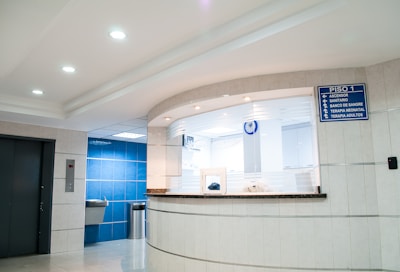
 Medical Facility
 Patient Care
 Consultation Room
 Medical Staff
 Recovery Suite
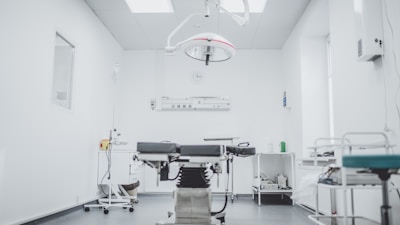
 Treatment Room