Timing your Korean surgery trip strategically can enhance your experience. Here's a seasonal breakdown to help you plan.
Spring (March-May)
Advantages
- Mild, comfortable weather
- Cherry blossom season (late March-April)
- Good for recovery walks
- Less crowded than summer
Considerations
- April can have yellow dust from China
- Book accommodation early for cherry blossom season
Best For
Most procedures, especially those requiring outdoor recovery walks
Summer (June-August)
Advantages
- Long daylight hours
- Indoor activities abundant
- Air conditioning everywhere
Considerations
- Hot and humid (challenging for recovery)
- Monsoon season (late June-July)
- Peak travel season - higher prices
- Swelling may be worse in heat
Best For
Procedures where you'll stay indoors during recovery
Fall (September-November)
Advantages
- Ideal weather conditions
- Beautiful autumn foliage
- Comfortable for all activities
- Moderate crowds
Considerations
- Popular time - book early
- Chuseok holiday (September/October) - clinics may close
Best For
Any procedure - considered optimal season
Winter (December-February)
Advantages
- Easy to hide recovery under winter clothes
- Lower prices (except holidays)
- Less crowded clinics
- Good healing environment
Considerations
- Cold weather (-10°C possible)
- Dry air affects skin
- Holiday closures (Christmas, New Year, Lunar New Year)
Best For
Facial procedures, laser treatments requiring sun avoidance





 Clinic Introduction
 Medical Facility
 Patient Care
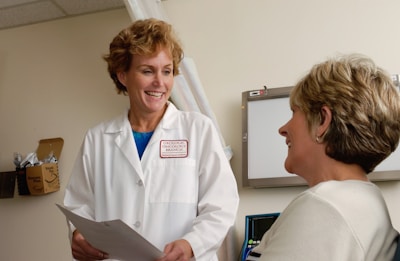
 Consultation Room
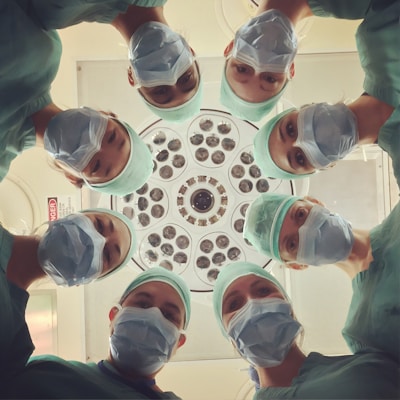
 Medical Staff
 Recovery Suite
 Treatment Room