While rare, knowing how to handle emergencies during your Korean surgery trip provides peace of mind. Here's your emergency preparedness guide.
Before Your Trip
Preparation
- Save emergency numbers
- Understand your insurance coverage
- Know nearest hospital to accommodation
- Have clinic's 24-hour contact
Emergency Numbers
- Korean Emergency: 119
- Police: 112
- Tourist Helpline: 1330
- Your embassy
Medical Emergency Signs
Seek Immediate Help For
- Difficulty breathing
- Severe bleeding
- High fever (over 39°C/102°F)
- Severe allergic reaction
- Extreme pain not controlled by medication
- Signs of infection spreading
What to Do
Step 1: Assess
- Is it truly emergency or concern?
- Life-threatening → 119
- Urgent but stable → clinic first
Step 2: Contact
- Call clinic emergency line
- If no answer, go to hospital
- Bring surgery documentation
Step 3: Document
- Take photos if relevant
- Note timeline of symptoms
- Keep all records
Hospital Care in Korea
What to Expect
- High-quality emergency care
- Translation services often available
- Payment may be required upfront
- Get detailed records
Contacting Your Clinic
- Use emergency contact provided
- Be specific about symptoms
- Follow their guidance
- They may meet you at hospital
Insurance and Costs
- Keep all receipts
- Contact insurance immediately
- Get English documentation
- Clinic may cover complications
After Emergency
- Follow all medical advice
- Consider extending stay
- Document everything for insurance
- Communicate with home doctors





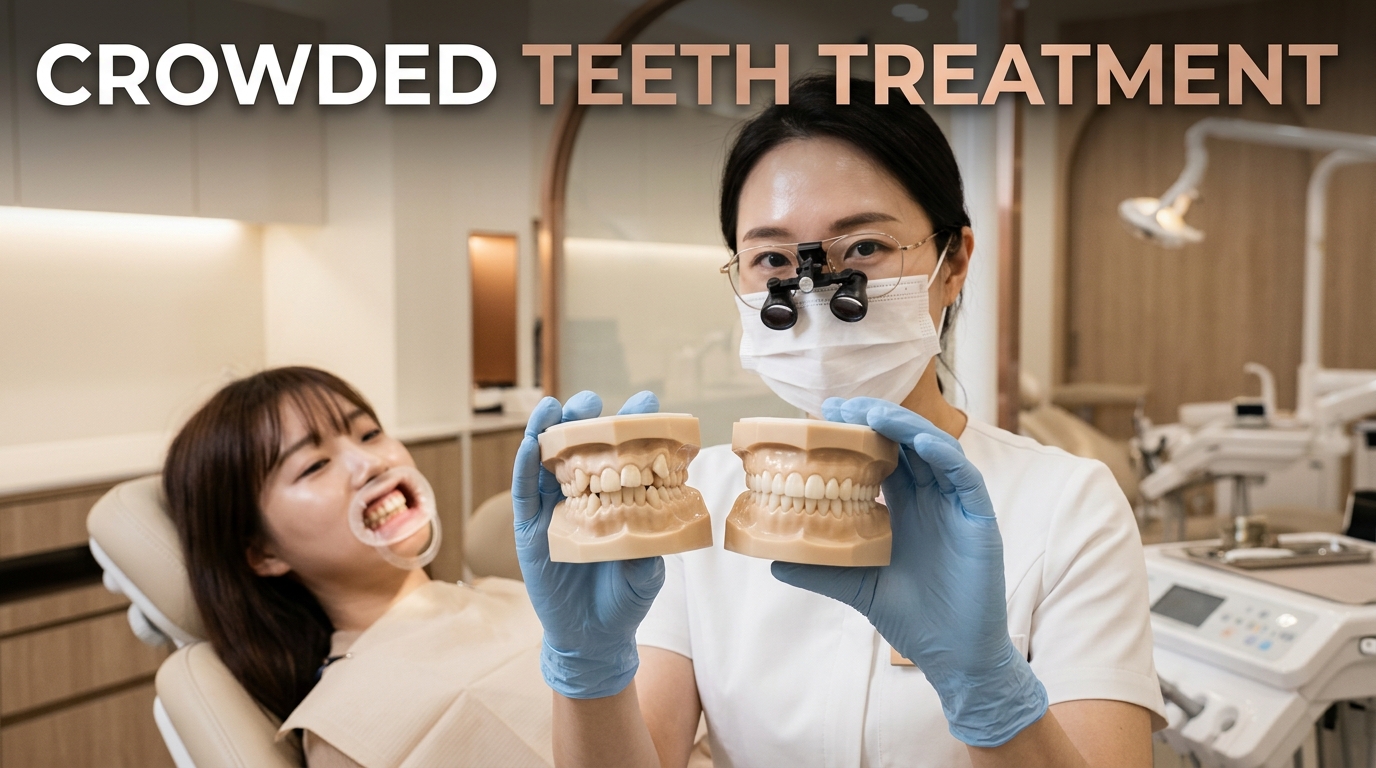



 Clinic Introduction
 Medical Facility
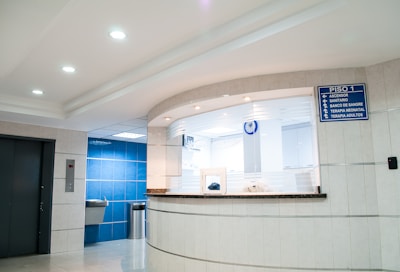 Patient Care
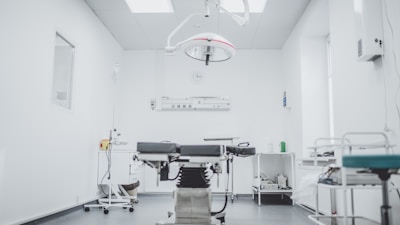 Consultation Room
 Medical Staff
 Recovery Suite
 Treatment Room