Korean surgeons are renowned for minimal scarring techniques. Understanding these approaches helps set expectations and optimize healing.
Incision placement: Korean techniques prioritize hidden incisions—inside the mouth for jaw surgery, within natural creases for eyelids, inside nostrils or columella for rhinoplasty. Discuss exact incision locations during consultation.
Suturing techniques: Layered closure, smaller gauge sutures, and precise tension control all contribute to finer scars. Korean surgeons often spend significant time on closure, recognizing its importance for aesthetic outcomes.
Post-operative scar care: Silicone sheets or gels, consistent sunscreen use, gentle massage after full closure, and LED therapy all support optimal scar healing. Follow your surgeon's specific protocol.
Scar revision options: If scars heal poorly, Korean clinics offer laser treatments, steroid injections, and surgical revision. Discuss this possibility before your initial procedure.
Healing timeline: Scars typically look worst at 1-3 months, then gradually fade over 12-18 months. Patience is essential—judging final scar quality too early leads to unnecessary worry.
Individual factors affecting scarring: Genetics, skin type, age, and health conditions all influence scar healing. Darker skin types have higher keloid risk—discuss this with your surgeon if applicable.
Document your scars: Regular photos help track improvement and provide comparison when you feel healing is slow.




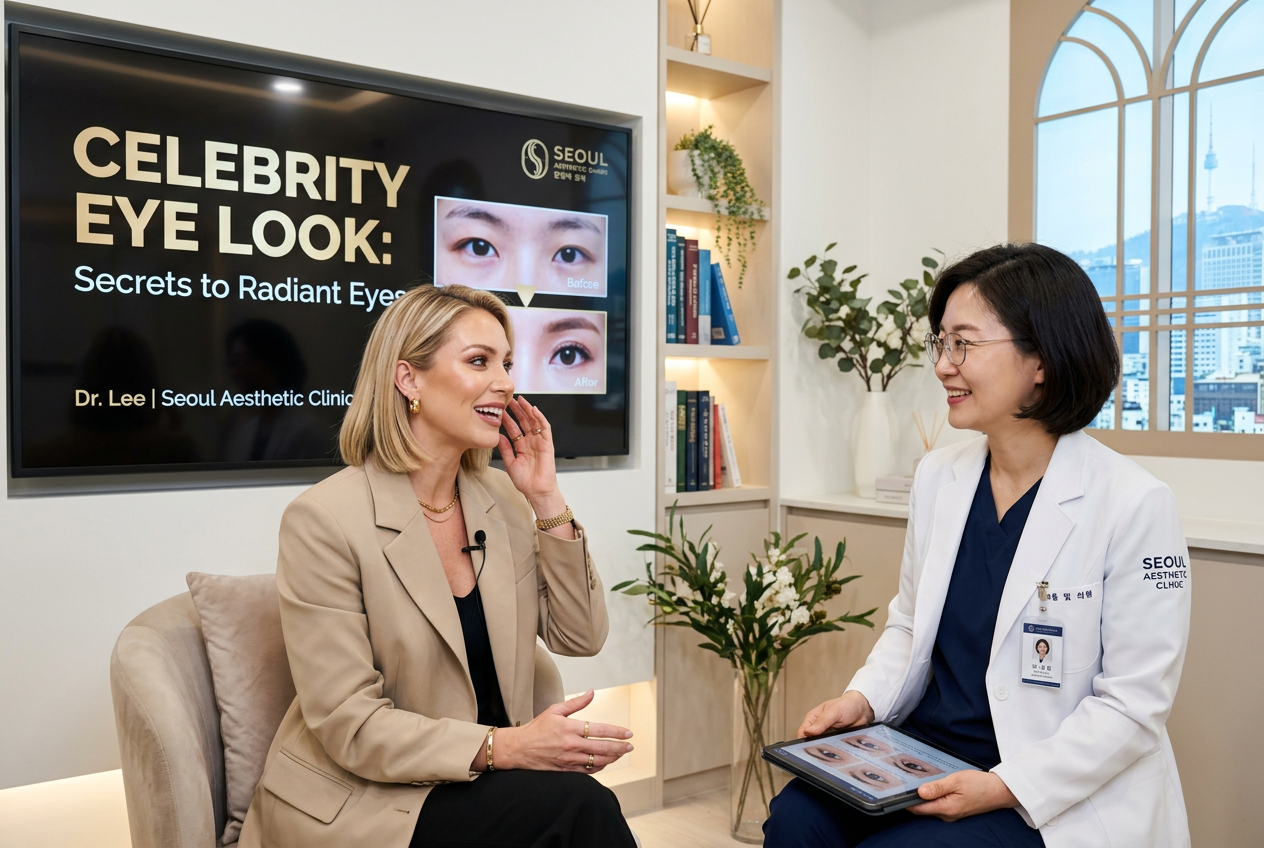


 Clinic Introduction
 Medical Facility
 Patient Care
 Consultation Room
 Medical Staff
 Recovery Suite
 Treatment Room