If your procedure requires hospital stay, understanding Korean hospital food helps prepare for this often-surprising aspect of recovery.
Korean hospital meals differ significantly from Western hospital food. Expect rice-based meals with multiple small side dishes (banchan), soup, and protein. Food tends toward healthy Korean home cooking rather than bland Western hospital fare.
Common offerings include: juk (rice porridge) immediately post-surgery for easy digestion, then progressing to regular rice with mild banchan. Expect kimchi, which may be too spicy for some patients—you can request milder options.
Dietary restrictions: Communicate allergies and restrictions clearly. "Vegetarian" in Korea may still include seafood or fish sauce—specify "no meat, no fish, no seafood" if needed. Halal and kosher options are limited; bring snacks if this concerns you.
For longer recoveries in hotels or Airbnbs, food delivery apps (Coupang Eats, Baemin) offer extensive options. Many restaurants accommodate post-surgery needs—soft foods, mild flavors, nutritious options.
Foods that aid healing: Seaweed soup (miyeokguk) is traditional for recovery. Bone broth, protein-rich options, and vitamin C-rich fruits support healing. Your clinic may provide specific dietary guidelines.
Foods to avoid: Alcohol, very spicy food, and hard/chewy foods (especially after facial procedures) should be avoided during early recovery.









 Clinic Introduction
 Medical Facility
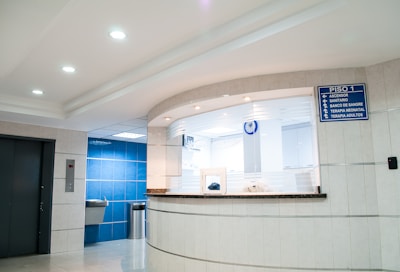 Patient Care
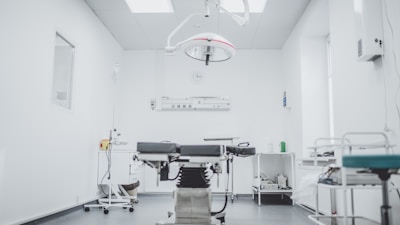 Consultation Room
 Medical Staff
 Recovery Suite
 Treatment Room