Most Korean surgery patients must manage recovery at home, far from their surgeon. Planning for long-distance follow-up prevents complications from going unaddressed.
Before leaving Korea: Ensure you have emergency contact information, detailed written aftercare instructions in your language, all necessary prescriptions, and post-operative photos documented by the clinic.
Virtual follow-up systems: Most Korean clinics offer KakaoTalk, WhatsApp, or email consultations. Take regular photos and videos to share—proper lighting and angles help surgeons assess healing remotely.
Finding local support: Before your trip, identify a plastic surgeon at home willing to provide emergency care if needed. Some surgeons are reluctant to handle others' complications, so finding someone in advance prevents scrambling during emergencies.
Return trip considerations: Some procedures (like bone surgery or complex revisions) may require return visits. Factor this into your decision-making and budget. Clinics sometimes cover accommodation for returns related to complications.
Documentation for home doctors: Keep all surgical records, implant information (including serial numbers), and medication lists accessible. This information proves essential if you need care elsewhere.
Timeline management: Understand what's normal for your specific procedure. Many patients panic at normal swelling or numbness. Your clinic should provide detailed healing timelines to calibrate expectations.
Travel insurance: Ensure your policy covers post-surgical complications for the duration of your recovery, not just your trip.







 Clinic Introduction
 Medical Facility
 Patient Care
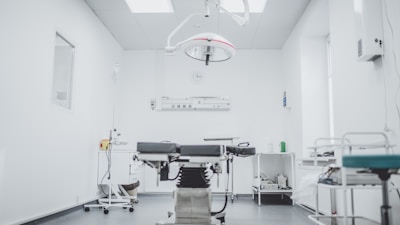 Consultation Room
 Medical Staff
 Recovery Suite
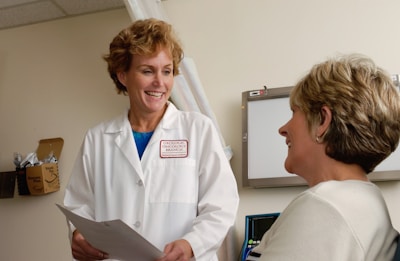 Treatment Room