Abdominal Liposuction

Overview
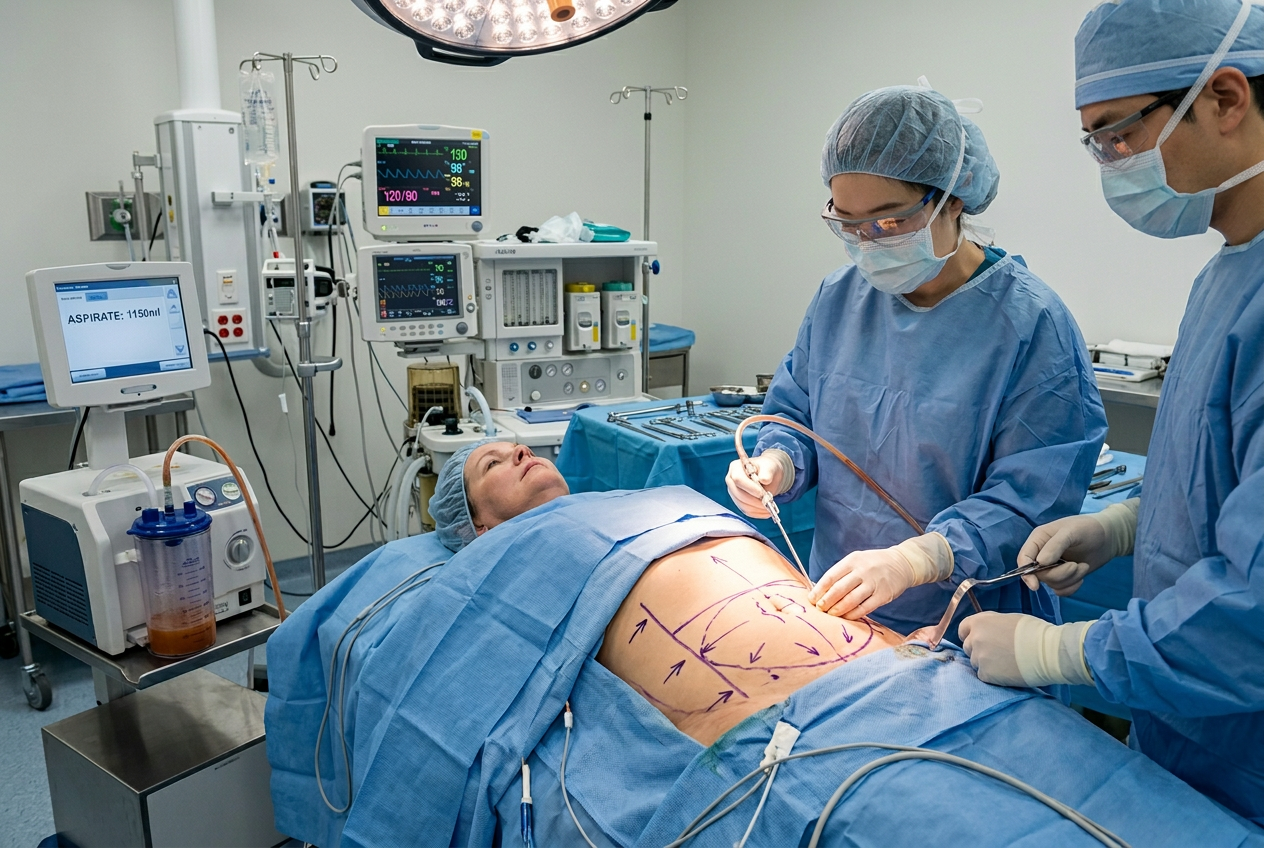
Abdominal liposuction is a body-contouring surgery designed to remove localized deposits of fat that are resistant to diet and exercise. Unlike weight-loss surgery, this procedure focuses on sculpting the subcutaneous fat layer located just beneath the skin. It is commonly performed on the upper and lower abdomen, as well as the flanks (love handles), to create a more defined and balanced torso.
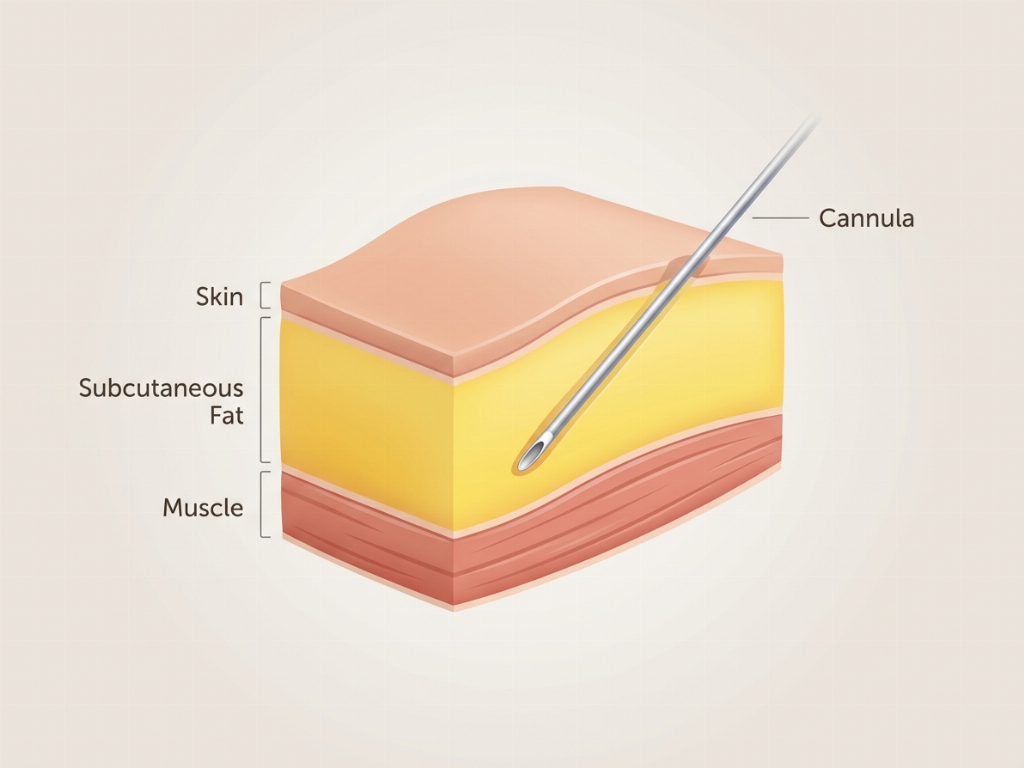
The procedure involves making tiny, discreet incisions through which a thin tube called a cannula is inserted. Using various techniques such as tumescent, ultrasonic, or power-assisted liposuction, the surgeon breaks down fat cells and suctions them out. This process physically reduces the number of fat cells in the treated area, allowing for a more streamlined physical profile.
Expected Results
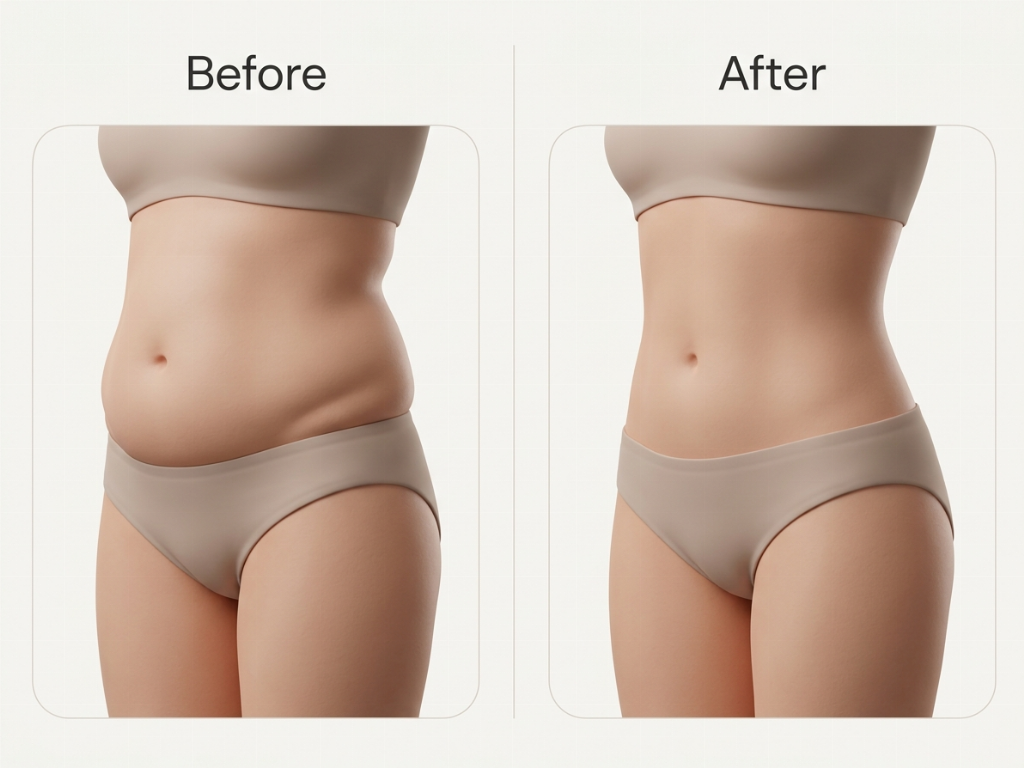
Patients can expect a visible reduction in abdominal volume and a more contoured waistline. While the removed fat cells are permanently removed, it is vital to understand that remaining fat cells in the body can still expand if weight is gained. Therefore, the most successful and long-lasting outcomes are seen in patients who maintain a stable weight through a healthy lifestyle.
Initial changes are often visible once the primary swelling subsides, but the final silhouette typically emerges over several months. As the skin retracts and the internal tissues heal, the abdomen appears flatter and firmer. It is important to note that liposuction is not a treatment for skin laxity; patients with significant loose skin may require a combined approach, such as a tummy tuck, for optimal results.
Why Korea & Cost
South Korea is a global leader in body contouring, known for surgeons who prioritize harmonious proportions and utilize advanced technologies like VASER or PAL (Power-Assisted Liposuction). Korean clinics often provide comprehensive care packages that include high-frequency ultrasound treatments and deswelling laser therapy to accelerate the healing process and improve skin tightening post-surgery.
The cost of abdominal liposuction in Korea varies based on several factors, including the volume of fat to be removed, the specific areas treated (e.g., full abdomen vs. lower abdomen), and the technology used. A personalized consultation is necessary to receive an exact quote, as surgeons must assess your BMI, skin elasticity, and aesthetic goals to determine the appropriate surgical plan.
Recovery & Aftercare
Recovery from abdominal liposuction is a gradual process. For the first few weeks, patients must wear a medical-grade compression garment. This garment is essential for minimizing swelling, supporting the new contours, and helping the skin adhere smoothly to the underlying tissue. Most patients can return to light office work within a week, though strenuous exercise should be avoided for at least a month.
During the healing phase, it is normal to experience bruising, numbness, and localized hardness. These symptoms are temporary and typically resolve as the body heals. Following all post-operative instructions, including attending follow-up appointments and staying hydrated, is crucial for preventing complications and ensuring the best possible aesthetic outcome.
Who Is It For?
- Individuals within 30% of their ideal body weight
- Those with localized abdominal fat resistant to diet
- Patients with good skin elasticity for better retraction
- Non-smokers in good overall physical health
- Individuals with realistic expectations for body contouring
Benefits
- Permanent removal of targeted fat cells with stable weight
- Improved definition of the abdominal muscles and waist
- Enhanced fit of clothing and overall body confidence
- Minimally invasive incisions that result in faint scarring
- Customizable sculpting of the upper and lower abdomen
How It's Done
- Marking of the treatment zones while the patient is standing
- Administration of anesthesia for patient comfort
- Injection of tumescent solution to numb and firm fat
- Insertion of a thin cannula through micro-incisions
- Suctioning of fat cells using controlled back-and-forth motions
- Closing of incisions and application of compression garment
Risks & Side Effects
- Temporary bruising, swelling, and numbness
- Irregularities in skin contour or asymmetry
- Infection or seroma (fluid accumulation)
- Rare but serious risks like DVT or fat embolism
- Skin necrosis or thermal injury from energy devices
Recovery
- Wear compression garment 24/7 for the first 2-4 weeks
- Initial swelling and bruising peak within the first week
- Return to non-strenuous work typically after 7 days
- Avoid heavy lifting and intense exercise for 4-6 weeks
- Full results typically visible after 6 to 12 months
Aftercare
- Keep incision sites clean and dry as instructed
- Take prescribed antibiotics and pain medication on schedule
- Walk frequently but gently to promote healthy circulation
- Attend all scheduled post-operative checkups and treatments
- Maintain a high-protein, low-sodium diet to manage swelling
Precautions
- Avoid smoking and alcohol for at least 2-4 weeks
- Do not submerge in baths or pools until incisions heal
- Avoid blood-thinning supplements like Vitamin E or aspirin
- Report any sudden shortness of breath or calf pain immediately
- Maintain a stable weight to preserve the surgical results
| Duration | 90-240 min |
|---|---|
| Recovery | 7-28 days |
| Anesthesia | General anesthesia |
| Price Range | approx. $2,220 – $5,930 (based on ₩3,000,000–₩8,000,000) |










 Clinic Introduction
 Medical Facility
 Patient Care
 Consultation Room
 Medical Staff
 Recovery Suite
 Treatment Room