Ceramic Braces
Overview
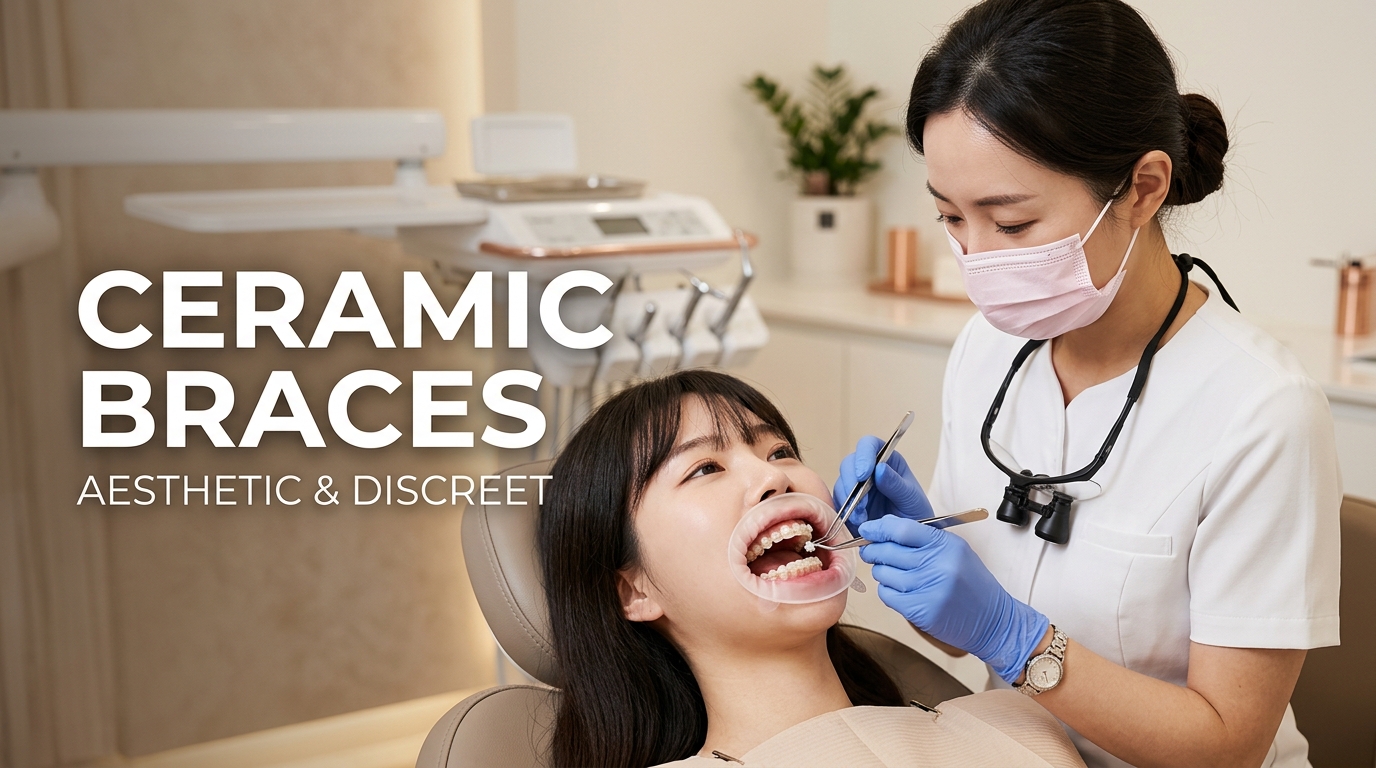
Ceramic braces are a fixed orthodontic treatment designed to straighten teeth and correct bite misalignments using brackets made of polycrystalline alumina. Unlike traditional metal braces, these brackets are engineered to blend in with the natural color of your tooth enamel or appear translucent, making them a popular choice for adults and professionals seeking a less noticeable treatment option.
The system works similarly to metal braces, utilizing a series of archwires and elastic ties to apply gentle, continuous pressure on the teeth. Over time, this pressure guides the teeth into their ideal positions. While the brackets are ceramic, the archwire is typically made of metal, though it can sometimes be coated in a tooth-colored material to further enhance the discreet appearance of the appliance.
Expected Results
The primary goal of ceramic braces is to achieve a harmonious, functional, and aesthetically pleasing smile. Patients can expect a gradual correction of crowding, spacing, and various bite issues such as overbites or underbites. Because the ceramic material is less conspicuous than stainless steel, the aesthetic impact during the treatment period is significantly reduced.
Final results depend on the complexity of the initial dental alignment and the patient's adherence to follow-up appointments. Once the active phase of treatment is complete, the teeth will appear straighter and more symmetrical. It is important to note that the longevity of these results relies heavily on the consistent use of retainers to prevent the teeth from shifting back to their original positions.

Why Korea & Cost
South Korea is a global hub for advanced dental technology, offering highly specialized orthodontic care that integrates 3D digital scanning and AI-driven treatment planning. Korean dental clinics are known for their meticulous attention to detail and the use of high-quality, stain-resistant ceramic materials. Many international patients choose Korea for the combination of experienced board-certified orthodontists and comprehensive aftercare services, including English-speaking coordinators.
The cost of ceramic braces in Korea is influenced by several factors, including the complexity of the dental misalignment, the specific brand of ceramic brackets used, and the duration of the treatment plan. Additional procedures, such as extractions or the use of temporary anchorage devices (TADs), may also affect the final quote. A detailed consultation and digital X-ray analysis are necessary to provide an accurate price estimate tailored to your specific needs.
Recovery & Aftercare
The initial adjustment period for ceramic braces typically lasts about one to two weeks. During this time, patients may experience mild soreness in the teeth and gums as they adapt to the pressure. The inner cheeks and lips may also feel slight irritation from the brackets, which can be managed using orthodontic wax. Most patients find that any discomfort is temporary and easily managed with over-the-counter relief.
Maintaining excellent oral hygiene is critical throughout the treatment. Because ceramic brackets can be slightly larger and more brittle than metal ones, patients must be diligent about cleaning around the appliances to prevent plaque buildup and staining of the elastic ties. Regular professional cleanings and monthly adjustment visits are essential to ensure the treatment progresses according to the planned timeline.
Who Is It For?
- Adults and teens seeking a discreet orthodontic option
- Patients with moderate to severe dental crowding or spacing
- Individuals with bite alignment issues like overbite or underbite
- Those committed to maintaining rigorous oral hygiene
- Patients who do not play high-contact sports frequently
Benefits
- Less visible than traditional stainless steel braces
- Effective for complex tooth movements and bite correction
- Stain-resistant ceramic material maintains aesthetics
- Smooth bracket design for improved lip and cheek comfort
- Predictable and reliable orthodontic outcomes
How It's Done
- Comprehensive dental exam with 3D X-rays and digital scans
- Professional teeth cleaning and surface preparation
- Application of bonding adhesive to each tooth
- Precise placement of ceramic brackets and curing with light
- Insertion of the initial archwire and securing with elastics
Risks & Side Effects
- Temporary tooth sensitivity and gum soreness
- Bracket breakage due to the brittle nature of ceramic
- Enamel wear if brackets rub against opposing teeth
- Potential for elastic ties to stain between visits
- Root resorption in rare, long-term cases
Recovery
- Initial soreness usually resolves within 5 to 10 days
- Soft food diet recommended for the first few days
- Orthodontic wax can be used to prevent cheek irritation
- Speech may be slightly affected initially but returns to normal
- Over-the-counter pain relief can manage minor discomfort
Aftercare
- Brush thoroughly after every meal to prevent plaque
- Use interdental brushes or floss threaders daily
- Avoid hard, sticky, or crunchy foods that break brackets
- Limit highly pigmented foods like coffee or curry to prevent tie staining
- Attend all scheduled adjustment appointments every 4-6 weeks
Precautions
- Wear a mouthguard if participating in non-contact sports
- Do not attempt to repair broken wires or brackets at home
- Report any poking wires or loose brackets to the clinic immediately
- Ensure consistent use of retainers after braces are removed
- Maintain regular general dental checkups during treatment
| Duration | 30-90 min |
|---|---|
| Recovery | 5-14 days |
| Anesthesia | No anesthesia |
| Price Range | Consultation required |




 Clinic Introduction
 Medical Facility
 Patient Care
 Consultation Room
 Medical Staff
 Recovery Suite
 Treatment Room