Dental Laminate
Overview
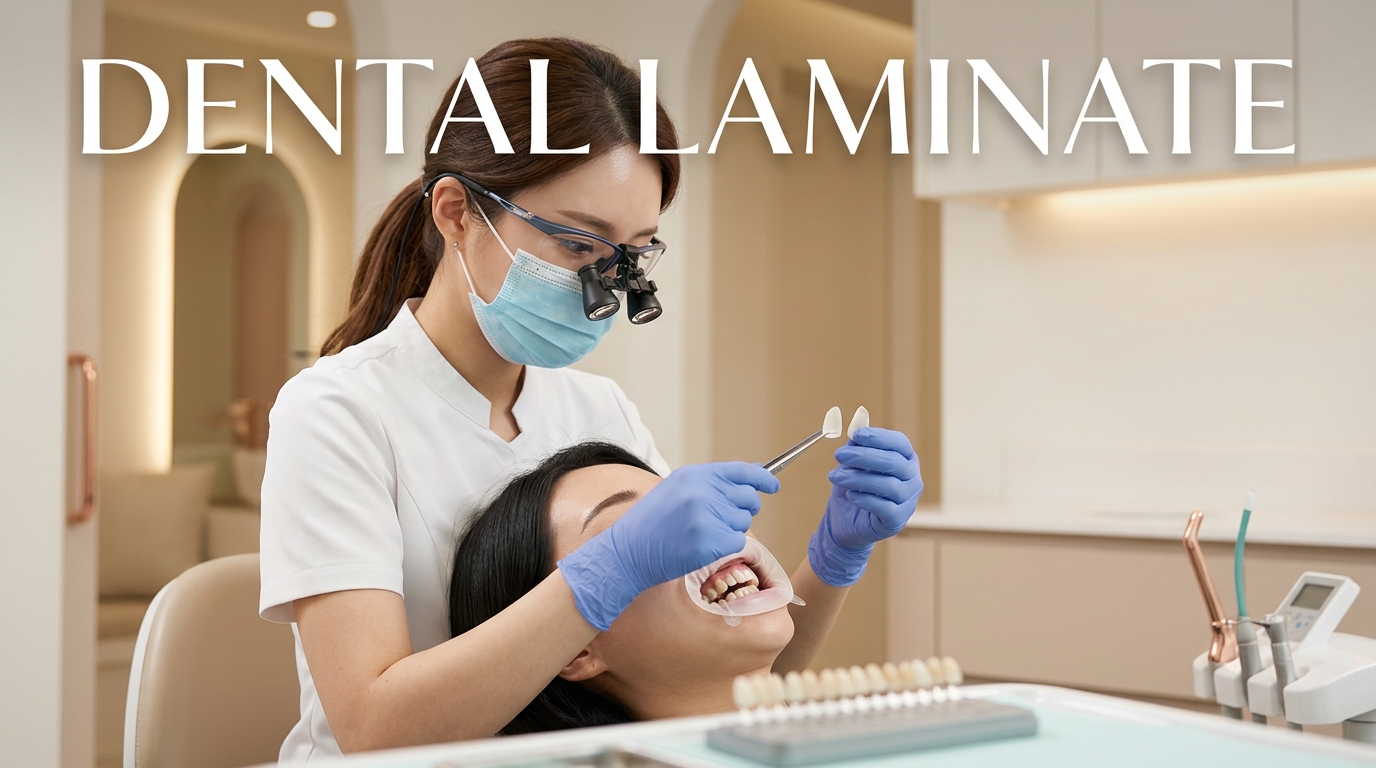
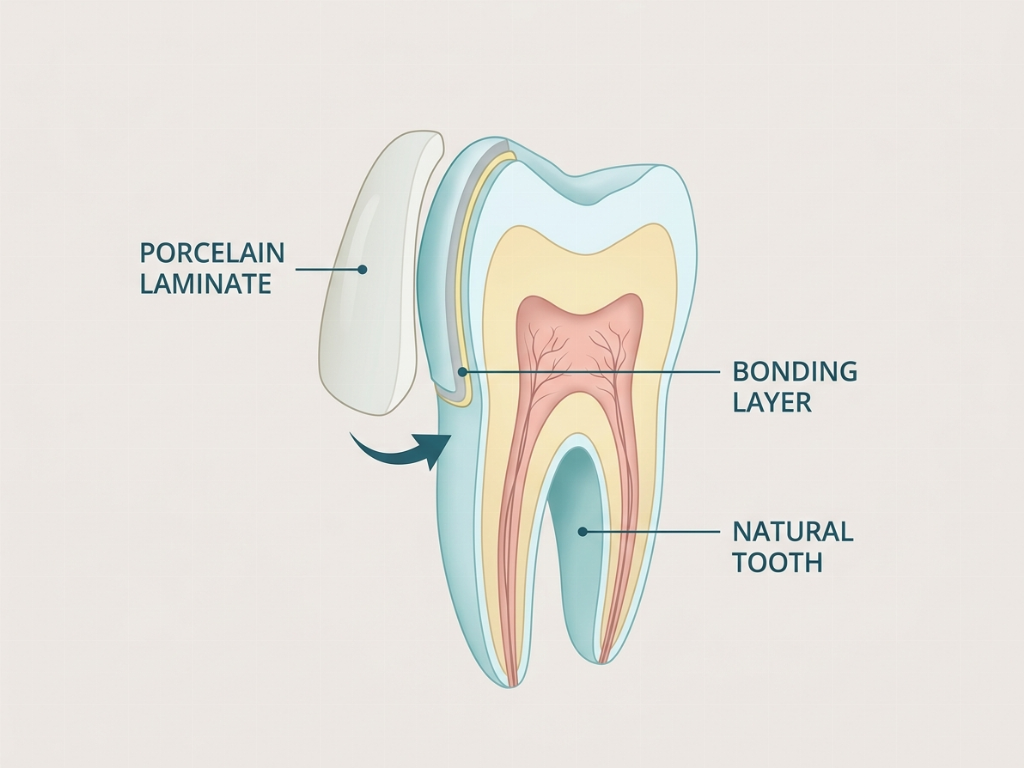
A dental laminate, often referred to as a porcelain veneer, is a thin shell of high-quality ceramic designed to cover the front surface of a tooth. This procedure is primarily used to address aesthetic concerns such as deep staining, minor chips, or gaps between teeth. Unlike traditional crowns that require significant tooth reduction, laminates are a more conservative approach, though they typically involve the irreversible removal of a very thin layer of enamel to ensure a flush, natural fit.
The process involves a high degree of customization. Each laminate is crafted to match the translucency and light-reflecting properties of natural tooth enamel. Because the procedure involves altering the natural tooth structure, it is considered a permanent commitment, as the treated teeth will always require a protective covering.
Expected Results
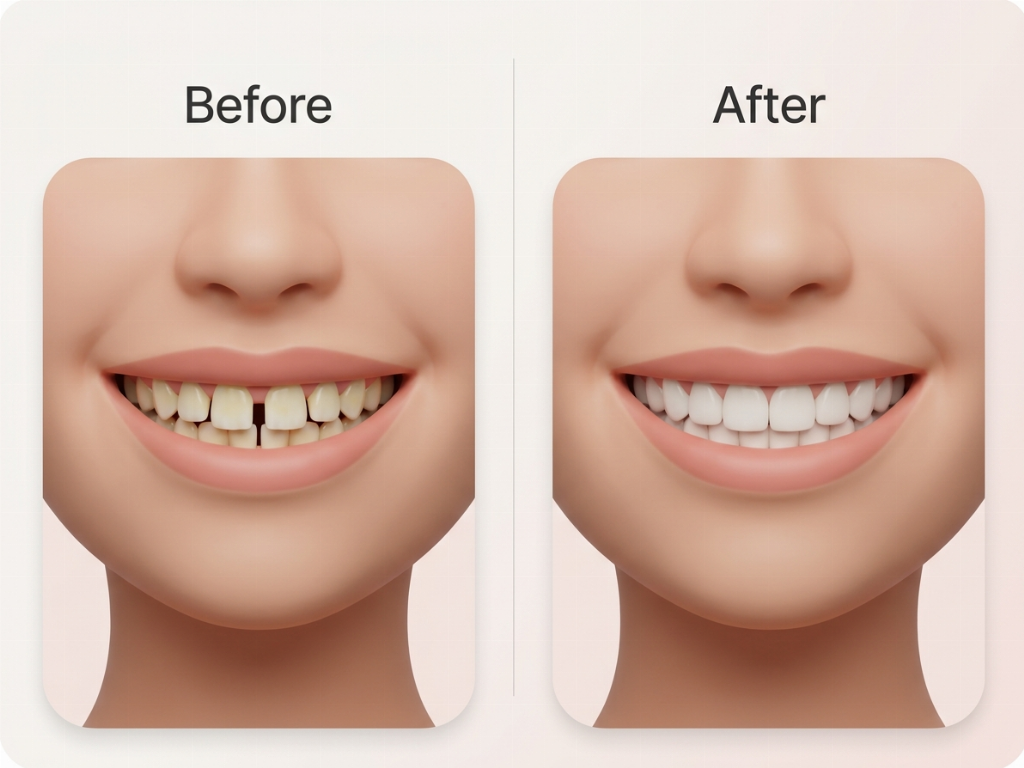
The primary goal of dental laminates is to provide a more uniform and brightened appearance to the smile. Patients can expect an improvement in the symmetry of their teeth and the masking of persistent discolorations that do not respond to traditional whitening. The ceramic material is highly resistant to staining from coffee, tea, or tobacco compared to natural enamel.
The results can last for many years with proper maintenance, though they may eventually require replacement due to natural wear or gum line recession. It is important to note that while laminates are durable, they are not indestructible and can chip or crack if subjected to excessive force, such as teeth grinding or biting on hard objects.
Why Korea & Cost
South Korea is a global leader in cosmetic dentistry, utilizing advanced CAD/CAM technology and 3D intraoral scanning to create highly precise restorations. Many Korean dental clinics feature in-house laboratories, which can significantly reduce the waiting time between the initial preparation and the final bonding, sometimes allowing for completion within a few days.
The cost of dental laminates in Korea is influenced by several factors, including the number of teeth being treated, the specific type of ceramic material used (such as E-max or zirconia), and the complexity of the patient's bite. A comprehensive consultation and digital smile design session are necessary to provide an accurate quote tailored to the individual's dental health and aesthetic goals.
Recovery & Aftercare
Recovery from dental laminate placement is usually rapid. Some patients may experience temporary sensitivity to hot and cold temperatures immediately following the procedure, which typically subsides within a few days as the teeth adjust to the new restorations. There is no downtime required, and most patients return to their normal activities immediately.
Long-term success depends heavily on oral hygiene and habit modification. While the laminate itself cannot decay, the underlying tooth structure is still susceptible to cavities. Regular professional cleanings and the use of a non-abrasive fluoride toothpaste are recommended to maintain the integrity of the bond and the health of the surrounding gum tissue.
Who Is It For?
- Individuals with permanent tooth discoloration or staining
- Those with minor chips or cracks in the front teeth
- Patients looking to close small gaps between teeth
- Individuals with slightly misaligned or unevenly shaped teeth
- Adults with healthy gums and sufficient tooth enamel
Benefits
- Aims to provide a more symmetrical and uniform smile
- Designed to match the natural translucency of real teeth
- Highly resistant to external staining from food and drinks
- Requires less tooth reduction than traditional dental crowns
- Custom-shaped to complement the patient's facial features
How It's Done
- Comprehensive dental exam and digital X-rays
- Digital smile design and shade selection
- Minimal removal of a thin layer of tooth enamel
- Taking a digital impression or physical mold of the teeth
- Placement of temporary laminates if necessary
- Final bonding and polishing of the custom porcelain shells
Risks & Side Effects
- Irreversible removal of natural tooth enamel
- Potential for increased tooth sensitivity to hot and cold
- Risk of the laminate chipping or debonding over time
- Possible gum irritation or inflammation at the margin
- The need for eventual replacement of the restorations
Recovery
- Most patients return to work or daily life immediately
- Mild tooth sensitivity may persist for 3 to 7 days
- Gums may feel slightly tender for the first 48 hours
- A follow-up checkup is usually scheduled after 1-2 weeks
- Speech may require a very brief adjustment period
Aftercare
- Brush twice daily with a non-abrasive toothpaste
- Floss daily to protect the underlying tooth structure
- Avoid biting directly into very hard foods like ice or hard candy
- Wear a nightguard if you have a history of teeth grinding
- Maintain regular professional dental cleanings every 6 months
Precautions
- Avoid staining agents immediately after the bonding process
- Do not use teeth as tools to open packaging
- Inform your dentist if you feel any high spots in your bite
- Be aware that laminates cannot be whitened with bleach
- Understand that the procedure is permanent and non-reversible
| Duration | 30-120 min |
|---|---|
| Recovery | 1-14 days |
| Anesthesia | Local anesthesia |
| Price Range | approx. $370 – $1,480 (based on ₩500,000–₩2,000,000) |



 Clinic Introduction
 Medical Facility
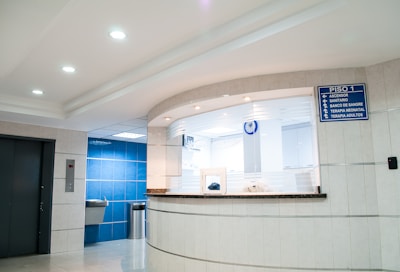 Patient Care
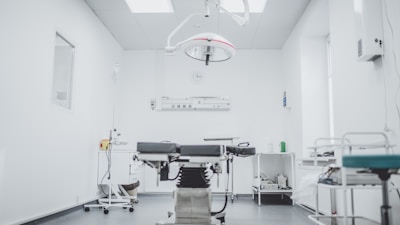 Consultation Room
 Medical Staff
 Recovery Suite
 Treatment Room