Dental Scaling
Overview
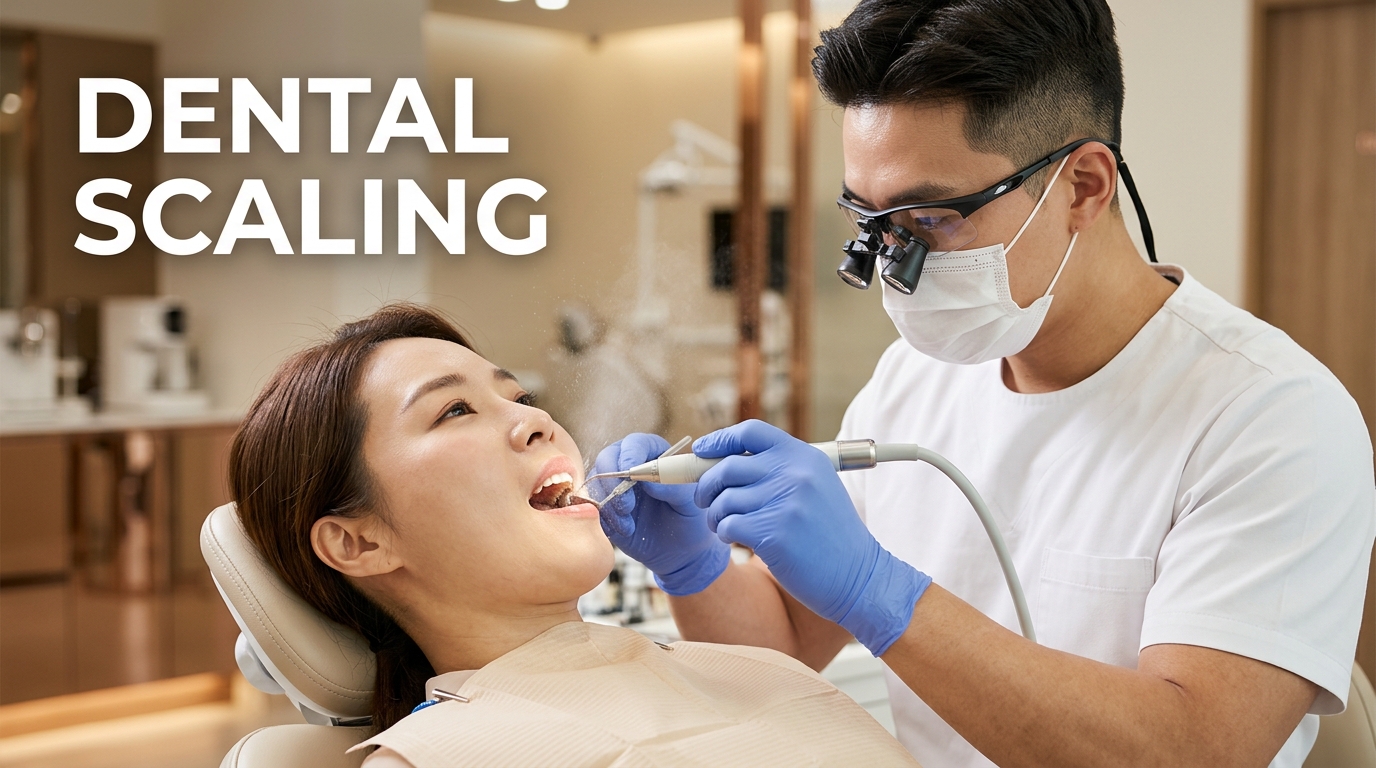
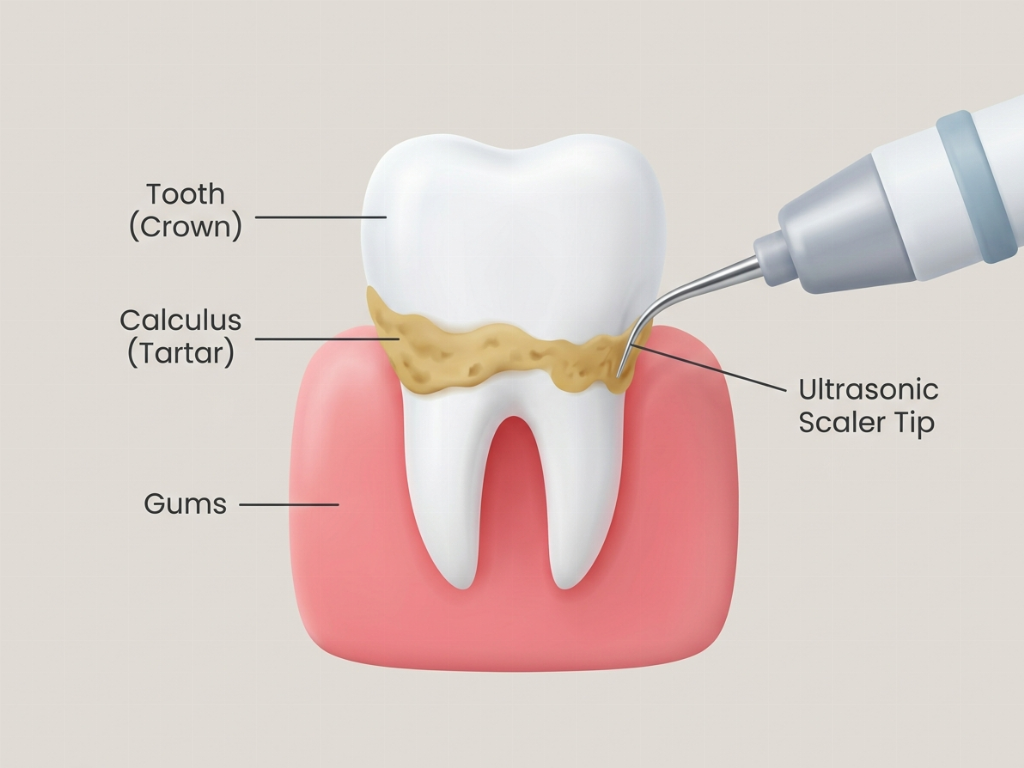
Dental scaling is a fundamental preventive procedure designed to remove calculus (tartar) and plaque that regular brushing and flossing cannot reach. Over time, saliva and minerals cause plaque to harden into calculus, which harbors bacteria and can lead to gingivitis or more severe periodontal disease if left untreated.
During the treatment, a dental professional uses specialized ultrasonic tools and manual instruments to carefully scrape away deposits from the tooth surfaces and just below the gum line. This process is essential for maintaining the structural integrity of the teeth and the health of the supporting gum tissue.
Expected Results
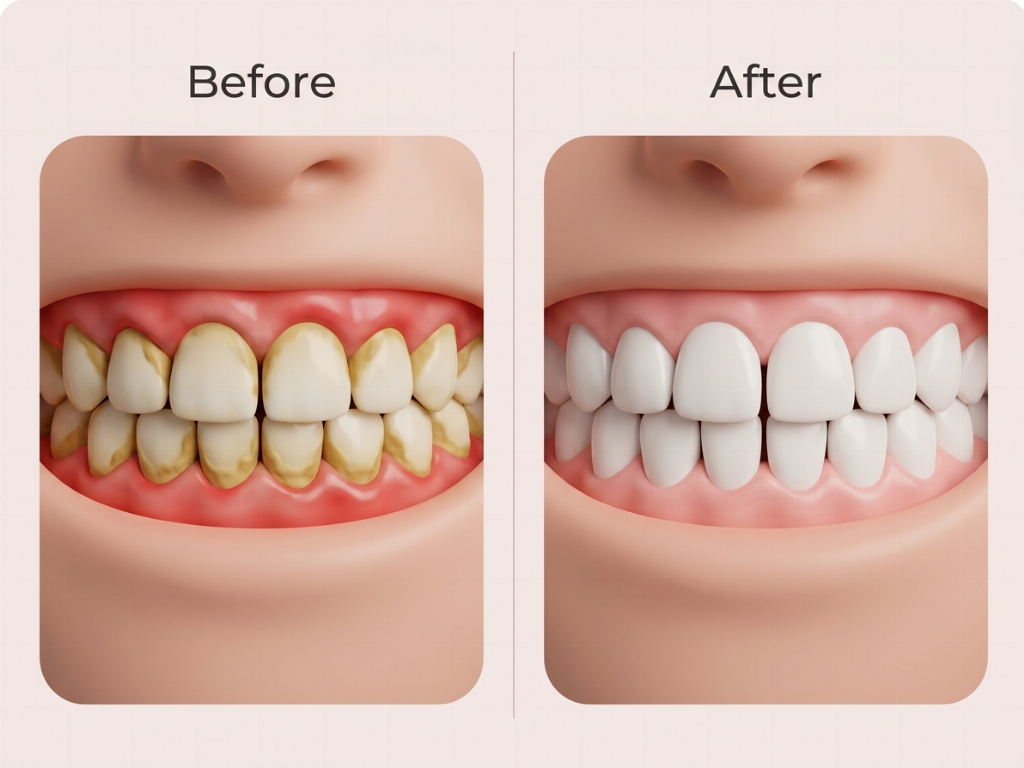
The primary result of dental scaling is a cleaner, smoother tooth surface and healthier gums. Patients often notice that their teeth feel 'lighter' and smoother to the tongue. By removing the bacterial load, the procedure helps reduce gum inflammation, redness, and bleeding during brushing.
While scaling is not a whitening treatment, it can significantly brighten the smile by removing external stains from coffee, tea, or tobacco. Furthermore, it can significantly reduce halitosis (bad breath) by eliminating the odor-producing bacteria trapped in tartar deposits.
Why Korea & Cost
South Korea is renowned for its advanced dental technology and high standards of hygiene. Many Korean dental clinics utilize state-of-the-art ultrasonic scalers that minimize discomfort and improve efficiency. International patients often choose Korea for dental care due to the high level of expertise and the seamless integration of digital diagnostics.
The cost of dental scaling in Korea is influenced by the extent of calculus buildup, the need for additional treatments like polishing or fluoride application, and the clinic's location. A consultation will provide a specific quote based on the current state of your oral health.
Recovery & Aftercare
Recovery from dental scaling is typically immediate, though some patients may experience mild tooth sensitivity to hot or cold temperatures for a few days. This is normal as the teeth adjust to the removal of the insulating tartar layer. Gums may also feel slightly tender or show minor swelling, which usually subsides within 24 to 48 hours.
Maintaining the results requires a diligent oral hygiene routine. Patients are encouraged to brush twice daily and floss regularly to prevent new plaque from hardening. Professional scaling is generally recommended every six to twelve months depending on individual needs.
Who Is It For?
- Individuals with visible tartar or calculus buildup
- Patients experiencing minor gum bleeding or redness
- Those looking to prevent gingivitis and periodontal disease
- Individuals with persistent bad breath caused by bacteria
- Patients due for their routine professional dental cleaning
Benefits
- Removes hardened tartar that brushing cannot reach
- Helps reduce bacteria-driven bad breath
- Can improve gum health and reduce inflammation
- Removes surface stains for a cleaner appearance
- Prevents the progression of gum disease
How It's Done
- Oral examination to assess the level of plaque and tartar
- Application of topical numbing gel if requested for comfort
- Ultrasonic scaling to vibrate and loosen large tartar pieces
- Manual scaling for precise removal of remaining deposits
- Polishing the tooth surfaces to remove stains and smooth enamel
- Final rinse and optional fluoride treatment
Risks & Side Effects
- Temporary tooth sensitivity to temperature
- Minor gum tenderness or localized swelling
- Slight bleeding during or immediately after the procedure
- Potential discomfort for patients with receding gums
Recovery
- Sensitivity usually resolves within 3 to 7 days
- Gums typically heal from minor irritation within 48 hours
- No downtime required; patients can return to work immediately
- Avoid extremely hot or cold foods for the first 24 hours
Aftercare
- Brush gently with a soft-bristled toothbrush
- Use a desensitizing toothpaste if sensitivity persists
- Floss daily to prevent new plaque from hardening into tartar
- Rinse with a mild salt-water solution or antiseptic mouthwash
- Schedule regular follow-up cleanings every 6 months
Precautions
- Inform the dentist about any heart conditions or implants
- Disclose any blood-thinning medications before the procedure
- Avoid smoking for at least 24 hours to promote gum healing
- Wait for any numbness to wear off before eating
| Duration | 90-240 min |
|---|---|
| Recovery | 14-28 days |
| Anesthesia | Topical anesthesia (optional) |
| Price Range | Consultation required |



 Clinic Introduction
 Medical Facility
 Patient Care
 Consultation Room
 Medical Staff
 Recovery Suite
 Treatment Room