Eye Revision Surgery
Overview
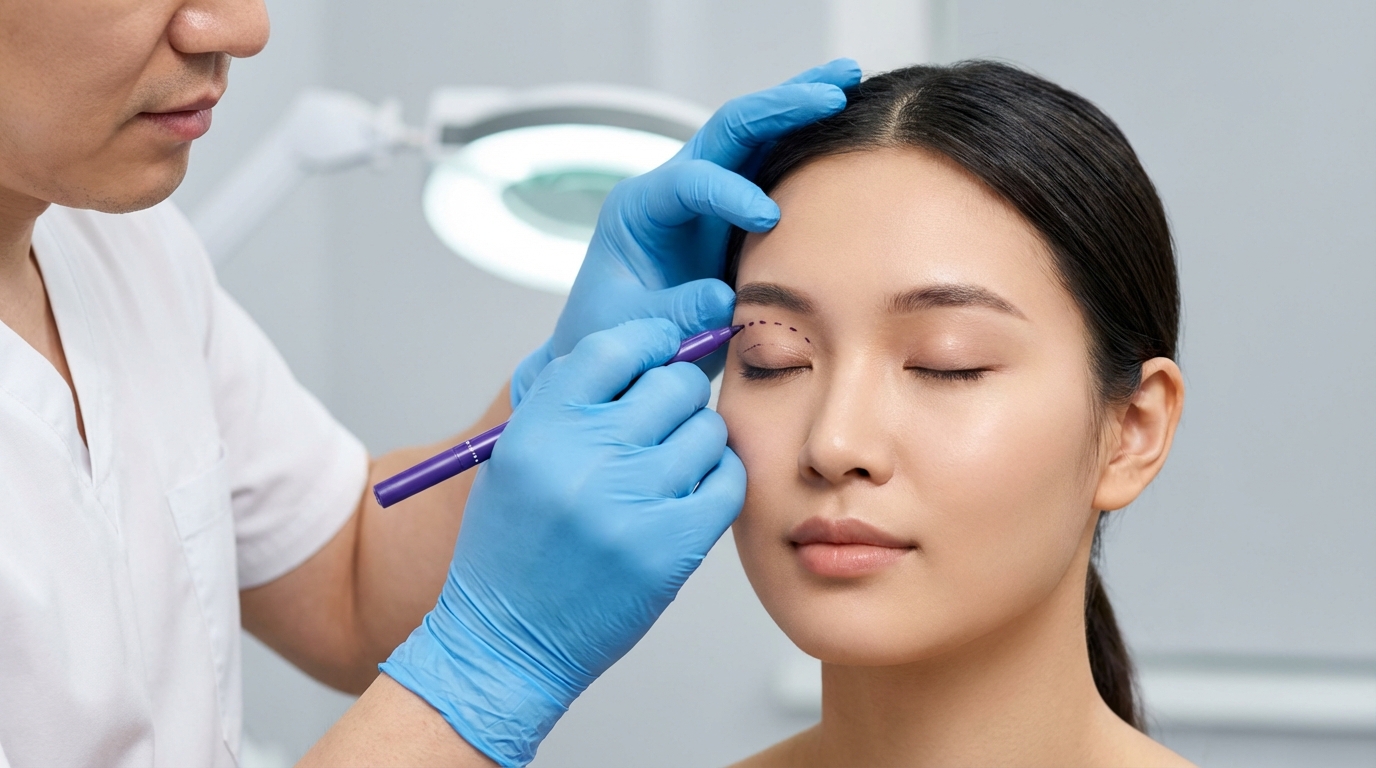
Eye revision surgery, often referred to as secondary blepharoplasty, is a specialized procedure designed to correct or improve the results of a previous eyelid surgery. Because the delicate tissues of the eye have already been altered, this procedure requires a significantly higher level of surgical precision and anatomical knowledge than a primary surgery. It addresses complications such as asymmetrical creases, excessive scarring, ptosis (drooping), or a 'sausage-like' thick eyelid appearance.
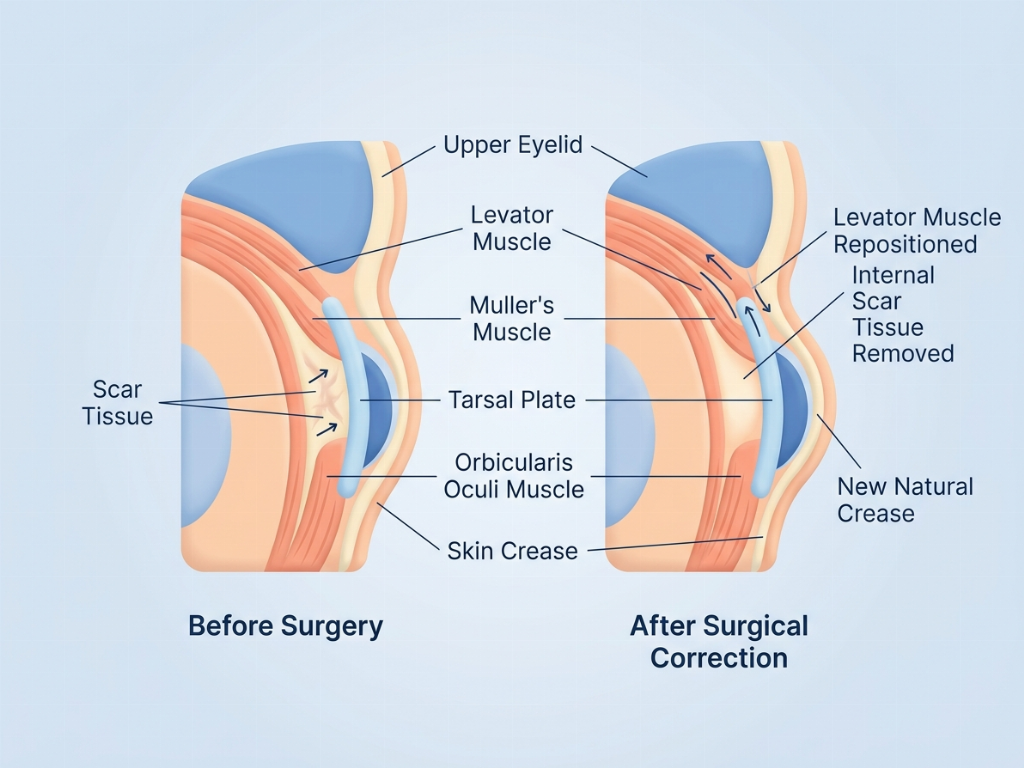
The surgery involves carefully reopening the previous incision site to remove scar tissue, redistribute fat, or adjust the underlying muscle and skin tension. The goal is not just to fix a cosmetic flaw, but to restore the natural harmony and functionality of the eyelid, ensuring the eyes can close properly while looking refreshed and balanced.
Expected Results
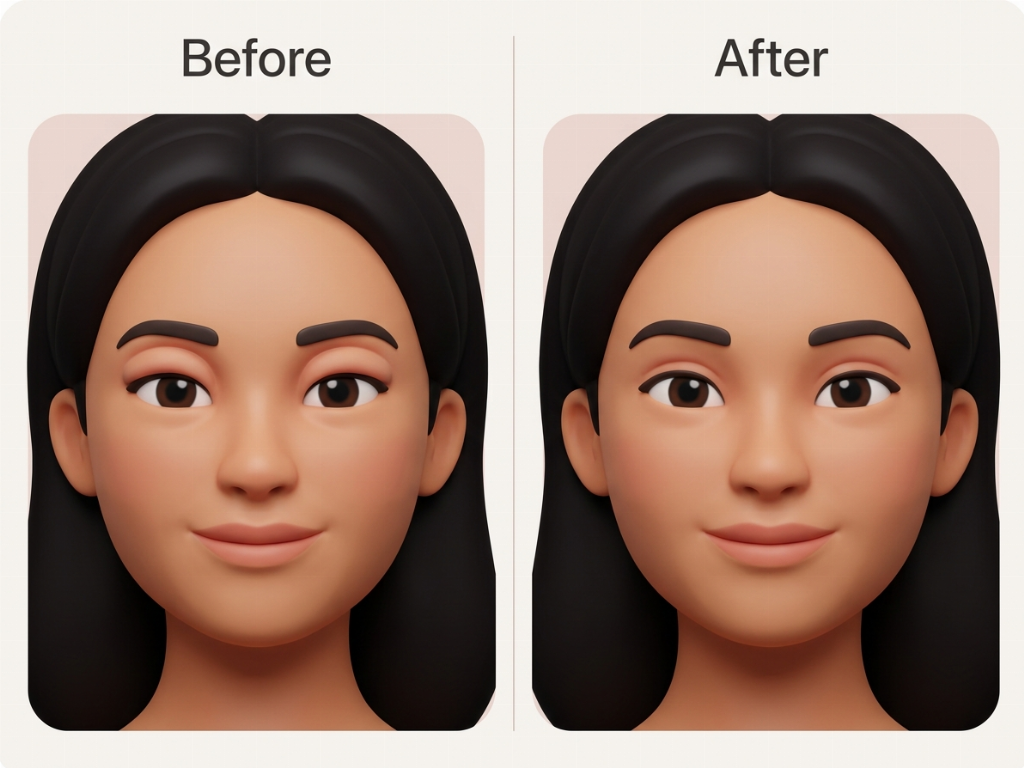
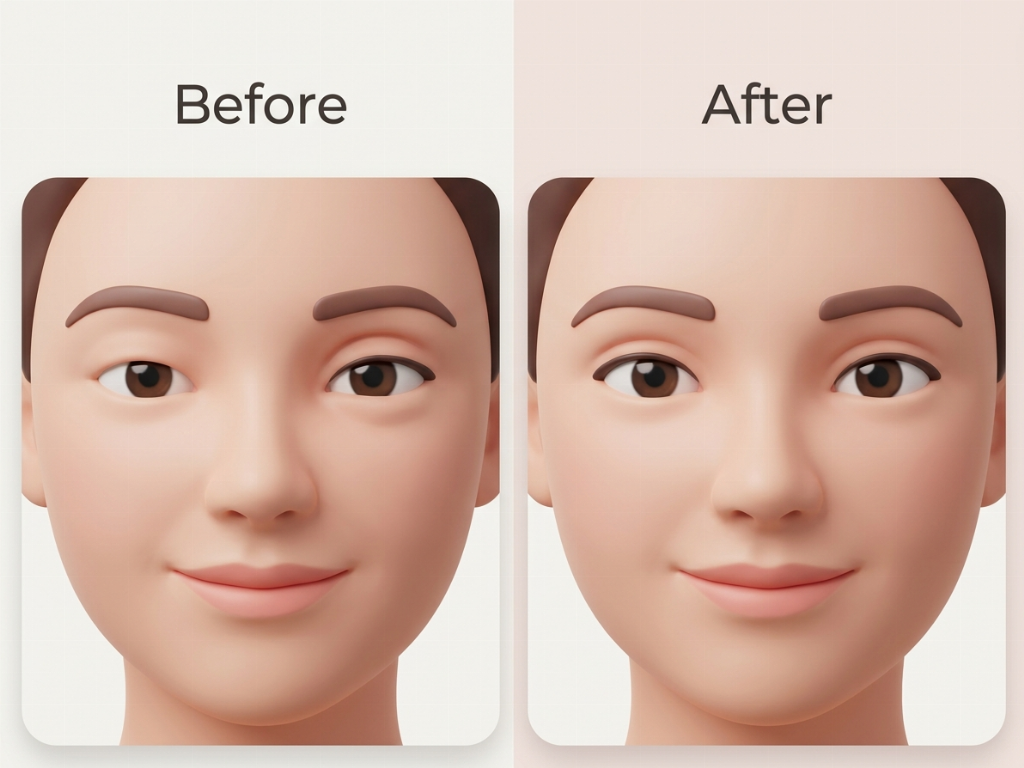
Patients can expect a more natural and symmetrical eye shape that better complements their facial features. Revision surgery aims to soften harsh, high creases and correct 'triple folds' or hollowed-out upper lids caused by over-resection of fat in the first surgery. While the primary goal is aesthetic improvement, many patients also experience relief from functional issues like eye strain or difficulty fully closing the lids.
It is important to note that because scar tissue is involved, the final result may take longer to settle than a primary surgery. Most patients see a significant reduction in the 'operated look,' achieving a softer, more approachable expression. Realistic expectations are key, as the surgeon must work within the limitations of the remaining healthy tissue.
Why Korea & Cost
South Korea is globally recognized as a hub for complex eye revision due to the sheer volume of eyelid procedures performed annually. Korean surgeons have developed advanced techniques specifically for Asian eye anatomy, focusing on scar minimization and tissue preservation. Many clinics utilize high-magnification microscopes and specialized tools to navigate delicate scar tissue that might be overlooked elsewhere.
The cost of eye revision surgery in Korea is generally higher than a primary procedure because of its complexity and the extended surgical time required. Factors influencing the final quote include the extent of the corrective work, whether fat grafting or ptosis correction is needed, and the surgeon's level of expertise. A detailed consultation with a board-certified specialist is necessary to provide an accurate price based on the specific condition of the eyelid tissue.
Recovery & Aftercare
Recovery from revision surgery typically involves more swelling and bruising than a primary surgery because the tissue has been previously traumatized. Most patients can return to light daily activities within 7 to 10 days, though residual swelling may persist for several months. Diligent aftercare, including the use of prescribed ointments and cold compresses, is vital to ensure the new incision heals cleanly and scar tissue is kept to a minimum.
During the first few weeks, it is crucial to avoid any activities that increase blood pressure in the face, such as heavy lifting or bending over. Protecting the eyes from UV rays with sunglasses is also mandatory to prevent hyperpigmentation of the healing scars. Following the surgeon's specific cleaning protocol will help achieve the most refined and inconspicuous result possible.
Who Is It For?
- Individuals unhappy with the height or shape of a previous eyelid crease
- Those experiencing functional issues like difficulty blinking or dry eyes after surgery
- Patients with visible thick scarring or a 'sausage' appearance on the lids
- Individuals with noticeable asymmetry between the two eyes after a prior procedure
- Those who have waited at least 6 to 12 months since their last eye surgery
Benefits
- Corrects unnatural or overly high eyelid creases for a softer look
- Improves eye symmetry and restores facial balance
- Reduces visible scar tissue and smooths the eyelid surface
- Addresses functional eyelid drooping or retraction issues
- Restores self-confidence after a disappointing primary surgery result
How It's Done
- Detailed analysis of previous surgical records and current eyelid anatomy
- Administration of anesthesia to ensure patient comfort
- Careful incision through the previous scar line to access internal structures
- Removal of restrictive scar tissue and repositioning of fat or muscle
- Creation of a new, more natural crease line and skin closure
- Application of protective ointment and cooling packs
Risks & Side Effects
- Prolonged swelling and bruising compared to primary surgery
- Potential for dry eye syndrome or temporary irritation
- Risk of further scarring or delayed wound healing
- Asymmetry if the underlying tissue is severely compromised
- Possibility of needing minor touch-ups due to scar contraction
Recovery
- Stitches are typically removed 5 to 7 days after the procedure
- Major swelling subsides within 2 weeks, but minor swelling lasts months
- Contact lenses should be avoided for at least 2 to 3 weeks
- Initial redness of the scar line is normal and fades over time
- Final results are usually assessed at the 6-month to 1-year mark
Aftercare
- Apply cold compresses for the first 48 hours to minimize swelling
- Keep the head elevated while sleeping for the first week
- Gently clean the incision site with sterile saline as instructed
- Avoid eye makeup and skincare products near the eyes for 2 weeks
- Wear sunglasses outdoors to protect healing tissue from sun damage
Precautions
- Wait at least 6 months after the first surgery to allow tissue to soften
- Discontinue blood-thinning supplements and medications before surgery
- Avoid smoking and alcohol as they significantly delay the healing process
- Do not rub or apply pressure to the eyelids during the recovery phase
- Attend all scheduled follow-up appointments to monitor scar maturation
| Duration | 30-90 min |
|---|---|
| Recovery | 5-14 days |
| Anesthesia | Sedation |
| Price Range | Consultation required |




 Clinic Introduction
 Medical Facility
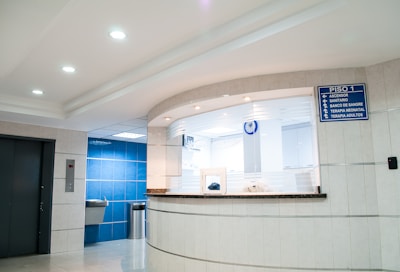 Patient Care
 Consultation Room
 Medical Staff
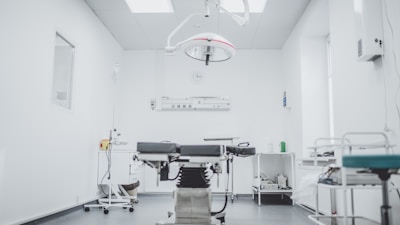
 Recovery Suite
 Treatment Room