Facial Acupuncture

Overview
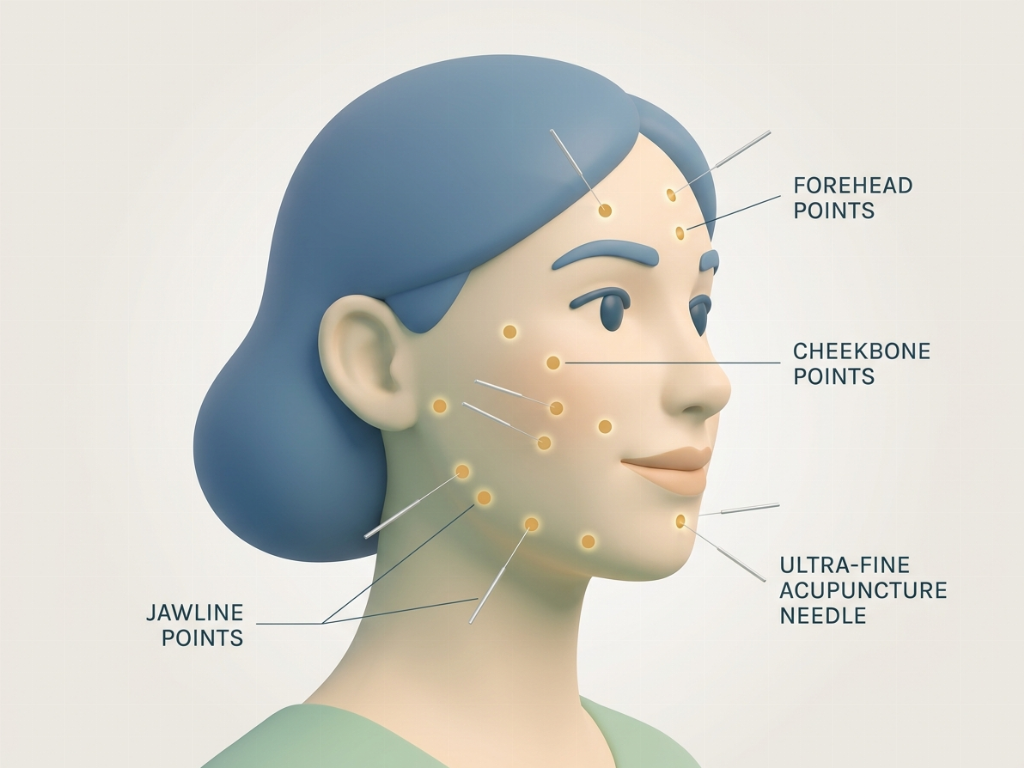
Facial acupuncture, often referred to as a rejuvenation treatment within Korean Traditional Medicine (K-Medicine), involves the precise insertion of hair-thin needles into specific acupoints and muscle layers of the face. Unlike systemic acupuncture, this specialized technique focuses on the facial fascia and dermal layers to improve blood flow and stimulate the body's natural healing response.
The procedure aims to balance the 'Qi' (energy) and improve microcirculation. By creating micro-traumas in the skin, it encourages the production of collagen and elastin, while simultaneously relaxing overactive muscles that contribute to expression lines. It is a holistic alternative for those seeking subtle enhancement without the use of synthetic fillers or neurotoxins.
Expected Results
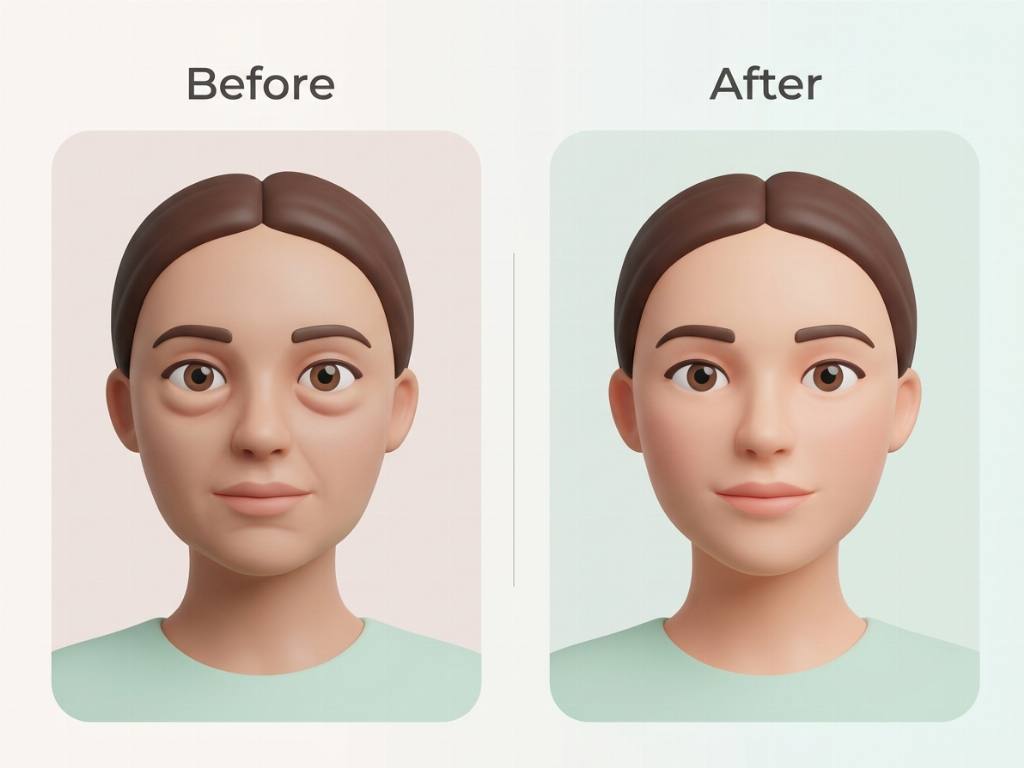
Patients typically observe a more radiant complexion and a subtle 'lifted' appearance as facial tension is released. It is commonly used to help soften fine lines and reduce the appearance of puffiness by promoting lymphatic drainage. While it does not provide the dramatic volume of surgical procedures, it can improve skin texture and tone over a series of sessions.
Results are cumulative and usually become more visible after 5 to 10 treatments. Because it relies on the body's own regenerative processes, the outcome appears very natural, maintaining the patient's unique facial expressions while addressing signs of fatigue and aging.
Why Korea & Cost
South Korea is a global leader in integrating traditional Eastern medicine with modern aesthetic standards. Korean Medicine Doctors (KMDs) undergo rigorous six-year medical programs, ensuring a deep understanding of both facial anatomy and meridian points. Many clinics in Seoul offer specialized 'Jung-an' acupuncture, which is specifically designed for facial contouring and skin elasticity.
The cost of facial acupuncture in Korea depends on the complexity of the treatment, the inclusion of herbal masks or specialized serums, and the seniority of the practitioner. Most clinics provide a personalized quote following a consultation where the number of recommended sessions is determined.
Recovery & Aftercare
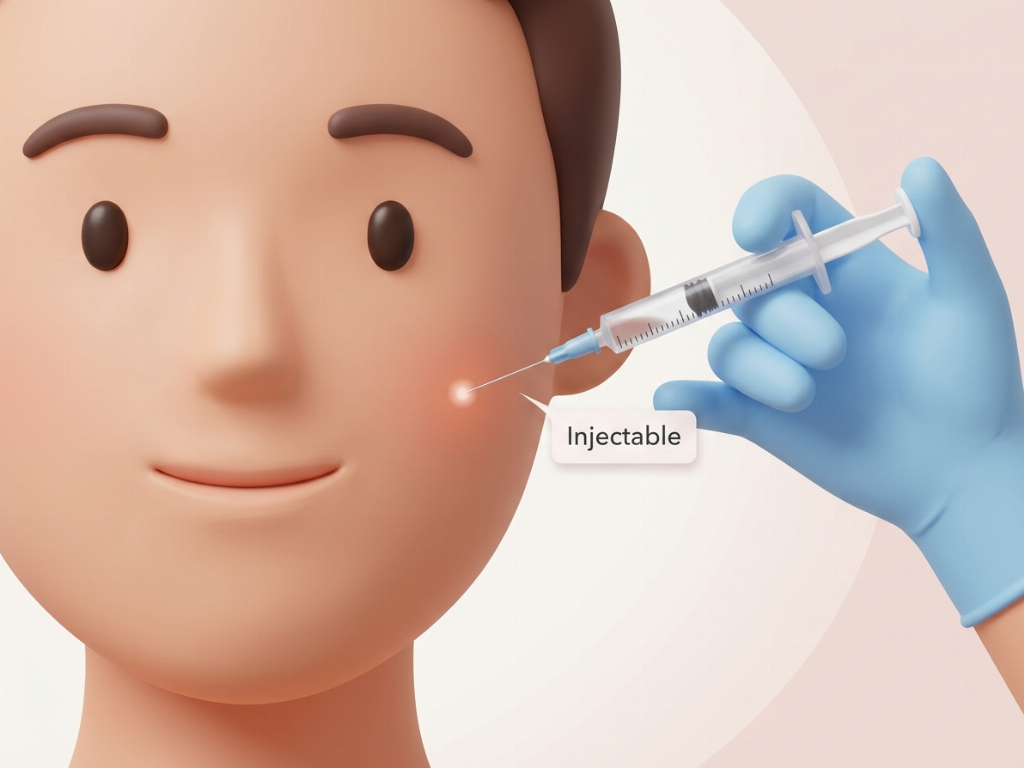
The recovery process is minimal, making it a popular 'lunchtime' procedure. Most patients require no social downtime, though minor redness or tiny pinprick marks may be visible for a few hours. Occasionally, small bruises may occur at the insertion sites, which typically resolve within a week and can be easily covered with concealer.
Aftercare focuses on maintaining hydration and protecting the skin from irritation. Patients are advised to avoid strenuous exercise or saunas for 24 hours to allow the micro-channels to close. Consistent sun protection and a gentle skincare routine will help sustain the glow and health of the skin following the treatment.
Who Is It For?
- Individuals seeking a holistic approach to skin rejuvenation
- Those with mild skin sagging or loss of elasticity
- People looking to reduce facial puffiness and improve circulation
- Patients who prefer treatments without synthetic injectables
- Individuals with dull skin tone or fine expression lines
Benefits
- Promotes natural collagen and elastin production
- Improves facial blood circulation and lymphatic drainage
- Relaxes facial muscle tension to soften expression lines
- Minimal downtime compared to surgical interventions
- Avoids the risk of an overfilled or frozen look
How It's Done
- Deep cleansing of the face to remove oils and makeup
- Detailed consultation to identify target areas and muscle tension
- Insertion of 30 to 100 ultra-fine sterile needles into specific points
- A resting period of 20 to 30 minutes with needles in place
- Gentle removal of needles and application of soothing serum
- Optional cooling mask or light massage to finish
Risks & Side Effects
- Minor localized bruising at needle insertion sites
- Temporary redness or slight swelling
- Small pinprick spots that fade within hours
- Mild tenderness in treated areas
- Rare risk of lightheadedness post-treatment
Recovery
- Most patients return to daily activities immediately
- Redness typically subsides within 1 to 3 hours
- Minor bruising may take 5 to 7 days to fully disappear
- Skin may feel slightly sensitive for the first 24 hours
- Initial 'glow' is often visible within 24 to 48 hours
Aftercare
- Keep the face hydrated with a gentle moisturizer
- Apply broad-spectrum sunscreen daily
- Avoid heavy makeup for at least 6 to 12 hours
- Refrain from intense exercise or saunas for 24 hours
- Drink plenty of water to assist with lymphatic drainage
Precautions
- Wait 2 to 4 weeks if you have recently had Botox or fillers
- Inform the doctor if you are taking blood-thinning medications
- Not recommended for those with active skin infections or severe acne
- Consult a specialist if you have a history of bleeding disorders
- Avoid treatment if you are currently experiencing a migraine
| Duration | 30-90 min |
|---|---|
| Recovery | 5-14 days |
| Anesthesia | No anesthesia |
| Price Range | Consultation required |



 Clinic Introduction
 Medical Facility
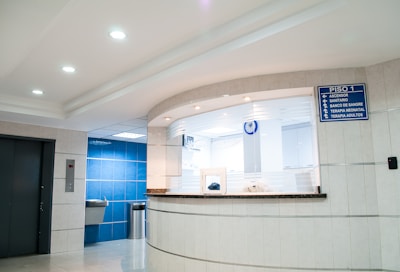 Patient Care
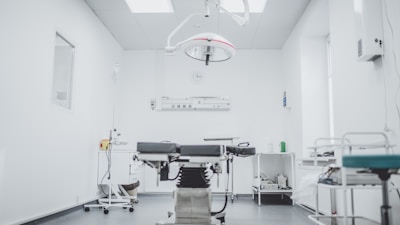 Consultation Room
 Medical Staff
 Recovery Suite
 Treatment Room