Forehead Surgery

Overview
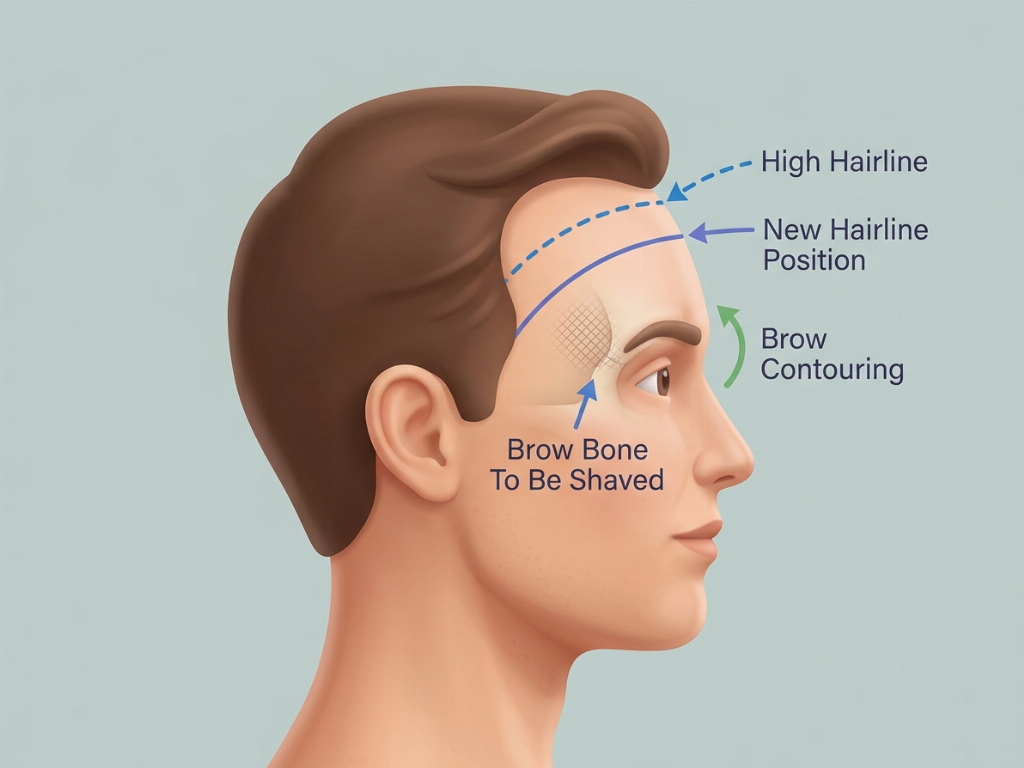
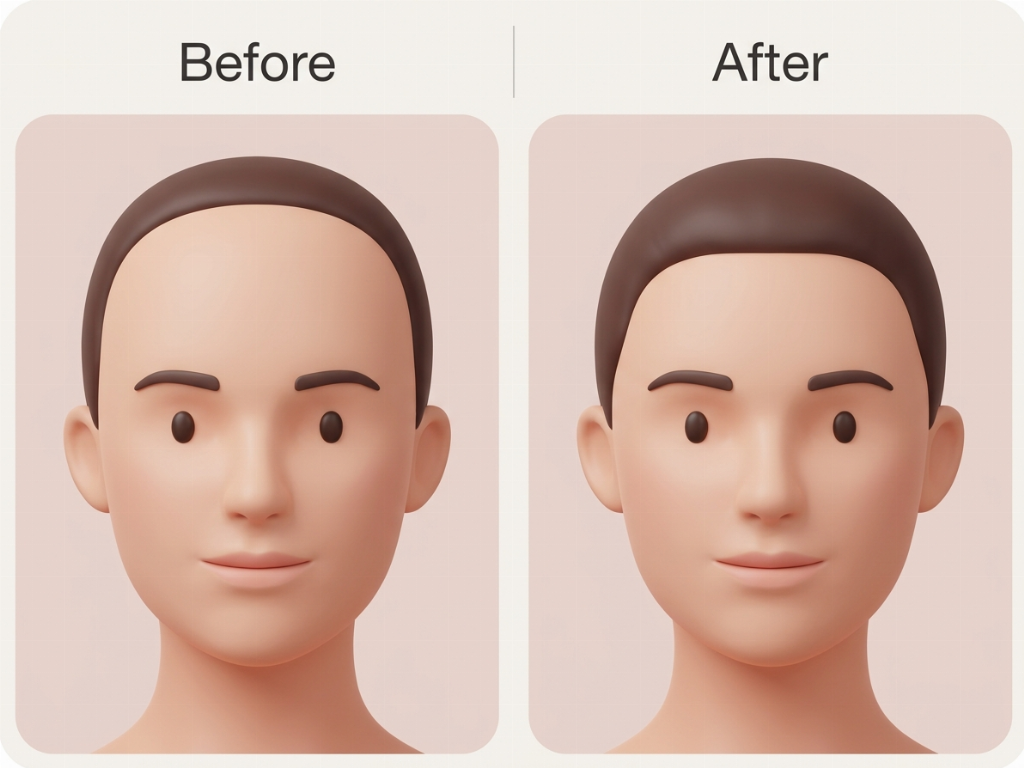
Forehead surgery, often referred to as forehead contouring or forehead reduction, is a specialized surgical procedure designed to harmonize the upper third of the face. Depending on the patient's anatomy, this may involve forehead reduction (lowering a high hairline), bone shaving (reducing a prominent brow ridge), or augmentation (using implants or fat grafting to add volume to a flat or recessed forehead).
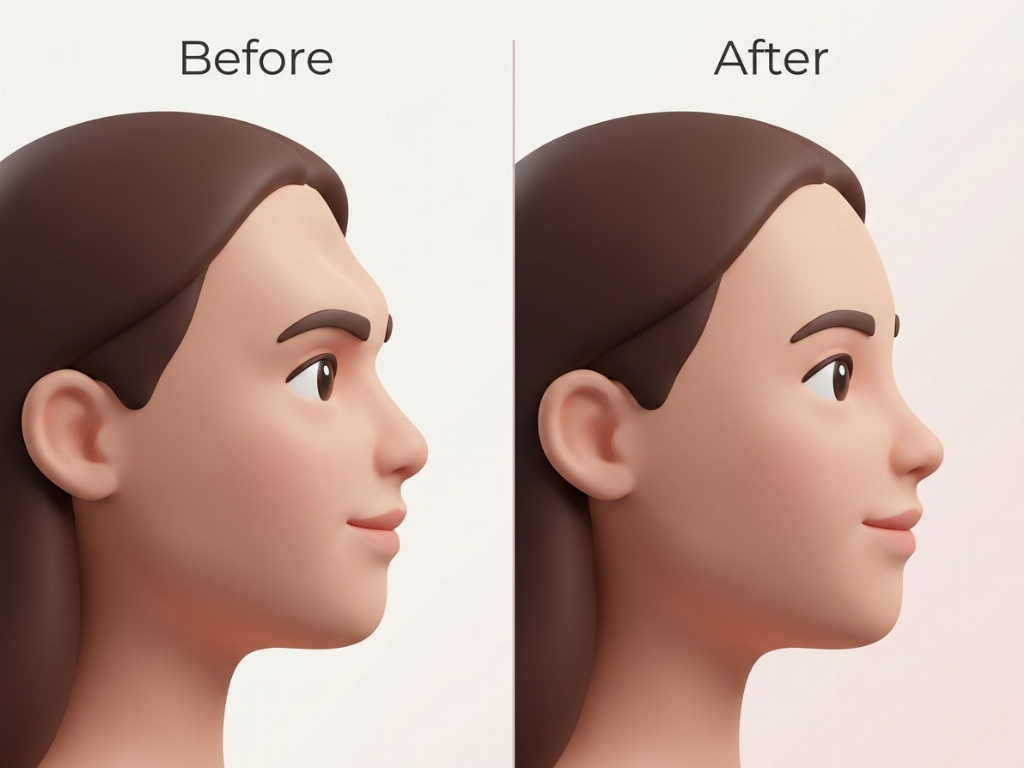
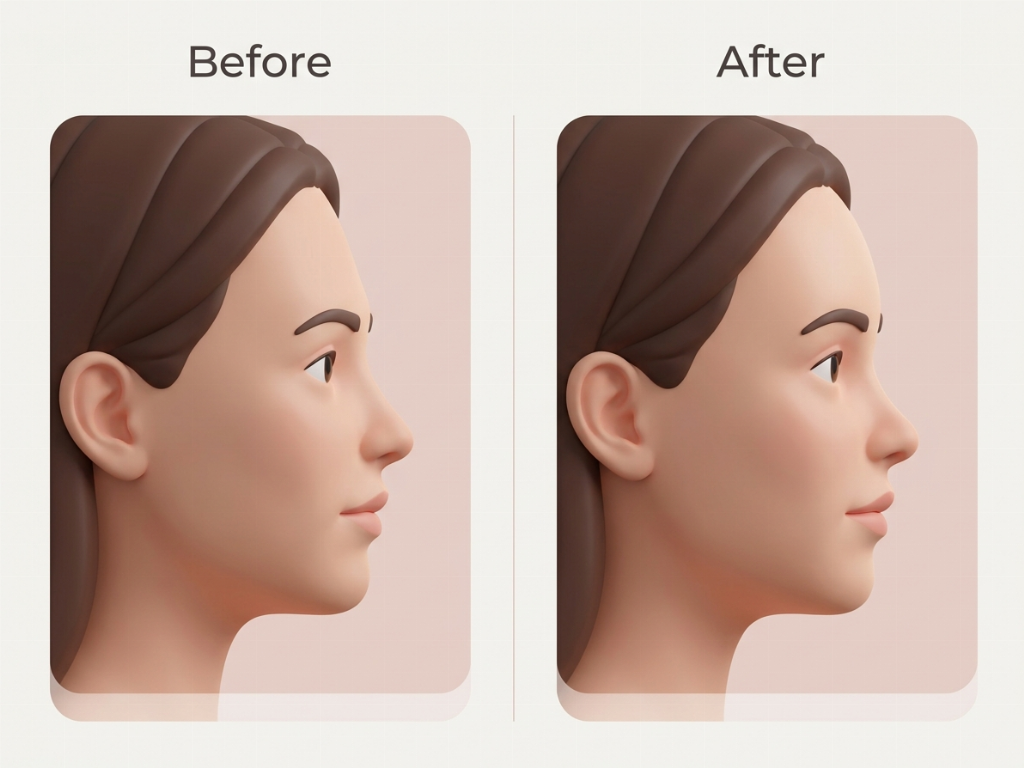
The procedure is highly customized. For those with a protruding brow bone (bossing), surgeons carefully shave or set back the outer layer of the frontal bone. For those seeking a more feminine or youthful curve, biocompatible materials or fat may be used to create a gentle slope. These adjustments significantly impact the overall facial 'vibe,' shifting it from masculine to feminine or from aged to refreshed.
Expected Results
Patients can expect a more proportionate facial structure where the forehead no longer dominates or detracts from other features. In reduction cases, the hairline is physically moved lower, effectively shortening the face. In contouring cases, the profile view is improved by smoothing out bumps or filling in hollows.
While the structural changes are significant, the goal is a natural appearance. Results are generally long-lasting, especially when involving bone work or implants. It is important to note that while the forehead will appear more balanced, final results emerge only after several months once all internal swelling has subsided.
Why Korea & Cost
South Korea is a global leader in facial contouring surgery, largely due to the high volume of cases involving Asian facial bone structures. Korean surgeons are renowned for their precision bone-shaving techniques and their ability to hide incisions within the hairline to minimize visible scarring. Clinics often utilize 3D-CT scanning technology to map out nerves and bone thickness before the first incision is made.
The cost of forehead surgery in Korea varies based on the complexity of the case—such as whether it requires bone contouring, a hairline lift, or an implant. Factors influencing the final quote include the surgeon's expertise, the materials used, and the specific combination of procedures required. A formal consultation with a board-certified specialist is necessary to receive an accurate price plan.
Recovery & Aftercare
Recovery from forehead surgery typically involves a period of significant swelling and potential bruising around the eyes and forehead. Most patients return to light activities within two weeks, but full contact sports and heavy lifting should be avoided for at least a month. A compression bandage is often worn for the first few days to help the skin adhere to the new contours and reduce fluid buildup.
Numbness near the incision site or on the scalp is a common temporary side effect as the nerves heal. Following aftercare instructions, such as keeping the head elevated and attending all follow-up deswelling treatments, is crucial for a smooth recovery and to ensure the incision heals with minimal visibility.
Who Is It For?
- Individuals with a disproportionately high or wide hairline
- Those with a prominent or protruding brow ridge
- Patients with a flat or sunken forehead seeking more volume
- Individuals undergoing facial feminization surgery
- Healthy adults with realistic expectations for facial symmetry
Benefits
- Creates a more balanced and proportionate facial ratio
- Reduces the appearance of a 'heavy' or masculine brow
- Shortens the vertical length of the face in reduction cases
- Smoothes the profile for a more youthful appearance
- Permanent structural improvement to the facial skeleton
How It's Done
- Pre-operative 3D-CT imaging and hairline design
- Administration of general anesthesia
- Incision made along or slightly behind the hairline
- Bone shaving, setback, or placement of augmentation material
- Scalp advancement if performing a hairline reduction
- Closure with fine sutures and application of compression wrap
Risks & Side Effects
- Temporary or permanent numbness of the scalp
- Visible scarring along the hairline
- Asymmetry requiring secondary correction
- Infection or hematoma at the surgical site
- Temporary hair thinning near the incision
Recovery
- Initial swelling and bruising peak within 48 to 72 hours
- Stitches are typically removed 7 to 10 days post-surgery
- Most patients return to work or social life after 14 days
- Residual minor swelling may persist for 3 to 6 months
- Numbness usually resolves gradually over several months
Aftercare
- Keep the head elevated even while sleeping for the first week
- Apply cold compresses to the eye area to manage bruising
- Avoid wearing hats or headbands until cleared by the surgeon
- Gently wash hair according to the clinic's specific timeline
- Attend all scheduled laser deswelling or follow-up sessions
Precautions
- Avoid smoking and alcohol for at least 4 weeks to aid healing
- Do not take blood-thinning medications unless approved by the surgeon
- Refrain from vigorous exercise that increases blood pressure
- Protect the incision site from direct sunlight for several months
- Report any sudden sharp pain or excessive redness immediately
| Duration | 90-240 min |
|---|---|
| Recovery | 14-28 days |
| Anesthesia | General anesthesia |
| Price Range | approx. $2,960 – $7,410 (based on ₩4,000,000–₩10,000,000) |








 Clinic Introduction
 Medical Facility
 Patient Care
 Consultation Room
 Medical Staff
 Recovery Suite
 Treatment Room