Glaucoma Treatment
Overview
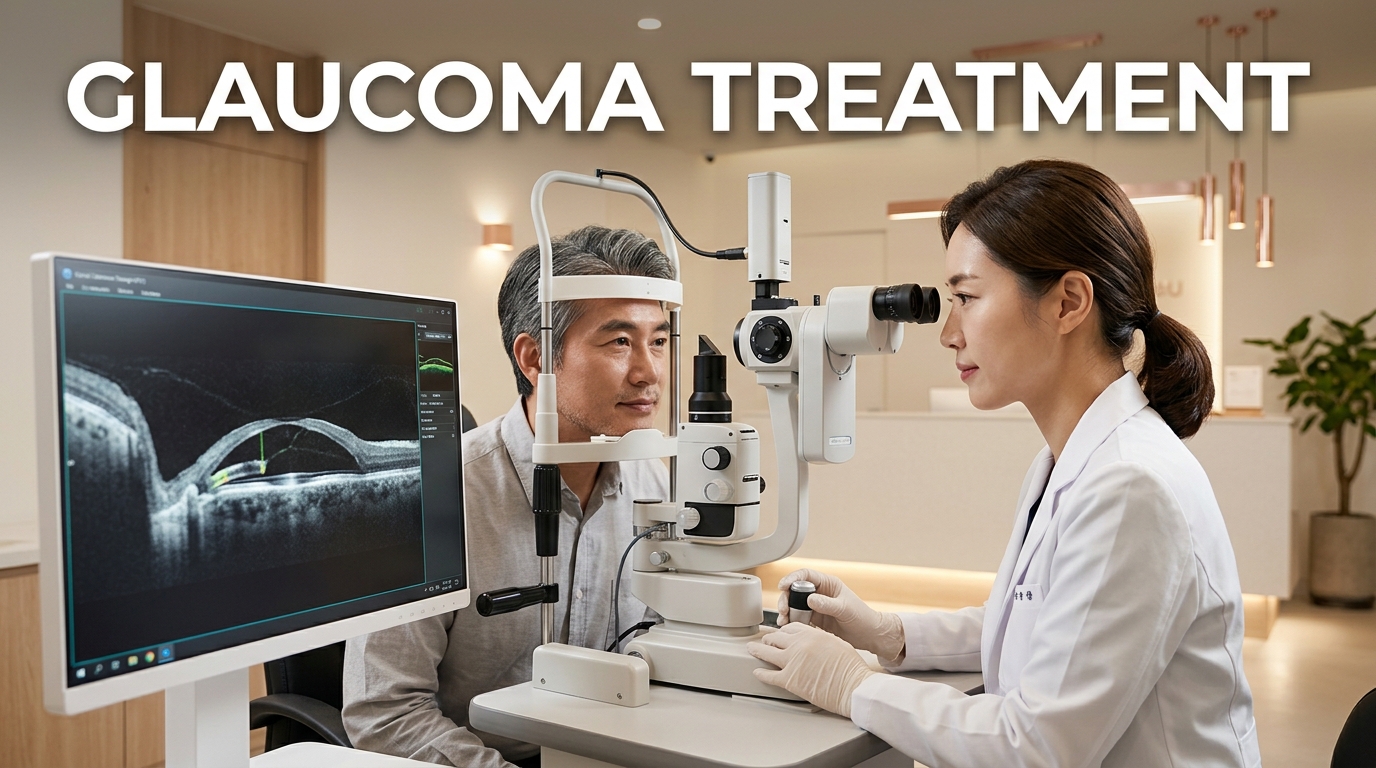
Glaucoma is a group of eye conditions that damage the optic nerve, often due to abnormally high pressure within the eye. Because this damage is irreversible, treatment focuses on managing intraocular pressure (IOP) to prevent further vision loss. While many patients begin with medicated eye drops, surgical or laser interventions become necessary when medication alone is insufficient.
Common procedures include Laser Trabeculoplasty, which improves fluid drainage; Trabeculectomy, where a surgeon creates a new drainage pathway (a 'bleb') under the eyelid; and Glaucoma Drainage Devices (shunts or valves). Modern techniques also include Minimally Invasive Glaucoma Surgery (MIGS), which uses microscopic equipment to enhance natural drainage with shorter recovery times.
Expected Results
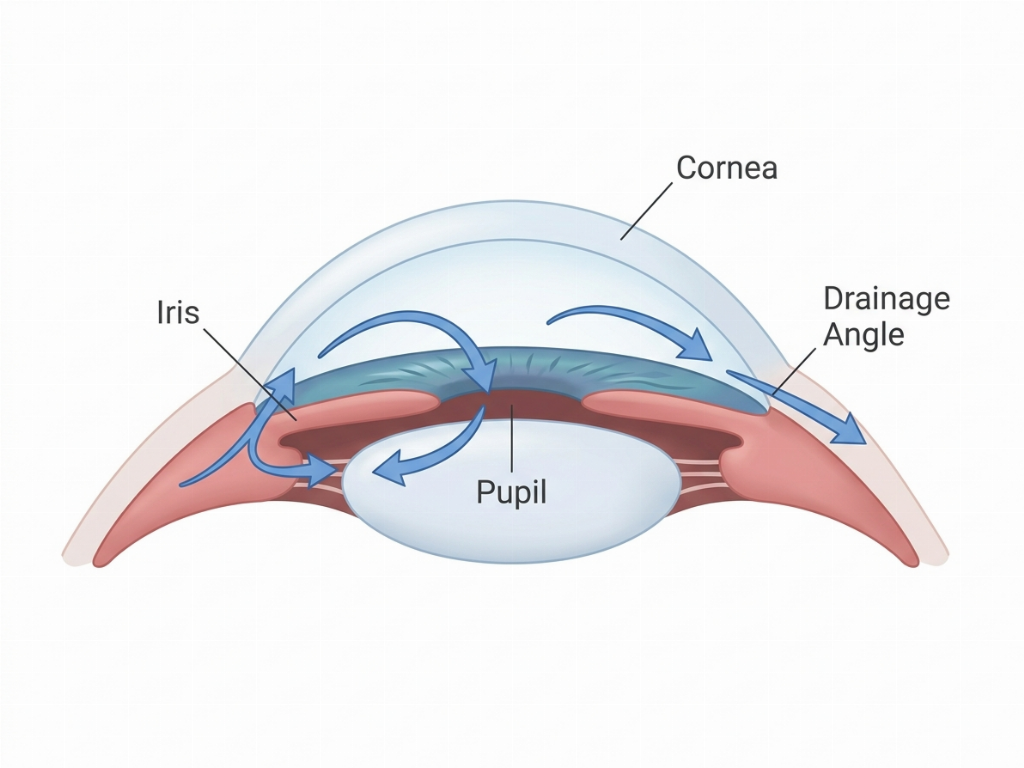
The primary goal of glaucoma surgery is the stabilization of intraocular pressure within a target range determined by your ophthalmologist. It is important to understand that these procedures are designed to preserve existing vision, not to restore sight already lost to the disease. Success is measured by the consistent maintenance of safe pressure levels over time.
Most patients experience a significant reduction in eye pressure, which may reduce or eliminate the need for daily medicated eye drops. However, glaucoma is a chronic condition that requires lifelong monitoring, and some patients may require supplemental treatments or secondary procedures in the future to maintain results.
Why Korea & Cost
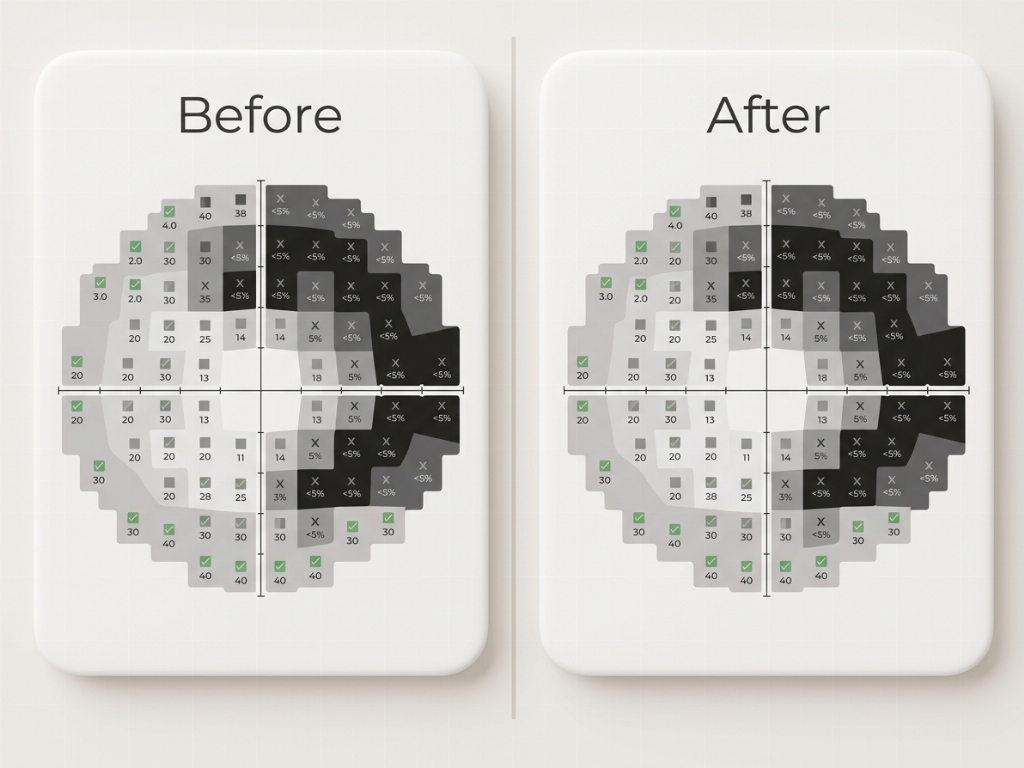
South Korea offers advanced ophthalmological care, utilizing the latest diagnostic imaging and surgical platforms. Korean eye clinics are known for their high volume of complex cases, providing surgeons with extensive experience in both traditional filtration surgeries and the newest MIGS technologies. Many facilities offer integrated care where glaucoma specialists work alongside retina and cornea experts.
The cost of glaucoma treatment in South Korea depends on the specific surgical technique used, the type of implants or shunts required, and the complexity of the patient's condition. A comprehensive consultation, including OCT scans and visual field testing, is necessary to provide an accurate quote and determine the most appropriate surgical approach.
Recovery & Aftercare
Recovery varies significantly depending on whether a laser or incisional surgery was performed. Laser treatments typically allow for a return to normal activities within a day or two. In contrast, traditional surgeries like trabeculectomy require a more cautious approach, with several weeks of restricted activity to ensure the new drainage site heals correctly without scarring shut.
Post-operative care is critical to the success of the surgery. Patients must strictly adhere to a schedule of antibiotic and anti-inflammatory eye drops to prevent infection and control the healing process. Frequent follow-up appointments are mandatory during the first month to monitor pressure levels and ensure the surgical site is functioning as intended.
Who Is It For?
- Individuals with intraocular pressure not controlled by medication
- Patients experiencing progressive visual field loss despite treatment
- Those who suffer from severe side effects from glaucoma eye drops
- Patients with narrow-angle or angle-closure glaucoma
- Individuals seeking to reduce their dependence on daily eye medications
Benefits
- Aims to prevent further irreversible optic nerve damage
- Significant reduction in intraocular pressure
- May reduce or eliminate the need for daily eye drops
- Stabilization of the visual field to preserve remaining sight
- Access to minimally invasive options with faster recovery
How It's Done
- Administration of local anesthesia or sedation for patient comfort
- Creation of a microscopic incision or application of laser energy
- Formation of a new drainage channel or insertion of a shunt device
- Verification of fluid flow and intraocular pressure stabilization
- Application of protective shields and medicated ointments
Risks & Side Effects
- Hypotony (abnormally low eye pressure)
- Failure of the surgical drainage site (scarring)
- Bleb-related complications or infections
- Increased risk of future cataract development
- Temporary or permanent blurred vision
Recovery
- Initial recovery typically spans 5 to 14 days
- Vision may be blurry for several days following incisional surgery
- Avoid heavy lifting or strenuous exercise for at least 2 weeks
- Keep the eye protected from water and dust during the first week
- Most patients return to office work within 7 to 10 days
Aftercare
- Strict adherence to prescribed antibiotic and steroid eye drop schedules
- Wear a protective eye shield while sleeping as directed
- Attend all scheduled follow-up pressure checks and exams
- Avoid rubbing or applying any pressure to the treated eye
- Report any sudden pain or sharp decrease in vision immediately
Precautions
- Inform the surgeon of all current blood-thinning medications
- Avoid swimming or using hot tubs until cleared by the doctor
- Do not wear contact lenses until the surgical site has fully healed
- Limit screen time if eye strain or dryness occurs during early recovery
- Maintain regular long-term checkups with a glaucoma specialist
| Duration | 30-90 min |
|---|---|
| Recovery | 5-14 days |
| Anesthesia | Local anesthesia |
| Price Range | Consultation required |





 Clinic Introduction
 Medical Facility
 Patient Care
 Consultation Room
 Medical Staff
 Recovery Suite
 Treatment Room