Gynecomastia Surgery
Overview
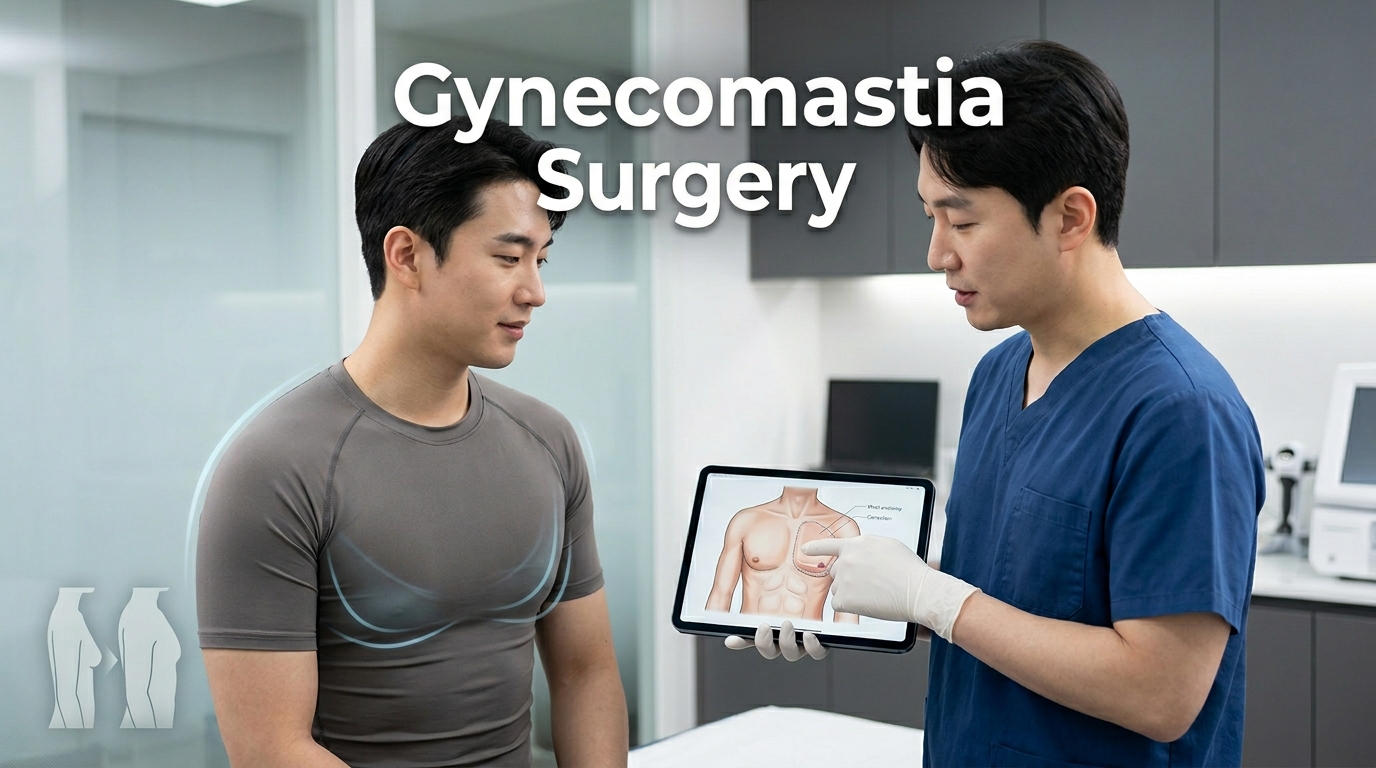
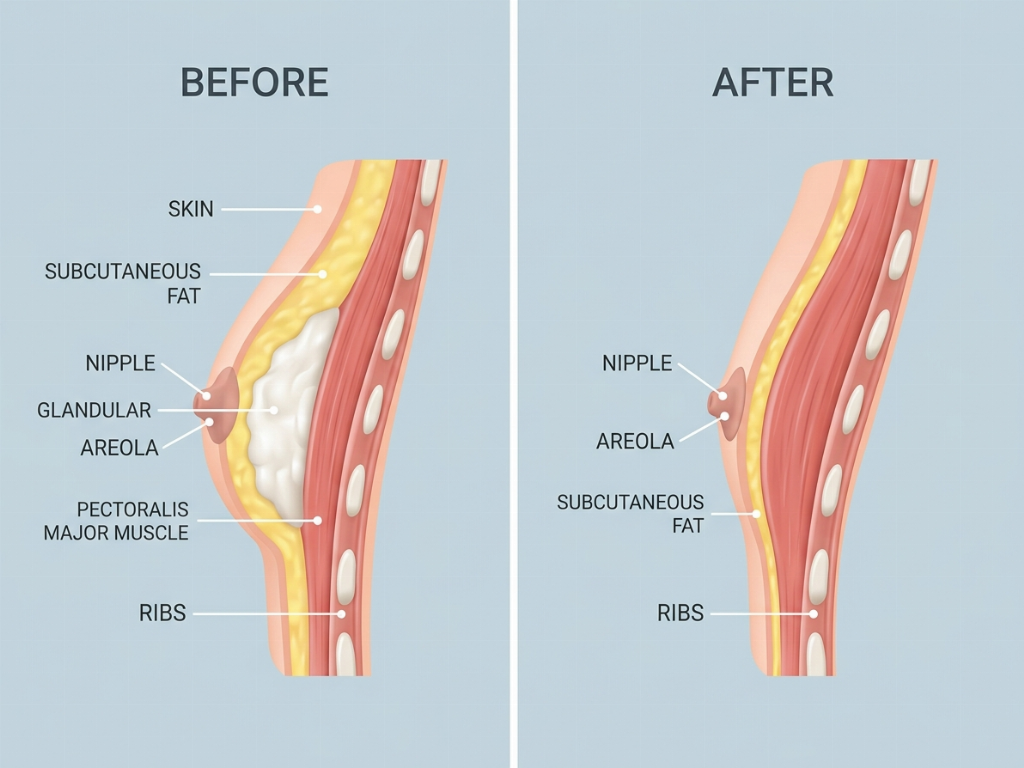
Gynecomastia surgery, often referred to as male breast reduction, is a surgical intervention designed to correct overdeveloped or enlarged breasts in men. This condition can be caused by hormonal imbalances, heredity, obesity, or the use of certain medications. Unlike fat accumulation that can be addressed through diet alone, true gynecomastia involves the growth of glandular breast tissue, which requires surgical removal.
The procedure is highly customized based on the patient's specific anatomy. It typically involves a combination of liposuction to remove excess fatty tissue and surgical excision to remove dense glandular tissue. In cases where there is significant skin laxity, the surgeon may also reposition the nipple-areola complex or trim excess skin to ensure a smooth, firm result.
Expected Results
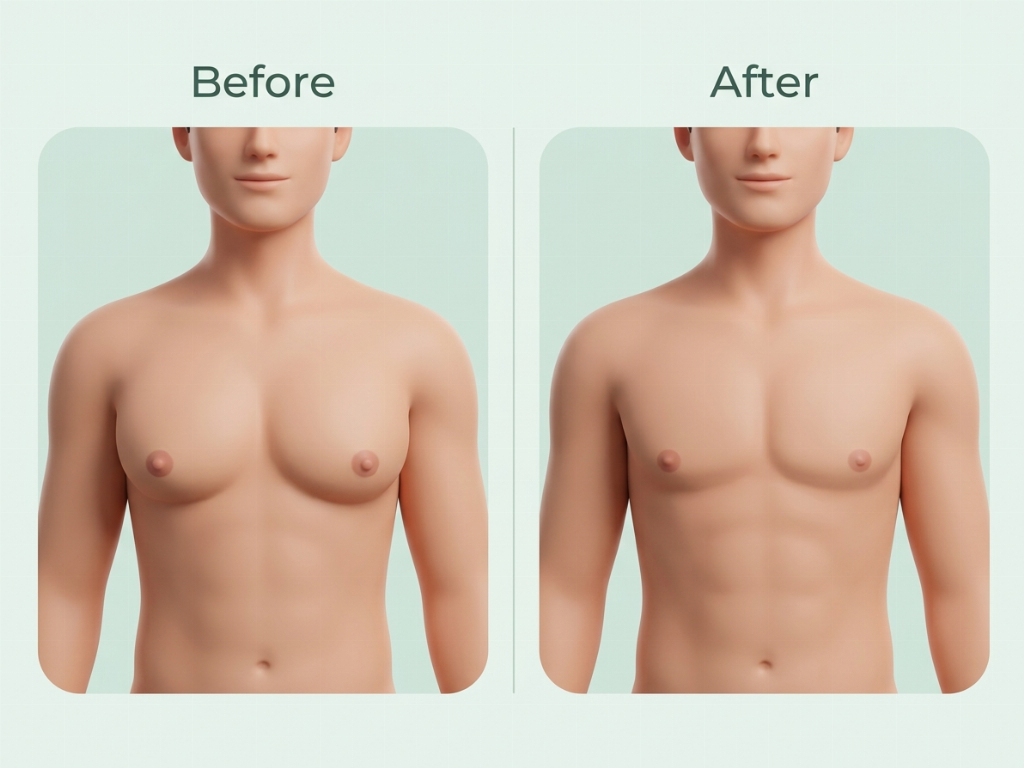
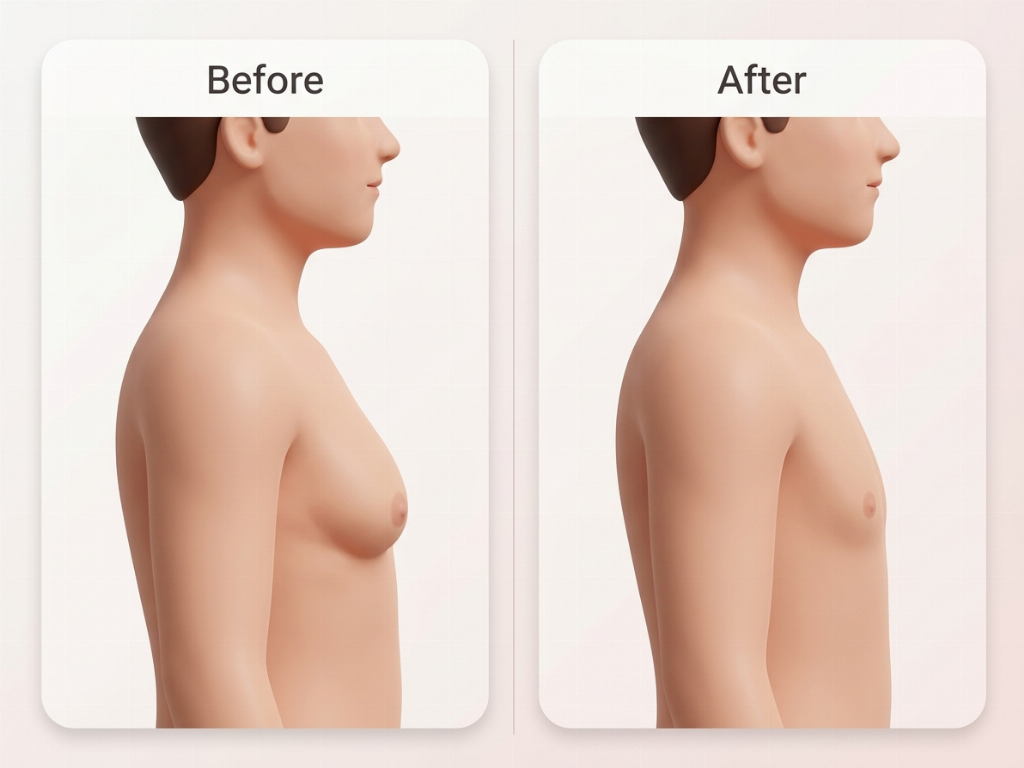
The primary goal of the surgery is to restore a flatter, firmer, and more traditionally masculine chest contour. Patients can expect a significant reduction in breast volume and an improvement in the definition of the pectoral muscles. While some swelling is immediate, the refined shape of the chest becomes increasingly visible as the body heals.
Results are generally long-lasting, provided the patient maintains a stable weight and avoids certain substances that might trigger glandular regrowth. While scars are inevitable with any surgical incision, they are typically placed discreetly along the edge of the areola or within natural skin folds to make them as inconspicuous as possible over time.
Why Korea & Cost
South Korea is a global leader in body contouring, with surgeons who possess extensive experience in treating gynecomastia for both local and international patients. Korean clinics often utilize advanced technologies, such as ultrasound-assisted liposuction (VASER), which allows for more precise fat removal and better skin retraction compared to traditional methods.
The cost of gynecomastia surgery in Korea is determined by several factors, including the grade of gynecomastia (severity), whether glandular excision is required alongside liposuction, and the type of anesthesia used. A comprehensive consultation, often including an ultrasound to measure tissue density, is necessary to provide an accurate quote and a tailored surgical plan.
Recovery & Aftercare
Recovery from gynecomastia surgery is a gradual process. Most patients can return to sedentary work within a few days, but a compression garment must be worn consistently for several weeks. This garment is crucial for minimizing swelling, supporting the new chest contours, and helping the skin adhere smoothly to the underlying muscle.
During the first two to three weeks, patients should avoid heavy lifting and strenuous upper-body exercises. It is normal to experience some numbness or sensitivity in the chest area, which typically resolves within a few months. Following the surgeon's specific aftercare instructions regarding wound care and activity levels is essential for achieving the best aesthetic outcome.
Who Is It For?
- Men with stabilized enlarged breast tissue that does not respond to diet or exercise
- Individuals with realistic expectations about surgical scarring and contour changes
- Non-smokers in good general health to ensure proper wound healing
- Men who feel self-conscious or experience physical discomfort due to chest volume
- Those whose condition is not caused by treatable underlying medical issues
Benefits
- Creates a flatter and firmer masculine chest profile
- Removes permanent glandular tissue that exercise cannot target
- Improves self-confidence and comfort in fitted clothing or when shirtless
- Enhances the visibility of underlying pectoral muscle definition
- Provides long-term results with a stable lifestyle
How It's Done
- Administration of sedation or general anesthesia for patient comfort
- Small incisions are made, typically around the edge of the areola or in the armpit
- Liposuction is used to break down and remove excess fatty tissue
- Direct surgical excision is performed to remove dense glandular tissue
- Excess skin is trimmed if necessary to ensure a tight contour
- Incisions are closed with fine sutures and a compression vest is applied
Risks & Side Effects
- Temporary bruising, swelling, and localized numbness
- Asymmetry between the left and right sides of the chest
- Incision scarring or changes in nipple sensation
- Fluid accumulation (seroma) or blood collection (hematoma)
- Potential for contour irregularities or skin laxity
Recovery
- Wear a medical compression vest 24/7 for the first 3 to 4 weeks
- Most patients return to office work within 3 to 7 days
- Avoid heavy lifting and vigorous chest exercises for at least 4 to 6 weeks
- Initial swelling and bruising typically subside significantly within 2 weeks
- Full results and final chest contour are visible after 3 to 6 months
Aftercare
- Keep the incision sites clean and dry according to clinic instructions
- Attend all scheduled follow-up appointments for suture removal and progress checks
- Manage discomfort with prescribed pain medication and anti-inflammatories
- Avoid direct sun exposure on scars for several months to prevent darkening
- Maintain a stable weight to preserve the surgical results
Precautions
- Discontinue blood-thinning medications and supplements two weeks before surgery
- Stop smoking at least four weeks prior to surgery to prevent healing complications
- Ensure an ultrasound is performed to confirm the presence of glandular tissue
- Avoid alcohol consumption during the initial recovery phase
- Report any sudden, one-sided swelling or extreme pain to your surgeon immediately
| Duration | 30-180 min |
|---|---|
| Recovery | 0-21 days |
| Anesthesia | Sedation |
| Price Range | Consultation required |




 Clinic Introduction
 Medical Facility
 Patient Care
 Consultation Room
 Medical Staff
 Recovery Suite
 Treatment Room