Hair Loss Treatment
Overview
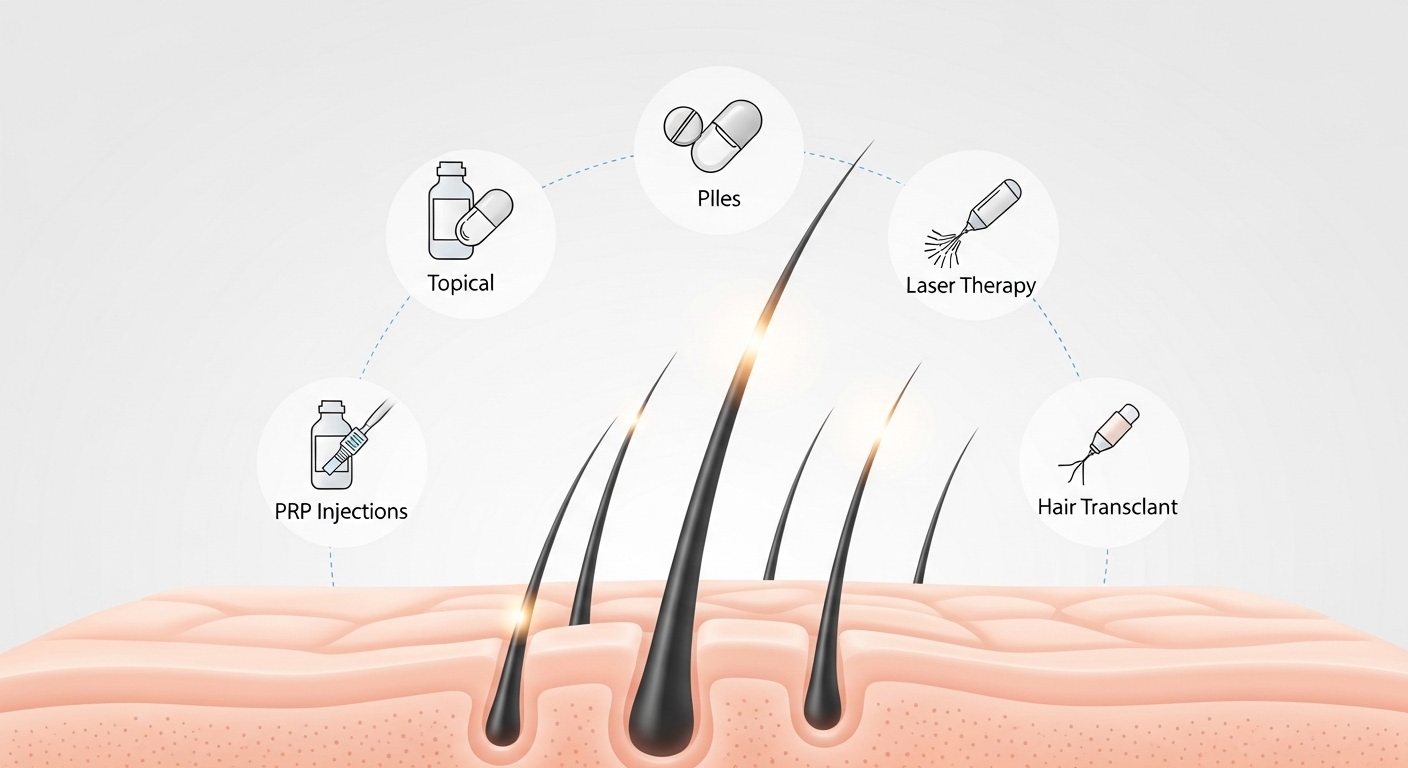
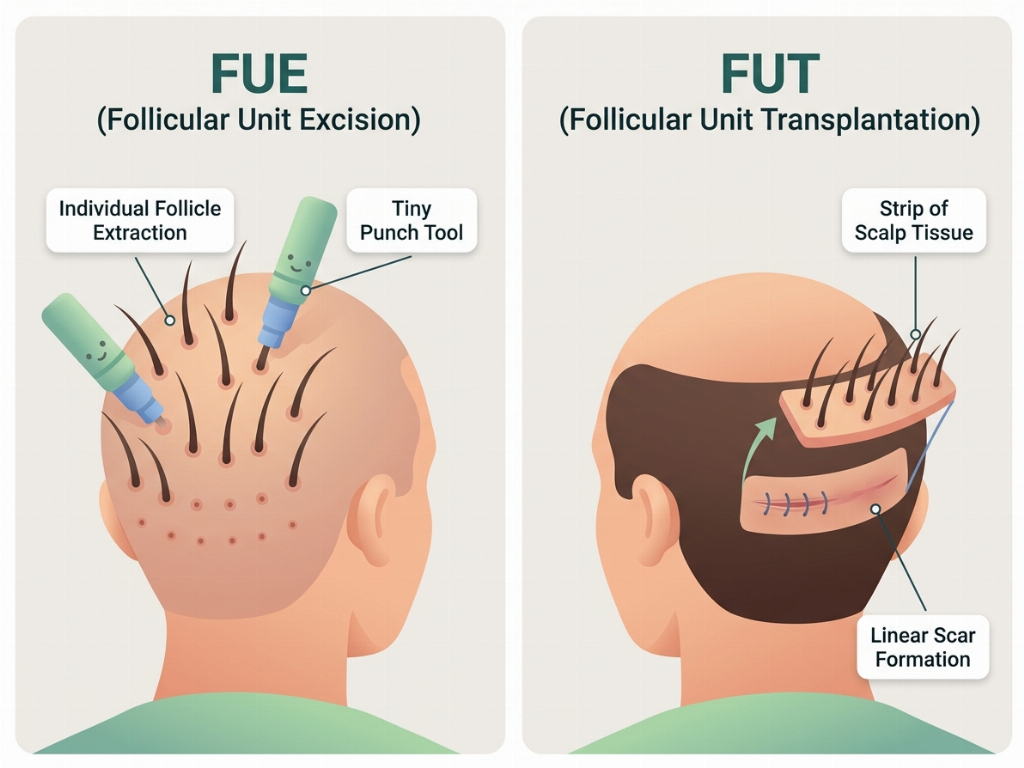
Hair loss treatment refers to a range of medical and surgical interventions aimed at addressing thinning hair and androgenetic alopecia. The most common surgical approach is Hair Transplantation, which involves moving healthy hair follicles from a donor area (typically the back of the head) to thinning or balding regions. This is primarily performed using two techniques: FUE (Follicular Unit Extraction), where individual follicles are harvested, or FUT (Follicular Unit Transplantation), where a strip of tissue is removed.
Beyond surgery, many patients opt for non-surgical therapies such as Exosome therapy, Platelet-Rich Plasma (PRP), or specialized scalp mesotherapy. These treatments focus on stimulating existing follicles, improving scalp health, and slowing the progression of thinning. A consultation with a specialist is essential to determine whether surgical restoration or regenerative therapy is the most appropriate path for your specific hair loss pattern.
Expected Results
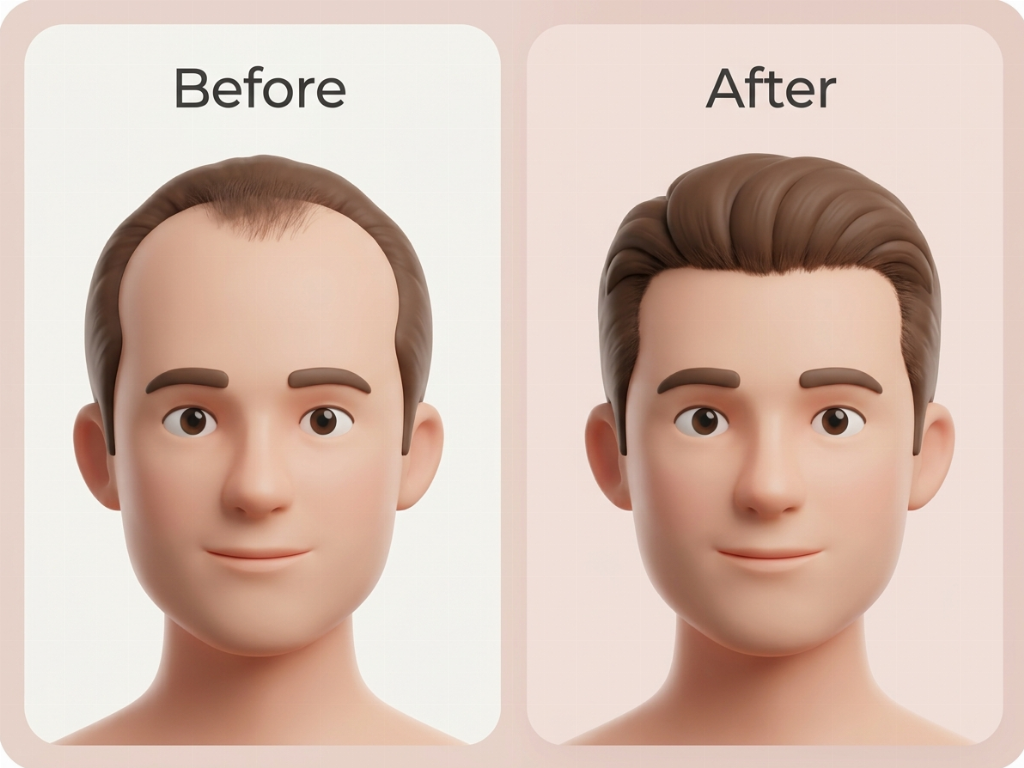
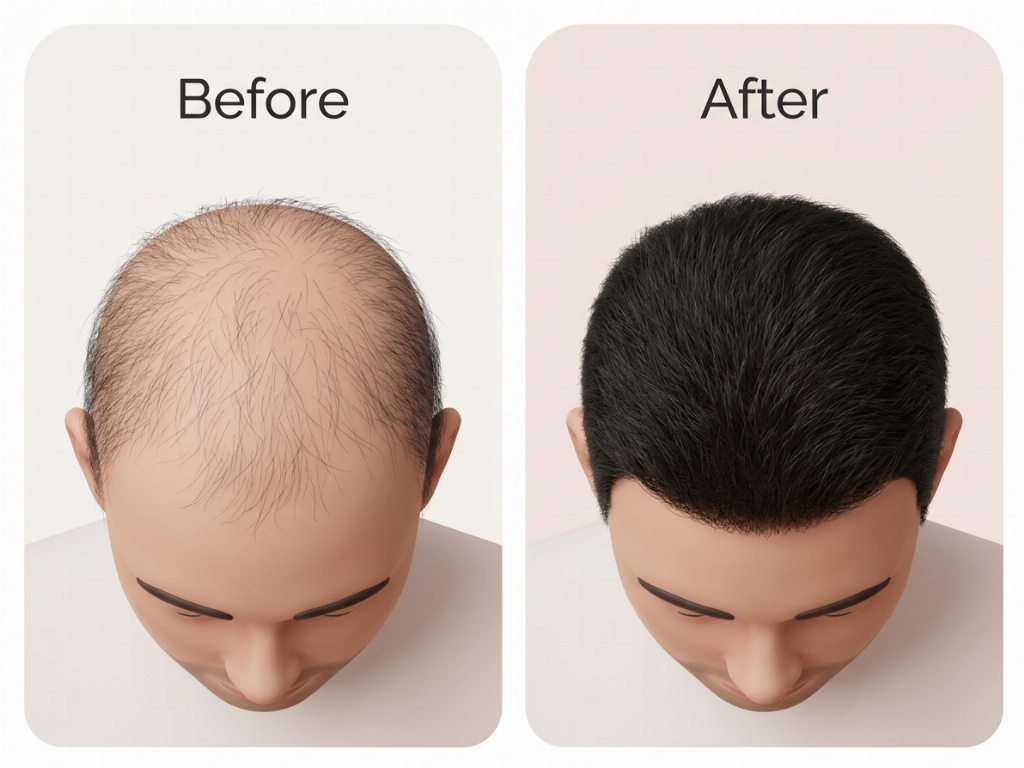
The goal of hair restoration is to achieve a fuller, more youthful appearance with a hairline that complements the patient's facial proportions. Following a transplant, the newly placed hairs will typically shed within the first few weeks—a normal process known as 'shock loss.' This is followed by a dormant phase before long-term growth begins to emerge from the transplanted follicles.
Visible improvement in density usually becomes apparent between six to nine months, with the final outcome visible after one year. While the transplanted hair is generally resistant to the hormones that cause balding, it is important to note that hair loss may continue in untreated areas, requiring ongoing maintenance or medical management to preserve the overall aesthetic result.
Why Korea & Cost
South Korea is a popular destination for hair restoration due to its high concentration of specialized clinics and the use of advanced robotic and manual extraction technologies. Korean surgeons are well-regarded for their expertise in Asian hair characteristics, which often involve thicker hair shafts and different follicle angles, requiring precise graft placement to achieve a natural-looking result.
The cost of hair loss treatment in Korea is determined by several factors, including the total number of grafts required, the specific technique used (FUE vs. FUT), and whether the procedure is non-shaven or partially shaven. Because every scalp is unique, an exact quote is provided only after a detailed scalp analysis and graft count estimation during a clinical consultation.
Recovery & Aftercare
The initial recovery period for a hair transplant involves managing the donor and recipient sites to ensure optimal graft survival. Patients may experience mild swelling around the forehead and eyes, as well as small scabs at the graft sites. These scabs typically fall off naturally within 10 to 14 days. It is vital to avoid touching or scratching the newly implanted follicles during this window.
Post-operative care often includes specialized hair washing at the clinic to prevent infection and promote healing. Patients are advised to avoid strenuous exercise, direct sun exposure, and wearing tight hats for several weeks. Following the surgeon's specific aftercare protocol is the most critical factor in ensuring the highest possible graft 'take' rate.
Who Is It For?
- Individuals with stable donor hair density at the back or sides of the head
- Men and women experiencing androgenetic alopecia or thinning
- Patients with realistic expectations regarding hair density and coverage
- Those looking to lower or reshape a receding hairline
- Individuals in good general health without active scalp infections
Benefits
- Durable restoration of hair in thinning or balding areas
- Improved facial symmetry through hairline redesign
- Natural-looking hair growth patterns and angles
- Boosted self-confidence and a more youthful appearance
- Minimally invasive options with relatively short downtime
How It's Done
- Detailed scalp analysis and hairline design consultation
- Administration of local anesthesia to donor and recipient areas
- Extraction of healthy hair follicles using FUE or FUT methods
- Microscopic graft preparation and sorting by hair count
- Creation of tiny recipient sites at the correct angle and depth
- Precise implantation of follicles into the thinning areas
Risks & Side Effects
- Folliculitis or minor infection at the graft sites
- Temporary numbness or altered sensation in the scalp
- Linear scarring (FUT) or pinpoint scarring (FUE)
- Shock loss (temporary shedding of existing hair)
- Uneven hair growth or poor graft survival rate
Recovery
- Swelling and redness typically subside within 3 to 5 days
- Small scabs at the graft sites shed naturally by day 14
- Most patients return to office work within 3 to 7 days
- Initial 'shock loss' occurs between weeks 2 and 8
- New hair growth begins to appear around month 3 or 4
Aftercare
- Use only the prescribed saline spray or gentle shampoo
- Sleep with the head elevated for the first few nights
- Avoid picking or scratching scabs in the recipient area
- Refrain from smoking and alcohol for at least two weeks
- Protect the scalp from direct sunlight with a loose hat or umbrella
Precautions
- Discontinue blood-thinning medications as advised by the surgeon
- Avoid strenuous exercise or heavy lifting for 2 to 3 weeks
- Do not use chemical hair dyes or perms for at least one month
- Ensure the donor area is not under excessive tension
- Attend all scheduled follow-up appointments for scalp cleaning
| Duration | 120-480 min |
|---|---|
| Recovery | 7-14 days |
| Anesthesia | Local anesthesia |
| Price Range | Consultation required |




 Clinic Introduction
 Medical Facility
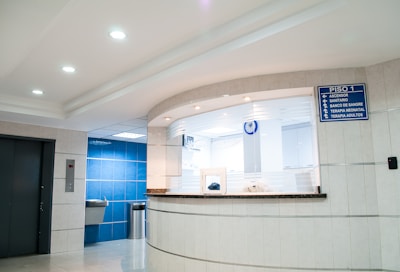 Patient Care
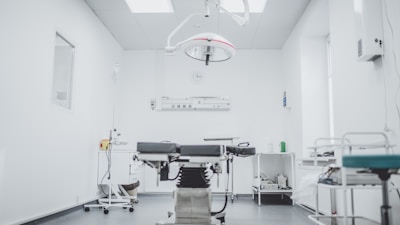 Consultation Room
 Medical Staff
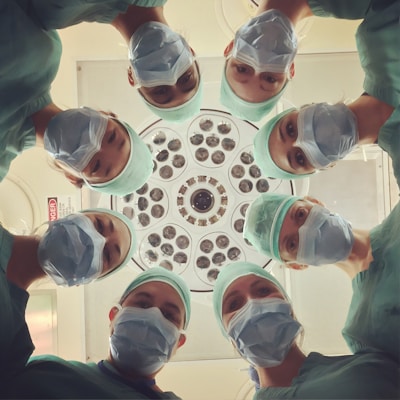 Recovery Suite
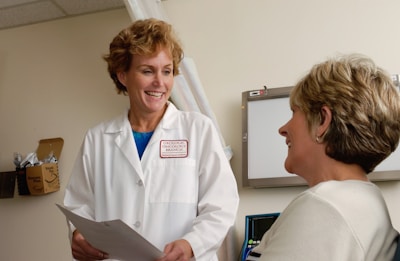 Treatment Room