Hairline Correction
Overview
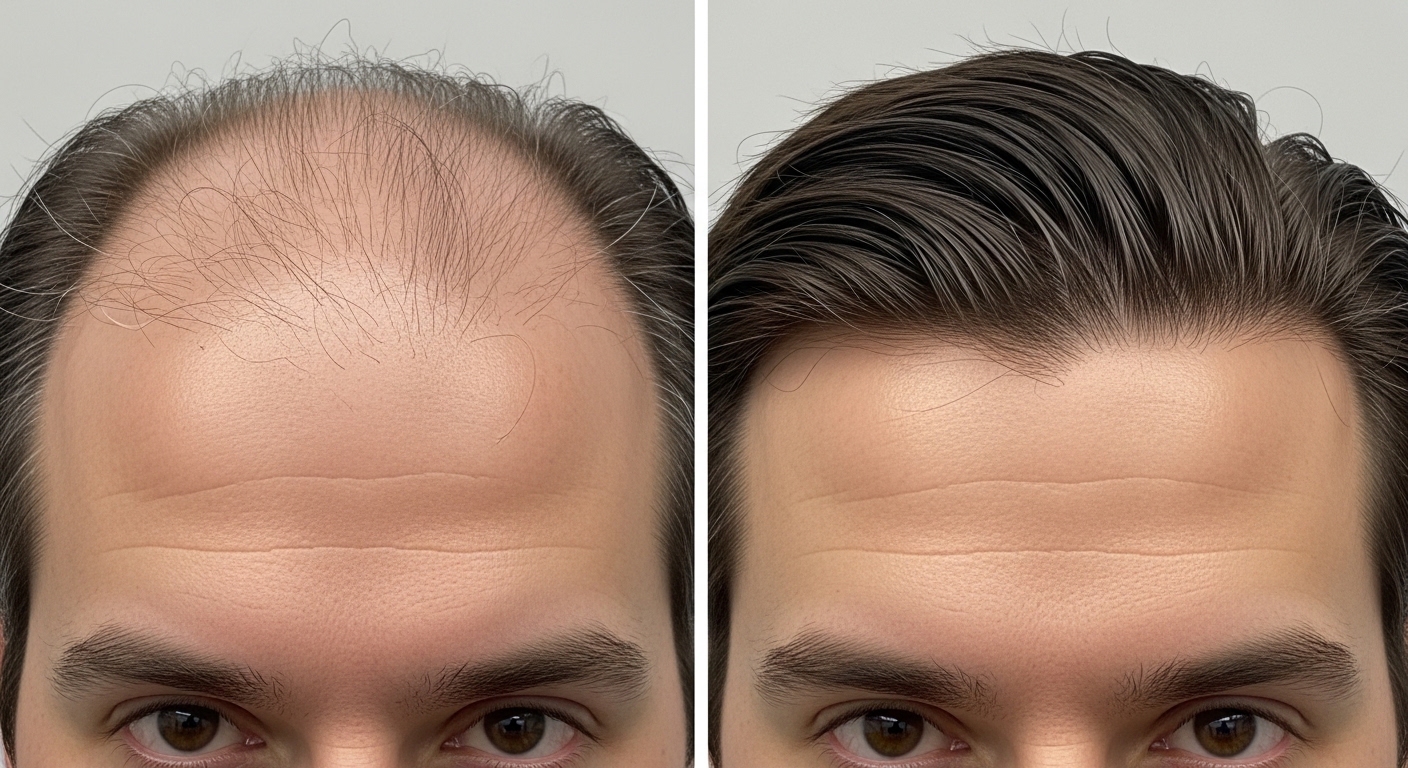
Hairline correction is a refined form of hair transplantation specifically designed to address aesthetic concerns regarding the forehead's shape and height. Unlike general hair restoration for balding, this procedure focuses on the artistic design of the frontal hairline to create a more harmonious facial proportion. It is particularly popular among those with a naturally high forehead, an M-shaped hairline, or uneven hair distribution.
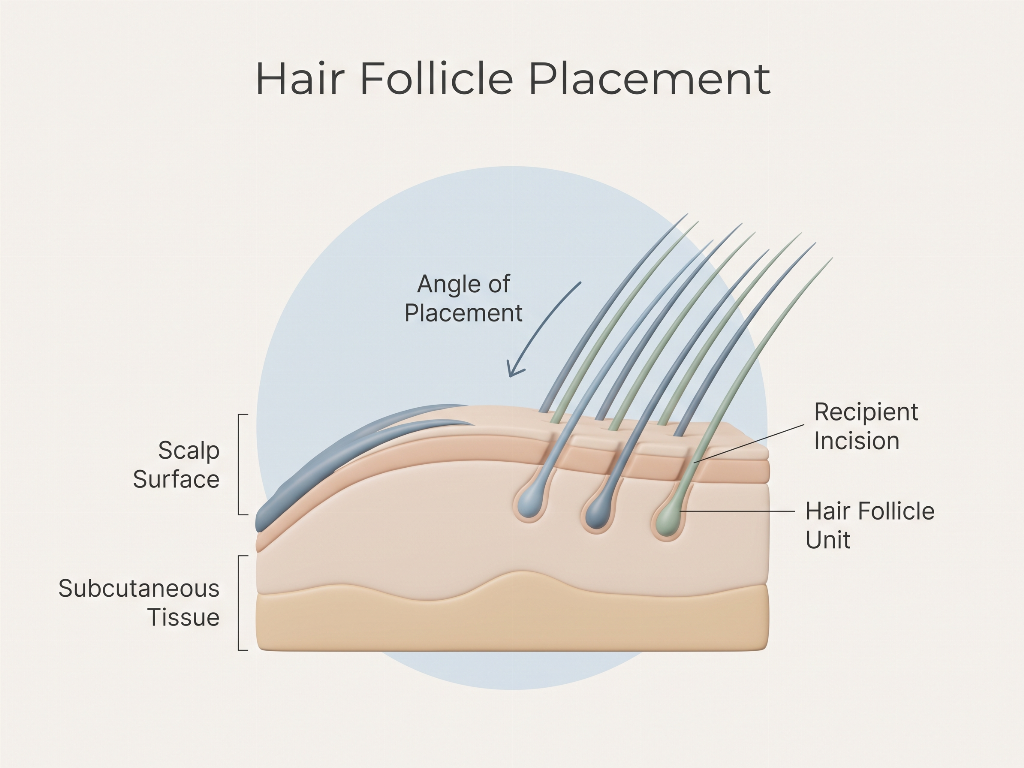
The procedure typically utilizes either the FUE (Follicular Unit Extraction) or FUT (Follicular Unit Transplantation) method. In FUE, individual follicles are harvested from the back of the scalp (the donor area) and meticulously implanted into the new hairline. Surgeons pay close attention to the angle, direction, and density of each hair to ensure the transition from the forehead to the scalp looks soft and indistinguishable from native hair.
Expected Results
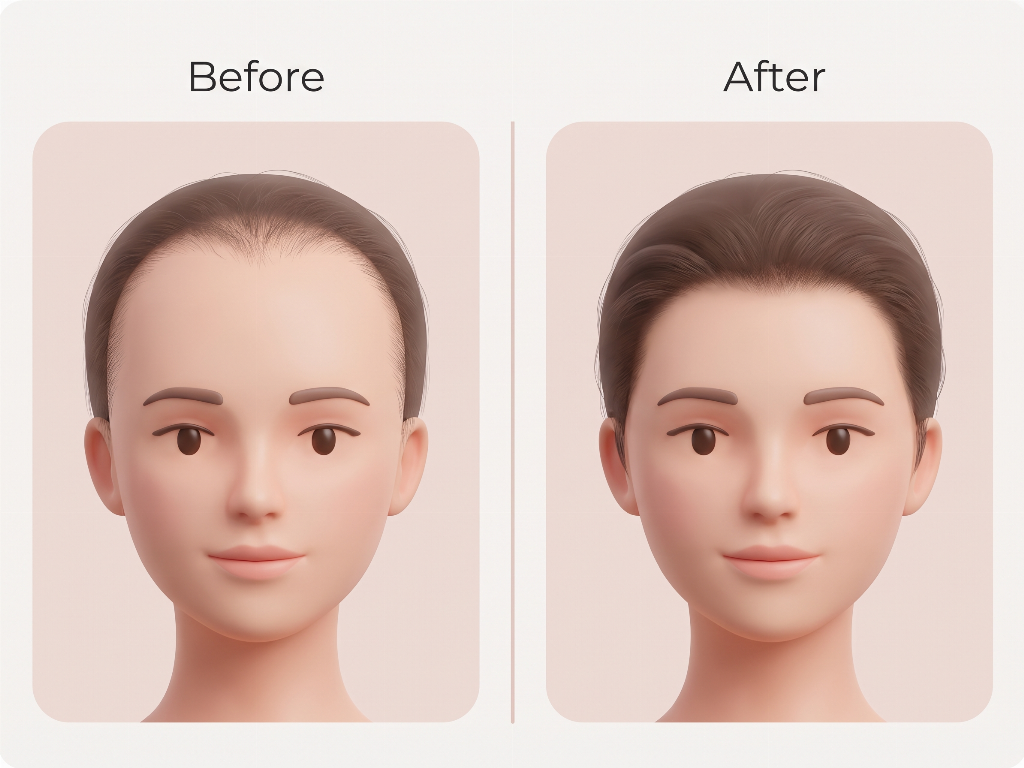
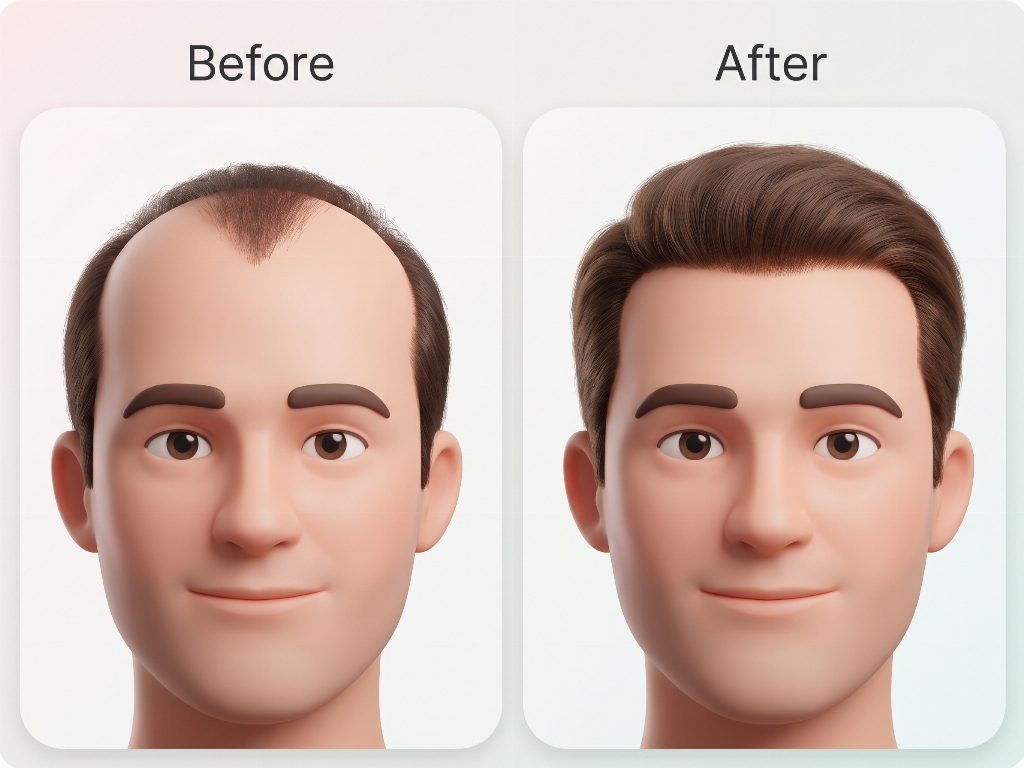
The primary goal of hairline correction is to lower the hairline and soften the facial appearance. By reducing the visible area of the forehead, the face often appears smaller and more balanced. Because the transplanted follicles are taken from the back of the head—where hair is genetically programmed to be more resistant to thinning—the results are intended to be long-lasting and typically persist for a lifetime.
It is important to note that the final aesthetic result is not immediate. The transplanted hairs will undergo a shedding phase (shock loss) within the first few weeks before new, healthy hair begins to grow. Visible improvement usually starts around 3 to 4 months, with the full density and final shape becoming apparent between 9 and 12 months post-procedure.
Why Korea & Cost
South Korea is a global hub for hairline correction, largely due to the high demand for facial contouring and the specific expertise of Korean surgeons in Asian hair characteristics. Asian hair follicles are typically thicker and often contain fewer hairs per graft compared to other ethnicities, requiring a specialized touch to prevent a 'pluggy' or unnatural look. Korean clinics frequently utilize advanced robotic systems and high-magnification microscopes to ensure maximum graft survival rates.
The cost of hairline correction in Korea is determined by several factors, including the number of grafts required, the extraction method (FUE vs. FUT), and whether the donor area needs to be shaved. A comprehensive consultation is necessary to receive an accurate quote based on your specific scalp laxity, hair density, and desired hairline design.
Recovery & Aftercare
Recovery from hairline correction is relatively straightforward, with most patients returning to light daily activities within a few days. The donor and recipient areas will have tiny scabs that naturally fall off within 10 to 14 days. It is crucial to avoid scratching or putting pressure on the newly implanted grafts during this delicate window to ensure they take root successfully.
Clinics in Korea often provide specialized aftercare programs, including laser hair growth therapy and professional scalp cleansing, to soothe the area and promote healing. While the procedure is highly successful, patients should follow all washing instructions carefully to prevent infection and support the healthy growth of the new hairline.
Who Is It For?
- Individuals with a naturally high or wide forehead
- Those with an asymmetric or M-shaped hairline
- Patients seeking a more feminine or balanced facial frame
- Individuals with sufficient donor hair density at the back of the head
- Non-smokers in good general health with realistic expectations
Benefits
- Results that typically last a lifetime
- Creates a more proportional and smaller-looking face
- Natural-looking hair density and growth direction
- Minimal downtime compared to facial bone surgery
- Boosts self-confidence in hairstyles that expose the forehead
How It's Done
- Consultation and artistic hairline design mapping
- Administration of local anesthesia to donor and recipient areas
- Harvesting of healthy hair follicles from the back of the scalp
- Microscopic inspection and preparation of individual grafts
- Creation of tiny recipient sites at the new hairline
- Meticulous implantation of grafts following natural growth angles
Risks & Side Effects
- Infection at the donor or recipient sites
- Temporary thinning of existing hair (native shock loss)
- Numbness or tingling (usually temporary, rarely long-term)
- Itching and minor swelling around the forehead and eyes
- Graft failure or poor survival rate of transplanted follicles
Recovery
- Days 1-3: Minor swelling and redness are common
- Days 7-14: Scabs in the recipient area begin to flake off
- Weeks 2-8: Shedding of transplanted hair (temporary shock loss)
- Months 3-4: New hair growth begins to emerge
- Months 9-12: Final density and natural results are achieved
Aftercare
- Spray the recipient area with saline solution as directed
- Sleep with the head elevated for the first few nights
- Avoid wearing hats or helmets for at least two weeks
- Use only the specialized shampoo provided by the clinic
- Refrain from vigorous exercise for 14 days to protect grafts
Precautions
- Discontinue blood thinners and herbal supplements before surgery
- Avoid alcohol and smoking for at least two weeks post-op
- Do not pick or scratch at scabs in the hairline area
- Protect the scalp from direct sunlight for the first month
- Attend all scheduled follow-up appointments for scalp monitoring
| Duration | 30-90 min |
|---|---|
| Recovery | 5-14 days |
| Anesthesia | Local anesthesia |
| Price Range | Consultation required |


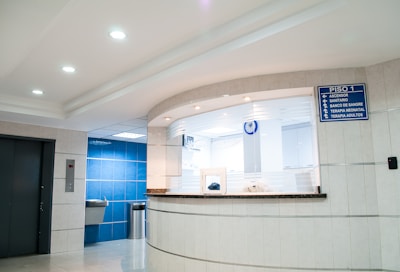
 Clinic Introduction
 Medical Facility
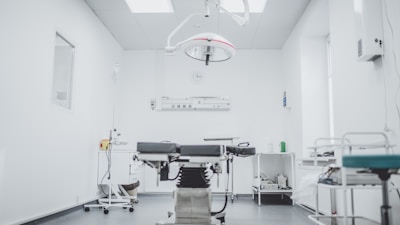
 Patient Care
 Consultation Room
 Medical Staff
 Recovery Suite
 Treatment Room