ICL
Overview
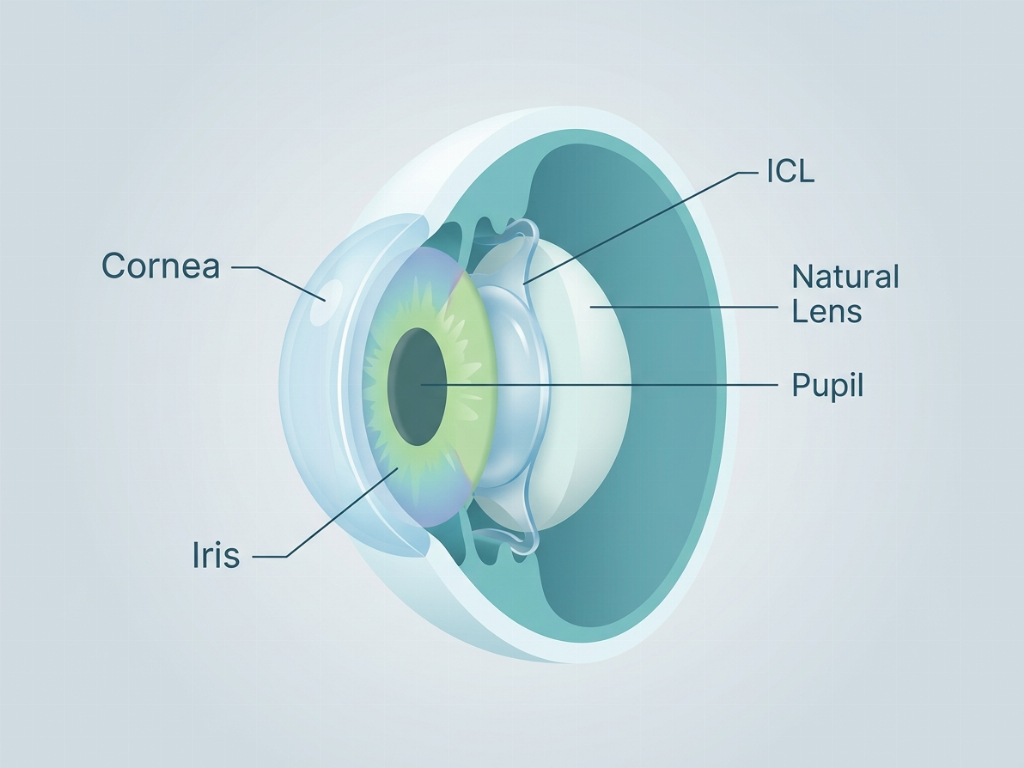
ICL (Implantable Collamer Lens) is a sophisticated vision correction procedure often referred to as an 'implantable contact lens.' Unlike LASIK or LASEK, which reshape the eye by removing corneal tissue with a laser, ICL involves inserting a biocompatible lens through a tiny incision. The lens is positioned behind the iris and in front of the eye's natural crystalline lens, where it stays indefinitely to provide clear vision.
The lens is made from Collamer, a proprietary material containing purified collagen. This material is highly biocompatible, meaning the body does not perceive it as a foreign object. Because the cornea remains intact, ICL is an excellent alternative for patients with thin corneas or extremely high prescriptions who are not eligible for traditional laser eye surgery.
Expected Results
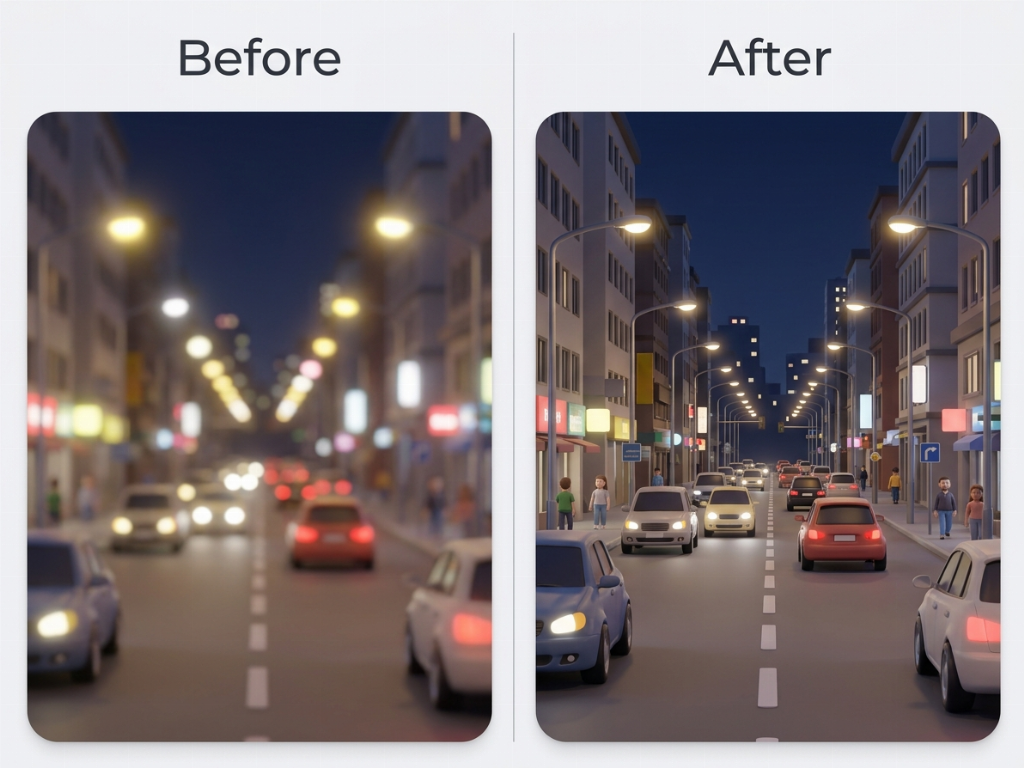
Patients typically experience a dramatic improvement in visual acuity almost immediately after the procedure. ICL is known for providing 'high-definition' vision because it does not induce the corneal irregularities sometimes associated with laser reshaping. It is particularly effective for correcting severe nearsightedness (myopia) and astigmatism.
While most patients achieve 20/20 vision or better, results depend on the individual's eye health and pre-existing prescription. A significant advantage of ICL is that it is reversible; if a patient's vision changes significantly in the future or if a different technology becomes available, the lens can be surgically removed or replaced by a specialist.
Why Korea & Cost
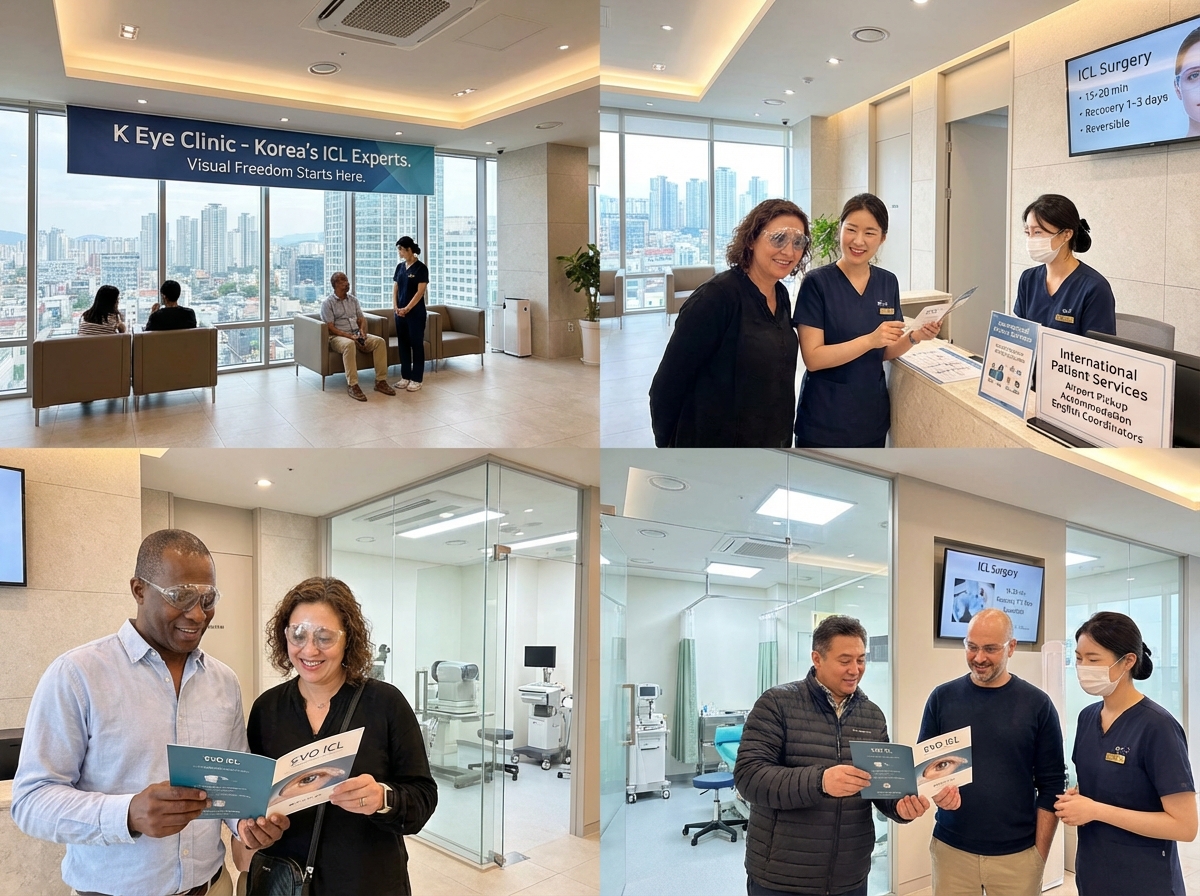
South Korea is a global leader in ophthalmology, performing some of the highest volumes of ICL surgeries worldwide. Korean clinics utilize the latest EVO+ Visian ICL technology, which features a central hole (CentraFLOW) that eliminates the need for a separate peripheral iridotomy, making the surgery faster and more comfortable for the patient.
The cost of ICL in Korea is influenced by the type of lens required (spherical vs. toric for astigmatism) and the surgeon's level of expertise. While ICL is generally more expensive than LASIK due to the high cost of the custom-manufactured lenses, patients benefit from comprehensive pre-operative diagnostic suites and dedicated international patient coordinators. A formal consultation is required to determine the exact lens specifications and provide a final quote.
Recovery & Aftercare
Recovery from ICL is remarkably swift. Most patients can return to work or light daily activities within 24 to 48 hours. During the first few days, it is normal to experience mild sensitivity to light or a slight foreign-body sensation, but significant pain is rare. Vision may fluctuate slightly as the eye heals and the brain adjusts to the new optical system.
Post-operative care is critical to prevent infection and ensure the lens settles correctly. Patients are prescribed antibiotic and anti-inflammatory eye drops to be used for several weeks. Protective eye shields are usually worn during sleep for the first week to prevent accidental rubbing of the eyes, which could displace the lens or irritate the incision site.
Who Is It For?
- Patients with high myopia or severe astigmatism
- Individuals with thin or irregular corneas unsuitable for LASIK
- People with chronic dry eye who want to avoid laser surgery
- Adults aged 21 to 45 with a stable vision prescription
- Those seeking a reversible vision correction option
Benefits
- Provides sharp high-definition vision quality
- Preserves natural corneal thickness and strength
- Biocompatible material minimizes dry eye symptoms
- UV protection built directly into the lens
- Removable and replaceable if vision needs change
How It's Done
- Application of numbing eye drops and mild sedation
- Creation of a microscopic incision at the edge of the cornea
- Injection of a gel-like substance to protect eye structures
- Insertion and unfolding of the folded ICL lens behind the iris
- Removal of the protective gel and closing of the incision
Risks & Side Effects
- Temporary increase in intraocular pressure
- Potential for nighttime halos or glare
- Risk of early cataract development if sized incorrectly
- Endothelial cell loss over long periods
- Rare risk of infection or inflammation
Recovery
- Vision typically clears within 24 hours post-surgery
- Mild light sensitivity may persist for a few days
- Follow-up appointments scheduled for Day 1 and Week 1
- Most patients return to work within 2 days
- Full stabilization of vision occurs within 1 month
Aftercare
- Use prescribed antibiotic and steroid drops as directed
- Wear protective eye shields while sleeping for one week
- Avoid getting water or soap in the eyes for 7 days
- Refrain from wearing eye makeup for at least two weeks
- Attend all scheduled pressure checks with your surgeon
Precautions
- Do not rub or press on the eyes during the first month
- Avoid swimming pools and saunas for at least 4 weeks
- Limit heavy lifting or strenuous exercise for 1-2 weeks
- Wear sunglasses outdoors to manage light sensitivity
- Contact the clinic immediately if sudden pain or blurring occurs
| Duration | 20-30 min |
|---|---|
| Recovery | 1-3 days |
| Anesthesia | Topical anesthesia |
| Price Range | approx. $1,480 – $2,960 (based on ₩2,000,000–₩4,000,000) |








 Clinic Introduction
 Medical Facility
 Patient Care
 Consultation Room
 Medical Staff
 Recovery Suite
 Treatment Room