Intimate Surgery

Overview
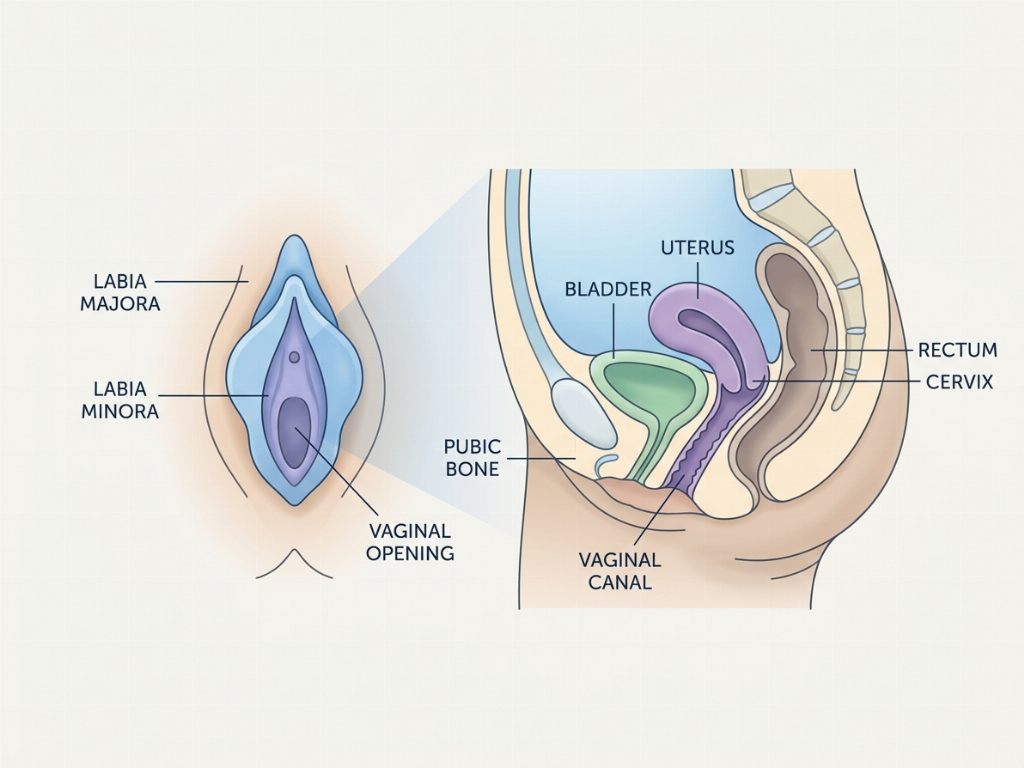
Intimate surgery, often referred to by the broad term vaginal rejuvenation, includes a range of surgical and non-surgical procedures aimed at the female genital area. The most common procedures are vaginoplasty (tightening of the vaginal canal), labiaplasty (reshaping or reducing the labia minora), and perineoplasty (repairing the perineum). These treatments address changes caused by childbirth, aging, or congenital factors.
While some patients seek these procedures for aesthetic reasons, many pursue them to resolve functional issues such as physical discomfort during exercise, irritation from clothing, or a feeling of laxity. It is important to distinguish between medical necessity and elective enhancement, and a consultation with a board-certified gynecologist or plastic surgeon is essential to determine the appropriate approach.
Expected Results
The primary goal of intimate surgery is to restore anatomical structure and improve physical comfort. For labiaplasty, patients typically see a more symmetrical or reduced labial profile, which can alleviate chafing and irritation. Vaginoplasty aims to tighten the pelvic floor muscles and vaginal mucosa, which may improve physical satisfaction for some patients by increasing friction during activity.
It is important to note that while many patients report improved confidence and comfort, changes in sexual sensation are not medically guaranteed and vary significantly between individuals. Results are generally long-lasting, though future childbirth or the natural aging process can alter the surgical outcome over time.
Why Korea & Cost
South Korea offers a high concentration of clinics specializing in female pelvic health, utilizing advanced laser technologies and minimally invasive surgical techniques. Surgeons in Korea often have extensive experience in both the functional and aesthetic aspects of these procedures, providing a discreet and professional environment for international patients.
The cost of intimate surgery in Korea depends on several factors, including the specific combination of procedures (e.g., combining labiaplasty with vaginoplasty), the technique used (laser vs. traditional scalpel), and the type of anesthesia required. A personalized consultation is necessary to receive an accurate quote based on your specific anatomical needs and goals.
Recovery & Aftercare
Recovery varies depending on whether the procedure was surgical or energy-based (laser). For surgical options, patients should expect some swelling, bruising, and mild discomfort for the first week. Most individuals can return to light desk work within 5 to 7 days, but strenuous physical activity and heavy lifting must be avoided for several weeks to ensure proper healing of the delicate tissues.
Strict adherence to hygiene protocols is vital to prevent infection. Patients are typically advised to refrain from using tampons or engaging in sexual intercourse for approximately 4 to 6 weeks. Follow-up appointments, either in person or via remote consultation, help monitor the healing process and ensure that the internal and external sutures are dissolving correctly.
Who Is It For?
- Women experiencing physical discomfort or chafing due to enlarged labia
- Individuals with vaginal laxity following vaginal childbirth
- Patients seeking to repair perineal tearing or scarring
- Those with realistic expectations regarding functional and aesthetic improvements
- Non-smokers in good general health without active pelvic infections
Benefits
- Reduction of physical irritation and discomfort during exercise
- Improved aesthetic symmetry and contour of the labia
- Enhanced structural support of the vaginal canal and pelvic floor
- Increased personal confidence and comfort in fitted clothing
- Potential improvement in physical satisfaction during intimacy
How It's Done
- Pre-operative consultation and pelvic examination to confirm candidacy
- Administration of anesthesia for patient comfort
- Surgical excision of excess tissue or tightening of pelvic muscles
- Precise suturing using dissolvable threads to minimize scarring
- Final inspection of symmetry and structural integrity
Risks & Side Effects
- Infection or delayed wound healing
- Temporary or permanent nerve damage or altered sensation
- Chronic pain or discomfort during intercourse (dyspareunia)
- Asymmetry or over-correction requiring revision surgery
- Visible scarring or tissue necrosis
Recovery
- Initial downtime of 3 to 7 days depending on the procedure extent
- Swelling and minor spotting are common in the first 2 weeks
- Absorbable sutures typically dissolve within 2 to 3 weeks
- Full tissue maturation and final results visible after 3 to 6 months
- Gradual return to exercise as advised by the surgeon
Aftercare
- Keep the treated area clean and dry using prescribed antiseptic washes
- Wear loose-fitting cotton underwear to minimize friction
- Apply cold compresses as directed to manage initial swelling
- Avoid baths, swimming pools, and saunas for at least 4 weeks
- Refrain from sexual activity and tampon use for 6 weeks
Precautions
- Disclose all current medications and supplements to the surgeon
- Avoid smoking and alcohol for at least 2 weeks before and after surgery
- Schedule the procedure outside of the menstrual cycle if possible
- Ensure a support person is available for the first 24 hours post-anesthesia
- Report any signs of fever or unusual discharge immediately
| Duration | 30-180 min |
|---|---|
| Recovery | 0-21 days |
| Anesthesia | Sedation |
| Price Range | Consultation required |




 Clinic Introduction
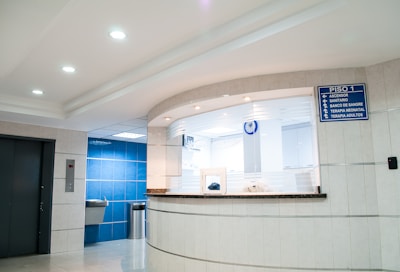
 Medical Facility
 Patient Care
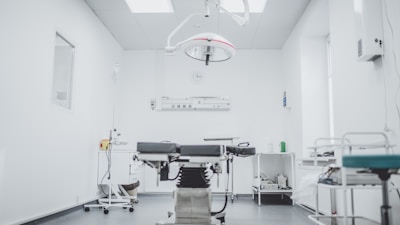 Consultation Room
 Medical Staff
 Recovery Suite
 Treatment Room