Moxibustion

Overview
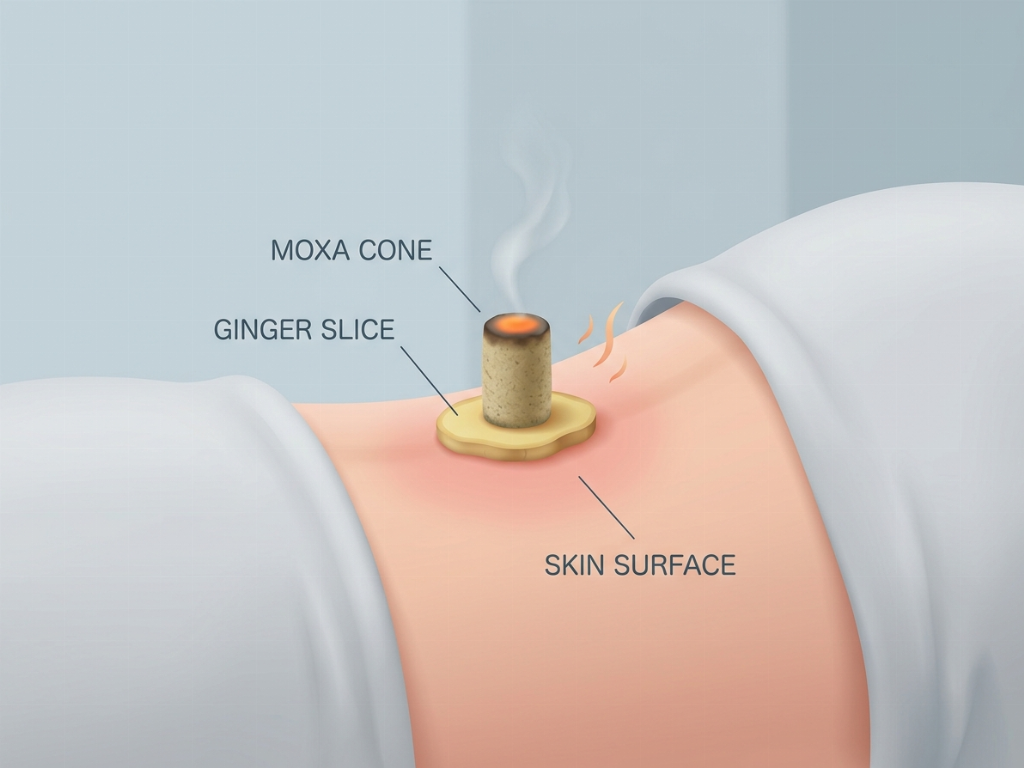
Moxibustion, known as Gureak in Traditional Korean Medicine (TKM) or Hanuihak, is a therapeutic technique that utilizes the heat generated by burning dried mugwort (Artemisia vulgaris). This herbal material, called moxa, is applied either directly to the skin or indirectly using needles or insulating barriers. The goal is to stimulate specific acupuncture points and meridians to improve the flow of Qi (vital energy) and blood.
In South Korea, moxibustion is often integrated with acupuncture to enhance the therapeutic effect. Modern clinics typically use indirect methods, such as placing moxa on top of an acupuncture needle or using a specialized device that holds the burning herb a safe distance from the skin. This provides a deep, penetrating warmth that targets internal coldness and stagnation without the intent of causing skin damage.
Expected Results
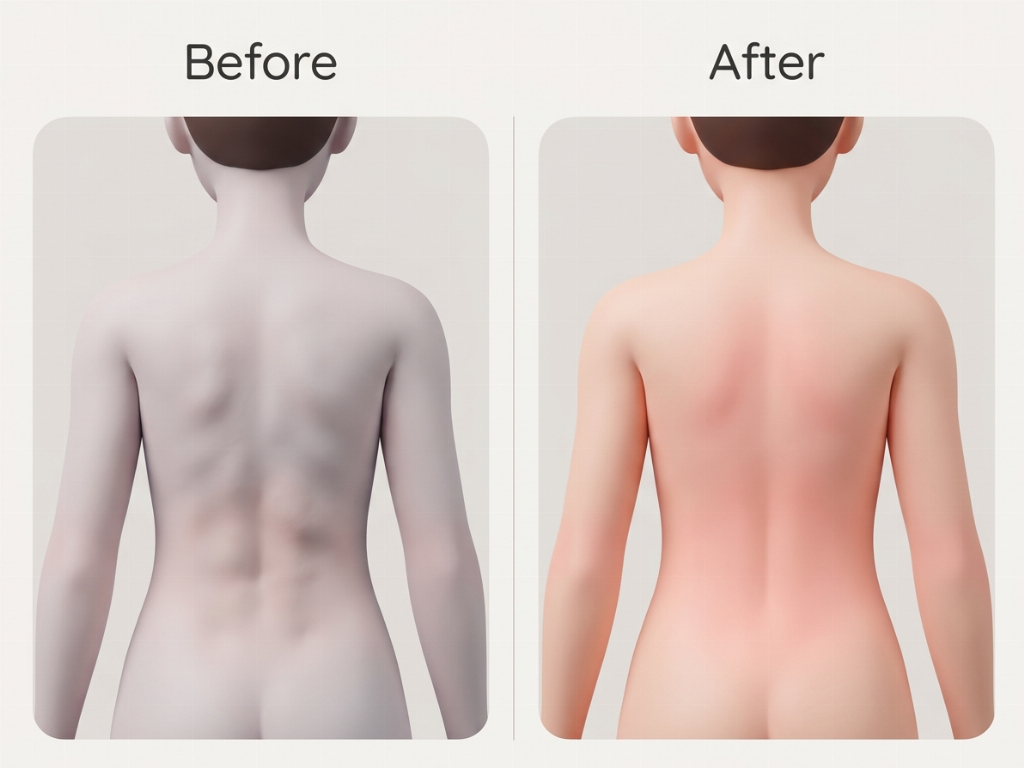
Patients typically experience a deep sense of relaxation and localized warmth during and after the session. Because moxibustion focuses on thermal stimulation, it is frequently used to address chronic pain, digestive issues, and menstrual discomfort. By promoting vasodilation, the procedure helps increase oxygen and nutrient delivery to the treated tissues, which may accelerate the body's natural repair mechanisms.
While some patients report immediate relief from muscle tension or cold extremities, the effects of moxibustion are often cumulative. A series of treatments is usually recommended to achieve noticeable improvements in chronic conditions. It is important to note that results vary based on individual constitution and the specific health concerns being addressed.
Why Korea & Cost
South Korea is a global leader in integrating traditional Eastern therapies with modern medical standards. Licensed Hanui (Traditional Korean Medicine doctors) undergo rigorous six-year university programs and national certification, ensuring that moxibustion is performed with high safety standards and anatomical precision. Many Korean clinics also utilize smoke-free moxa and advanced temperature-controlled devices to cater to international patients who may be sensitive to traditional herbal smoke.
The cost of moxibustion in Korea is influenced by the duration of the session, the quality of the mugwort used, and whether it is performed as a standalone treatment or as part of a comprehensive acupuncture and herbal medicine plan. A consultation with a board-certified TKM specialist will provide a tailored treatment plan and a specific price quote based on your health goals.
Recovery & Aftercare
Recovery from moxibustion is generally immediate, though the skin may remain slightly pink or warm for several hours. In modern clinical practice, the goal is to provide therapeutic heat without causing burns. However, if the skin is particularly sensitive, small blisters may occasionally occur. These should be treated as minor burns; patients are advised to keep the area clean and dry and to contact their clinic if any signs of infection or significant discomfort arise.
Post-treatment care focuses on maintaining the warmth generated during the session. Patients are often advised to avoid cold showers or exposure to cold drafts for at least 24 hours. Staying hydrated and resting allows the body to process the circulatory changes initiated by the thermal stimulation.
Who Is It For?
- Individuals with chronic muscle stiffness or joint pain
- Those experiencing digestive issues or abdominal coldness
- Women seeking relief from menstrual cramps or irregularities
- Patients looking for non-invasive wellness and stress reduction
- Individuals with poor circulation or cold hands and feet
Benefits
- May support general wellness and immune function through improved circulation
- Provides deep thermal relaxation to tight muscle groups
- Non-invasive alternative for those seeking traditional healing
- Stimulates localized blood flow to promote tissue repair
- Reduces stress and promotes a sense of physical grounding
How It's Done
- Consultation with a TKM doctor to identify target acupuncture points
- Cleaning of the skin surface in the treatment area
- Placement of indirect moxa cones, sticks, or needle-top moxa
- Ignition of the moxa to generate controlled thermal energy
- Monitoring of skin temperature and patient comfort throughout the session
- Removal of moxa and soothing of the skin if necessary
Risks & Side Effects
- Accidental skin burns or blistering
- Temporary skin redness or pigmentation
- Sensitivity or allergic reaction to mugwort smoke
- Respiratory irritation from herbal smoke in traditional settings
- Faintness or dizziness if performed on an empty stomach
Recovery
- Skin redness typically fades within a few hours
- Avoid cold water or cold environments for 24 hours
- Keep the treated area clean and avoid scratching
- Blisters are rare; if they occur, do not pop them and seek medical advice
- Most patients return to normal activities immediately
Aftercare
- Drink warm water to support metabolic processes
- Wear loose clothing to avoid irritating the treated skin
- Monitor the site for any unusual skin changes or persistent heat
- Avoid intense physical exercise for the remainder of the day
- Follow the specific herbal or dietary advice provided by the TKM doctor
Precautions
- Inform the doctor if you have a history of skin sensitivity or diabetes
- Avoid treatment if you have a high fever or acute inflammation
- Not recommended for use directly over the abdomen during pregnancy
- Ensure the clinic uses proper ventilation or smoke-free moxa
- Do not attempt self-moxibustion on sensitive areas or face
| Duration | 30-90 min |
|---|---|
| Recovery | 5-14 days |
| Anesthesia | No anesthesia |
| Price Range | Consultation required |


 Clinic Introduction
 Medical Facility
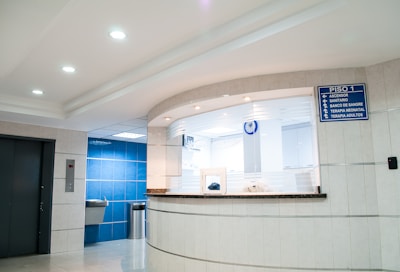 Patient Care
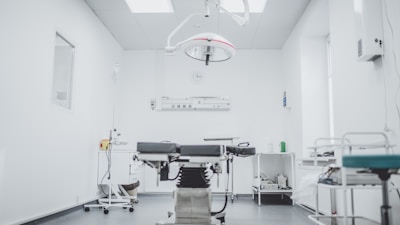 Consultation Room
 Medical Staff
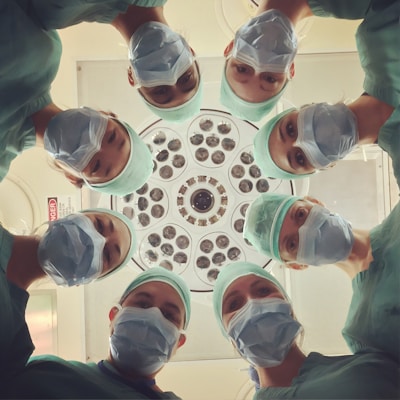 Recovery Suite
 Treatment Room