Thread Lift Rhinoplasty
Overview
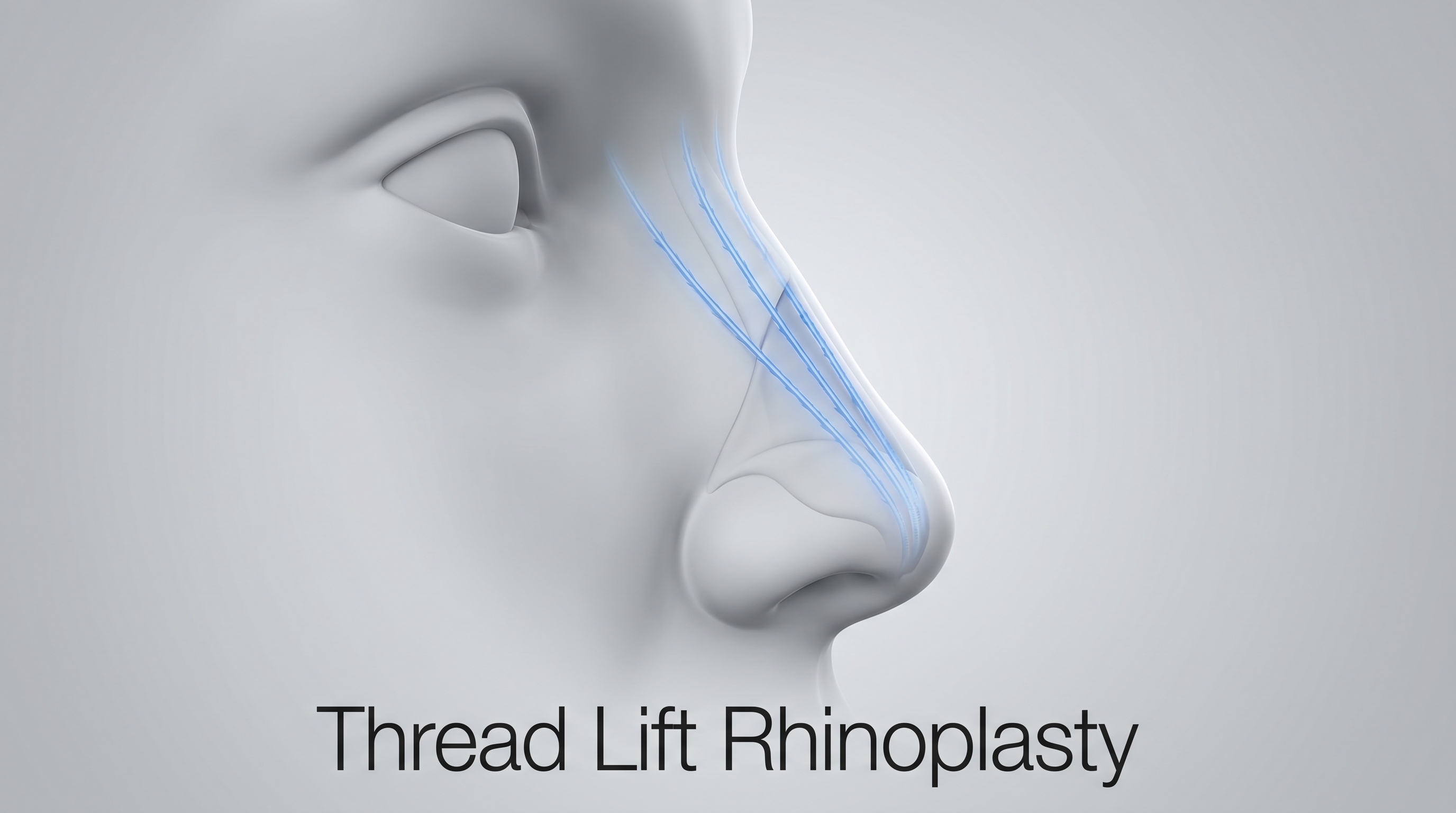
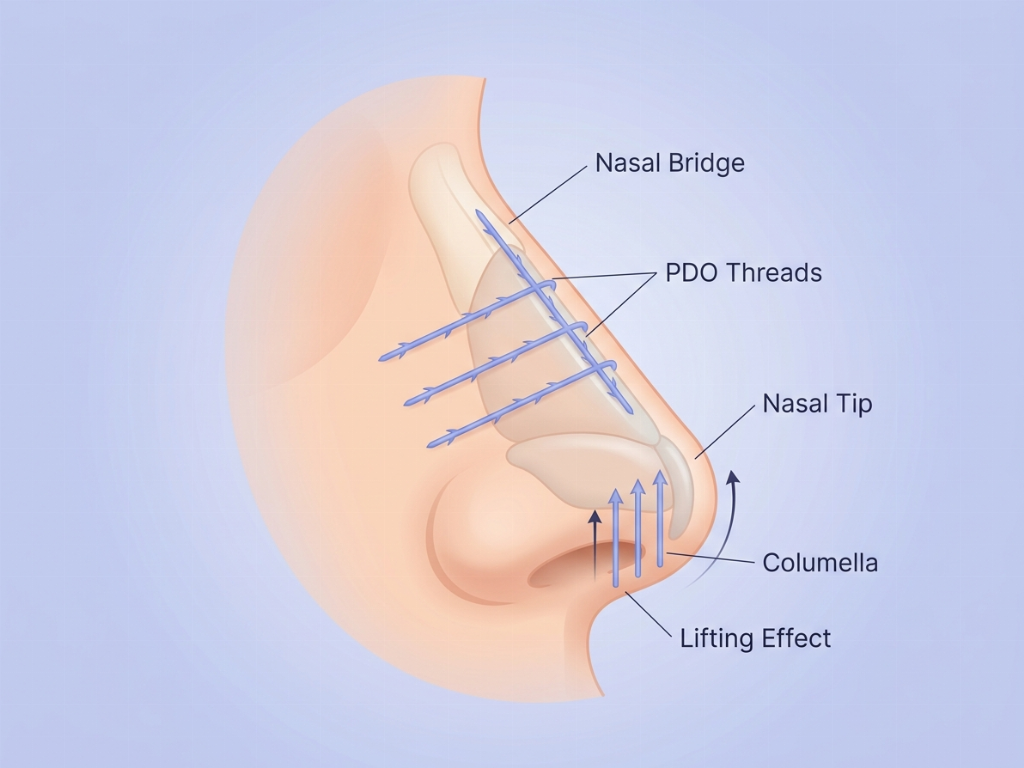
Thread lift rhinoplasty, commonly known in Asia as the Hiko nose lift, is a non-surgical alternative to traditional rhinoplasty. It involves inserting specialized, dissolvable polydioxanone (PDO) threads into the nasal bridge or tip. These threads act as a structural scaffold, providing immediate mechanical lift and definition to the nose's profile.
Unlike dermal fillers, which add volume through a gel-like substance, threads provide a more linear and rigid support system. This makes the procedure particularly effective for those seeking a sharper nasal bridge or a more elevated nasal tip. The threads are eventually absorbed by the body, typically over the course of several months.
Expected Results
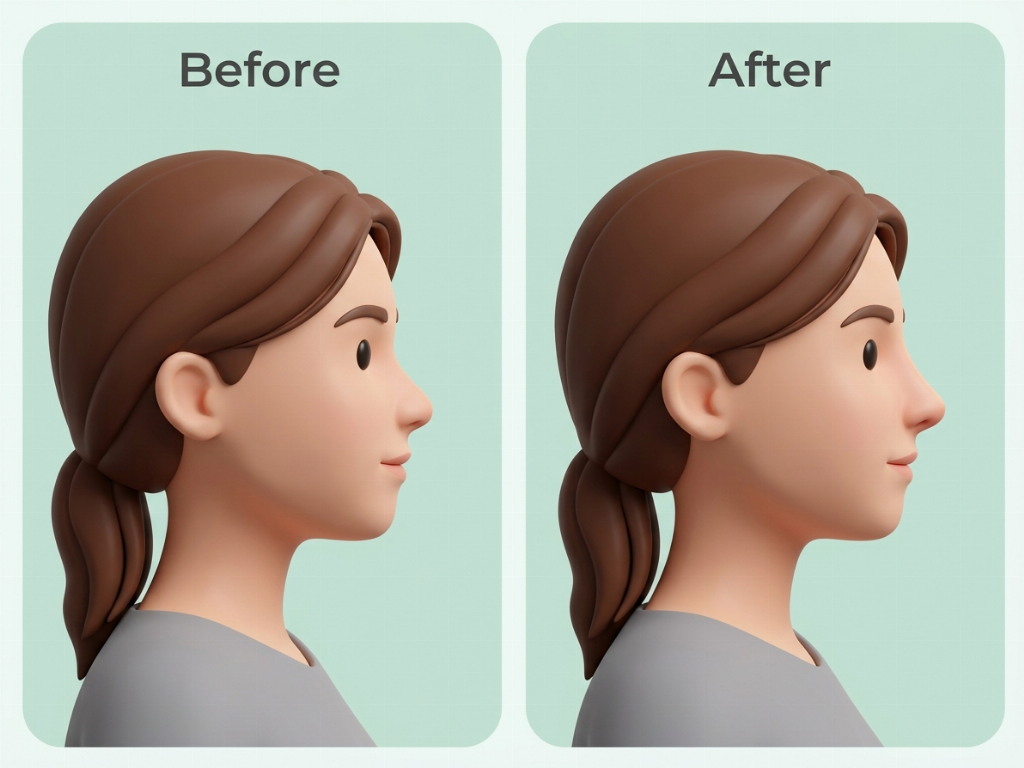
Patients can expect an immediate improvement in the height of the nasal bridge and a more refined, upturned nasal tip. Because the procedure does not involve breaking bone or cartilage, the results are more subtle and natural-looking than a surgical rhinoplasty. It is an excellent 'lunchtime' procedure for those wanting to correct a flat bridge or a drooping tip.
While the primary lift is mechanical, the presence of the threads may provide subtle, long-term structural support by encouraging localized collagen production. However, it is important to note that this procedure is temporary; as the threads dissolve, the nose will gradually return toward its original shape unless a maintenance treatment is performed.
Why Korea & Cost
South Korea is a major hub for thread development and the Hiko technique is widely practiced across Seoul's aesthetic clinics. Korean practitioners are highly experienced in using threads to contour Asian nasal anatomy, focusing on creating a balanced profile that complements the rest of the facial features. Many clinics utilize advanced thread designs with specific cog patterns for better grip and longevity.
The cost of a thread lift rhinoplasty in Korea depends on several factors, including the type and number of threads used, the complexity of the nasal tip work, and the expertise of the specialist. A consultation is necessary to determine the exact number of threads required to achieve your desired aesthetic goal and to provide a formal quote.
Recovery & Aftercare
Recovery is typically very fast, with most patients returning to their daily routines immediately. Minor swelling, redness, or bruising at the entry point (usually the tip of the nose) is common but generally subsides within a few days. You may feel a sensation of tightness or slight discomfort when moving your nose or smiling during the first week.
To ensure the threads settle correctly, it is vital to avoid putting pressure on the nose. This includes refraining from wearing heavy glasses or sleeping on your face. Following the clinic's aftercare instructions regarding cleaning the injection site will help minimize the risk of infection or thread displacement.
Who Is It For?
- Individuals with a low or flat nasal bridge
- Those seeking a subtle lift to a drooping nasal tip
- Patients wanting nose contouring without surgery
- People looking for a procedure with minimal downtime
- Those with realistic expectations for temporary results
Benefits
- Immediate visible lift and definition
- No surgical incisions or permanent scarring
- Short procedure time under an hour
- Minimal swelling compared to surgery
- Reversible as threads naturally dissolve
How It's Done
- Consultation to map the nasal bridge and tip
- Application of local anesthesia to the nose
- Creation of a small entry point at the nasal tip
- Insertion of PDO threads using a blunt cannula
- Manual molding of the nose to set the threads
- Application of a small bandage to the entry point
Risks & Side Effects
- Thread protrusion or extrusion through skin
- Skin necrosis or vascular compromise
- Infection at the insertion site
- Asymmetry or palpable thread edges
- Thread migration requiring medical removal
Recovery
- Swelling and bruising usually resolve in 3-7 days
- Minor tenderness at the tip for the first week
- No downtime required for most office jobs
- Full results visible once minor swelling fades
- Threads dissolve naturally over 6 to 12 months
Aftercare
- Avoid wearing heavy glasses for at least 2 weeks
- Do not rub or massage the nose area
- Sleep on your back with your head elevated
- Keep the entry point clean and dry for 24 hours
- Avoid strenuous exercise for one week
Precautions
- Disclose any previous nose fillers or surgeries
- Avoid blood-thinning supplements before treatment
- Seek immediate help if skin turns white or purple
- Do not undergo dental work for two weeks post-procedure
- Consult a board-certified specialist for safety
| Duration | 15-45 min |
|---|---|
| Recovery | 0-3 days |
| Anesthesia | Local anesthesia |
| Price Range | Consultation required |



 Clinic Introduction
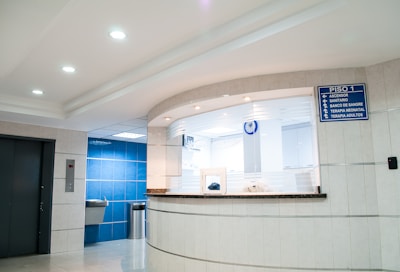
 Medical Facility
 Patient Care
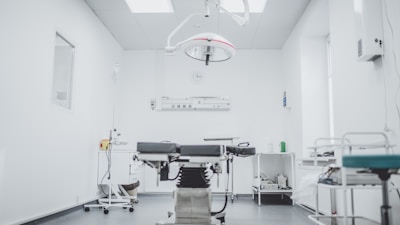 Consultation Room
 Medical Staff
 Recovery Suite
 Treatment Room