Pain Management

Overview
Pain management in the context of Korean Medicine (KM) is a multi-modal approach designed to treat musculoskeletal disorders, sports injuries, and chronic pain syndromes without invasive surgery. It centers on restoring the body's structural balance and improving the flow of energy and blood to affected tissues. The core of this treatment typically involves Acupuncture, Pharmacopuncture (injecting herbal extracts into acupoints), and Chuna Manual Therapy.
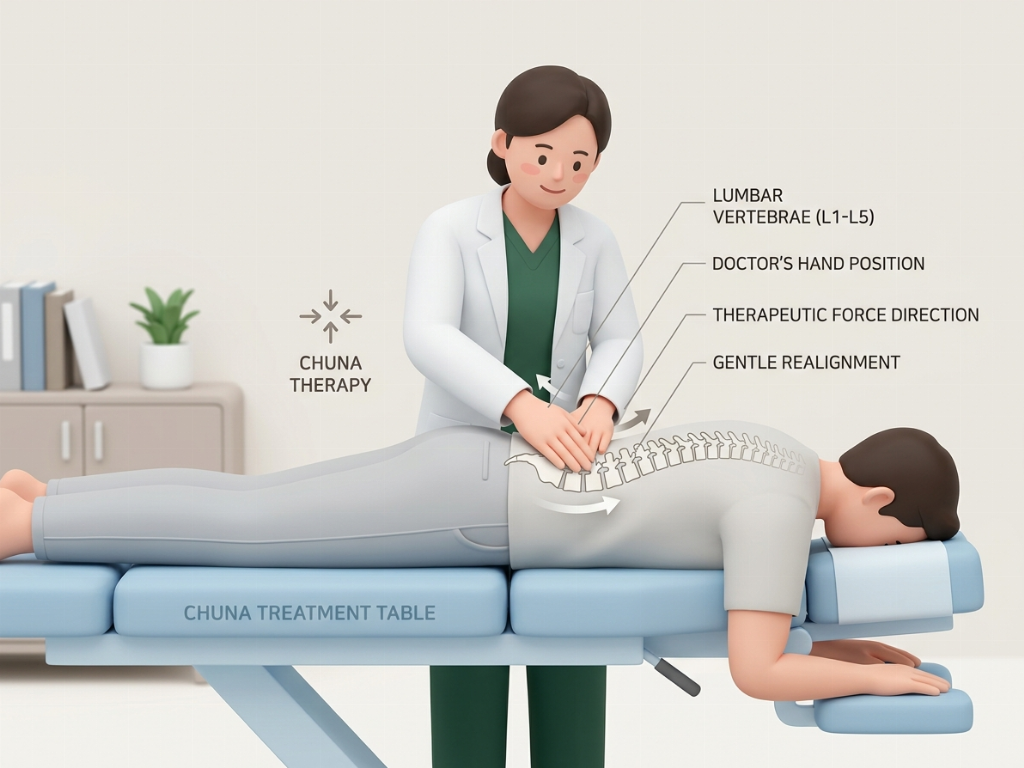
Chuna is a specialized Korean manipulative technique where a doctor uses their hands or assist devices to realign the spine, joints, and soft tissues. Unlike standard physical therapy, KM pain management often incorporates herbal medicine tailored to the individual's constitution to reduce internal inflammation and strengthen ligaments. This integrative method aims to treat the root cause of pain rather than just masking the symptoms.
Expected Results
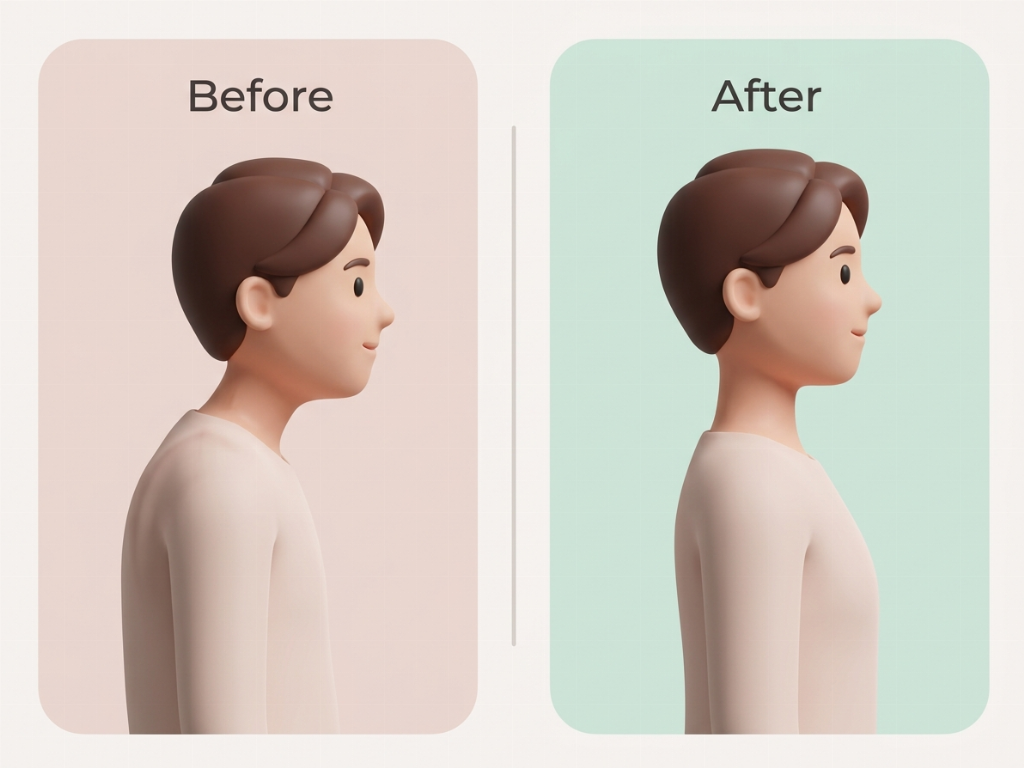
Patients can generally expect a gradual reduction in localized pain and an improvement in their range of motion. For acute conditions like a sprained ankle or sudden back strain, relief may be felt within a few sessions. For chronic issues such as herniated discs or degenerative arthritis, the goal is to alleviate symptoms of nerve compression and stabilize the surrounding musculature to prevent recurrence.
While results vary based on the severity of the condition, many patients report a significant decrease in stiffness and a return to daily activities. It is important to note that KM treatments are cumulative; a series of sessions is usually required to achieve lasting structural stability and functional improvement.
Why Korea & Cost
South Korea is a global leader in integrative medicine, where Western and Korean Medicine often coexist within the same hospital systems. Korean Medicine doctors undergo six years of rigorous medical education and are trained to integrate modern diagnostic reports, such as MRI and CT scans, with traditional treatment protocols. This ensures a high level of safety and diagnostic precision for international patients.
The cost of pain management in Korea depends on the complexity of the condition and the specific combination of therapies used, such as the type of pharmacopuncture or the duration of Chuna sessions. A personalized consultation is necessary to determine the frequency of visits and the total cost of the treatment plan, which is often more accessible than long-term surgical interventions.
Recovery & Aftercare
Recovery from KM pain management is typically straightforward, as the procedures are non-surgical. Some patients may experience mild soreness or bruising at acupuncture sites, or a temporary feeling of fatigue after a Chuna session as the body adjusts to structural realignment. These sensations usually subside within 24 to 48 hours.
To maximize the benefits, patients are encouraged to follow specific postural corrections and stretching exercises provided by their doctor. Consistency is key; adhering to the recommended schedule of follow-up visits ensures that the inflammatory response is managed effectively and that the tissues have adequate time to heal and strengthen.
Who Is It For?
- Individuals with chronic neck, back, or joint pain
- Patients seeking non-surgical alternatives for herniated discs
- Athletes recovering from sports-related soft tissue injuries
- Those experiencing persistent stiffness or limited mobility
- Patients looking for holistic recovery after orthopedic surgery
Benefits
- Non-invasive approach with minimal downtime
- Reduces reliance on long-term pain medication
- Addresses both structural alignment and internal inflammation
- Customized treatment based on individual body constitution
- Improves blood circulation and natural healing response
How It's Done
- Initial consultation and review of diagnostic imaging
- Physical examination and postural assessment
- Acupuncture or pharmacopuncture to release muscle tension
- Chuna manual therapy for joint and spinal realignment
- Application of herbal patches or prescription of herbal medicine
Risks & Side Effects
- Temporary muscle soreness or fatigue after manual therapy
- Minor bruising or redness at acupuncture or cupping sites
- Rare allergic reactions to specific herbal extracts
- Temporary flare-up of symptoms as the body realigns
Recovery
- Mild soreness may last for 1-2 days post-treatment
- Stay hydrated to support metabolic recovery and tissue healing
- Avoid high-impact exercise for 48 hours after Chuna therapy
- Apply light heat to treated areas if muscle stiffness occurs
- Maintain recommended postural habits during daily activities
Aftercare
- Perform prescribed rehabilitative stretches daily
- Attend all scheduled follow-up sessions for cumulative effect
- Monitor for any unusual skin reactions at injection sites
- Report any significant changes in pain levels to the clinic
- Wear comfortable, loose-fitting clothing to appointments
Precautions
- Disclose all current medications and blood thinners
- Inform the doctor of any metal implants or pacemakers
- Avoid receiving treatment on an empty stomach
- Notify the specialist if you are or may be pregnant
- Refrain from alcohol consumption on the day of treatment
| Duration | 30-90 min |
|---|---|
| Recovery | 5-14 days |
| Anesthesia | No anesthesia |
| Price Range | Consultation required |




 Clinic Introduction
 Medical Facility
 Patient Care
 Consultation Room
 Medical Staff
 Recovery Suite
 Treatment Room