Pigmentation Laser
Overview
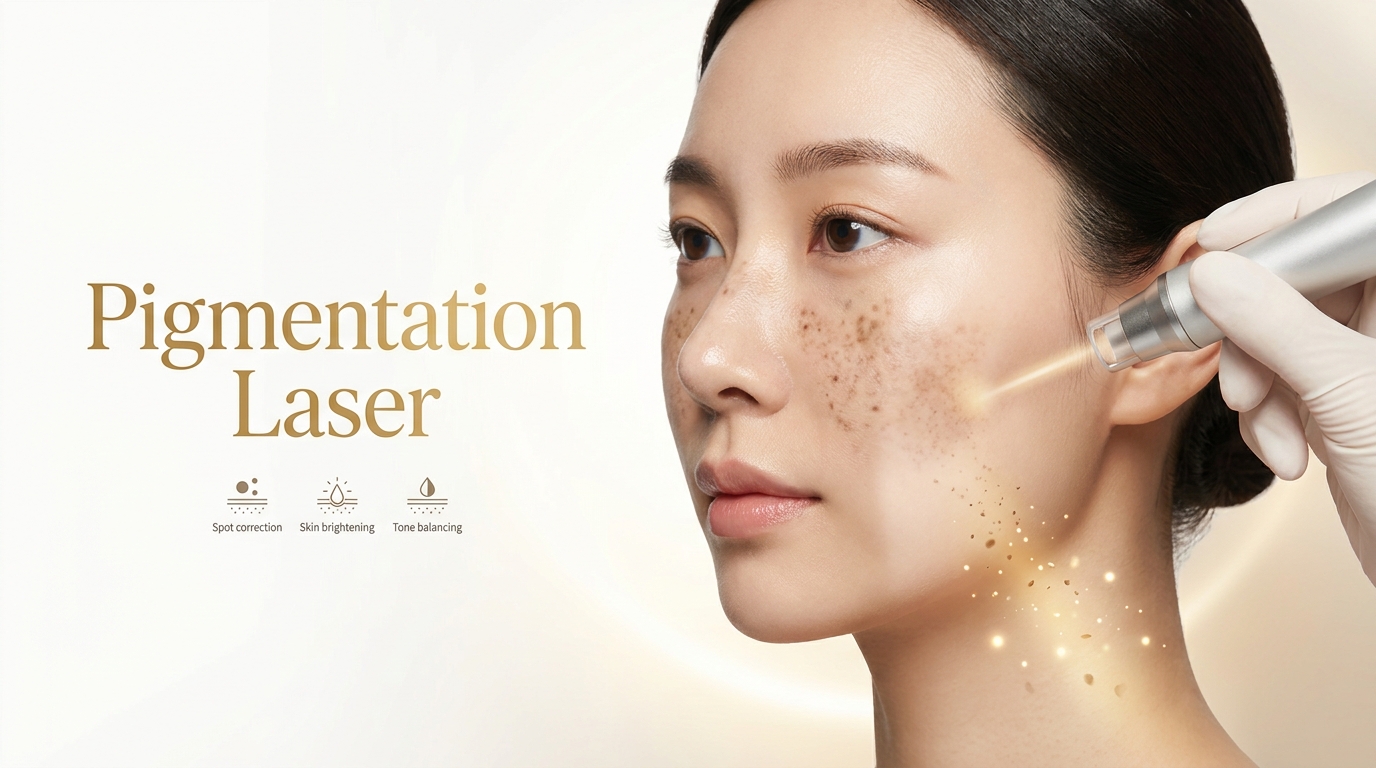
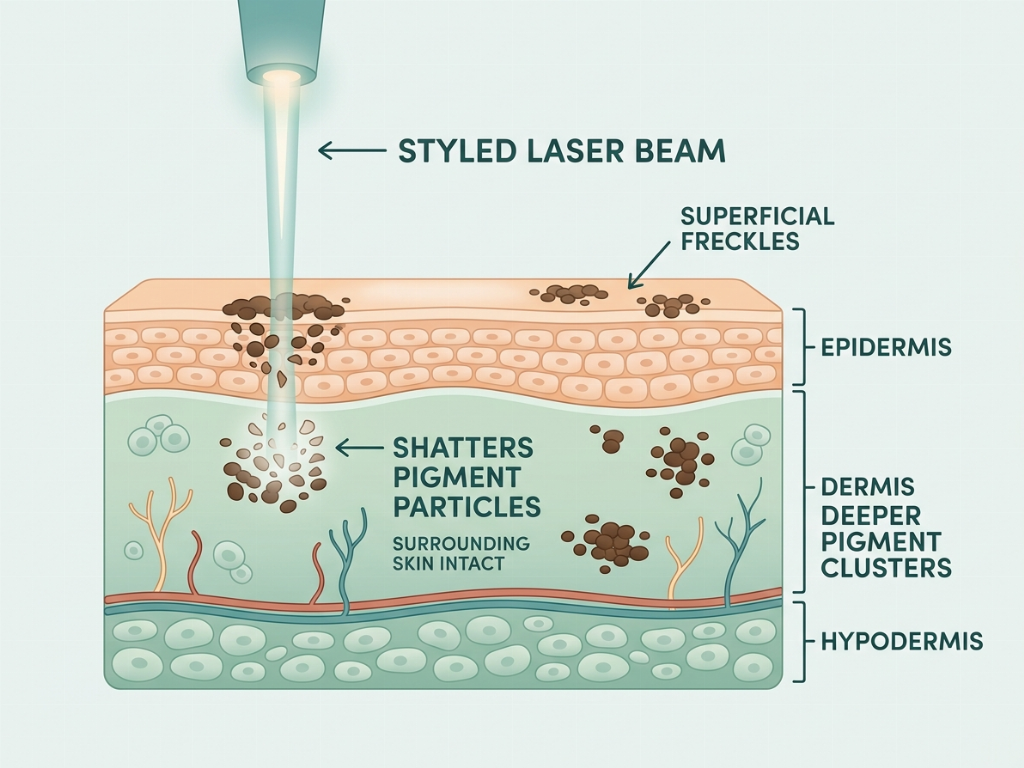
Pigmentation laser treatments encompass a variety of advanced light-based technologies designed to target and break down excess melanin in the skin. Common modalities include Q-switched lasers, Pico lasers, and IPL (Intense Pulsed Light). These devices emit specific wavelengths that are absorbed by pigmented lesions without damaging the surrounding healthy tissue.
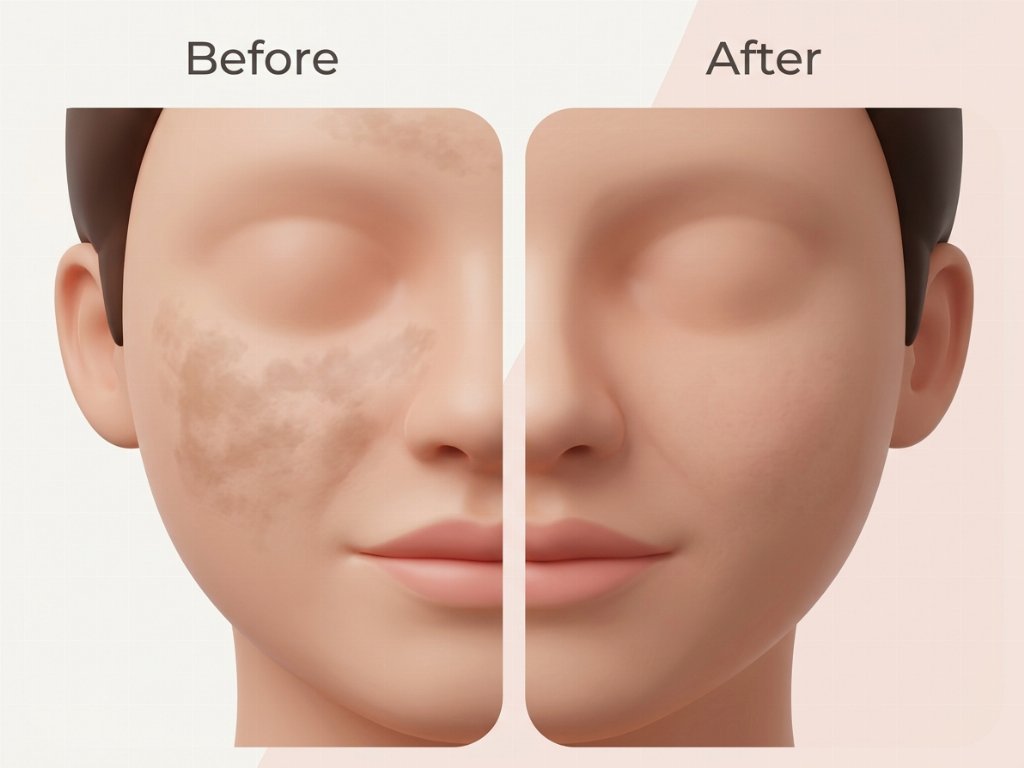
In a clinical setting, a dermatologist selects the appropriate laser based on the depth and type of pigment. Surface-level concerns like freckles or sunspots often respond quickly, while deeper dermal issues such as melasma or Ota's nevus require a more nuanced, multi-session approach. It is important to understand that melasma is a chronic condition; while lasers can significantly fade it, long-term management is necessary to prevent recurrence.
Expected Results
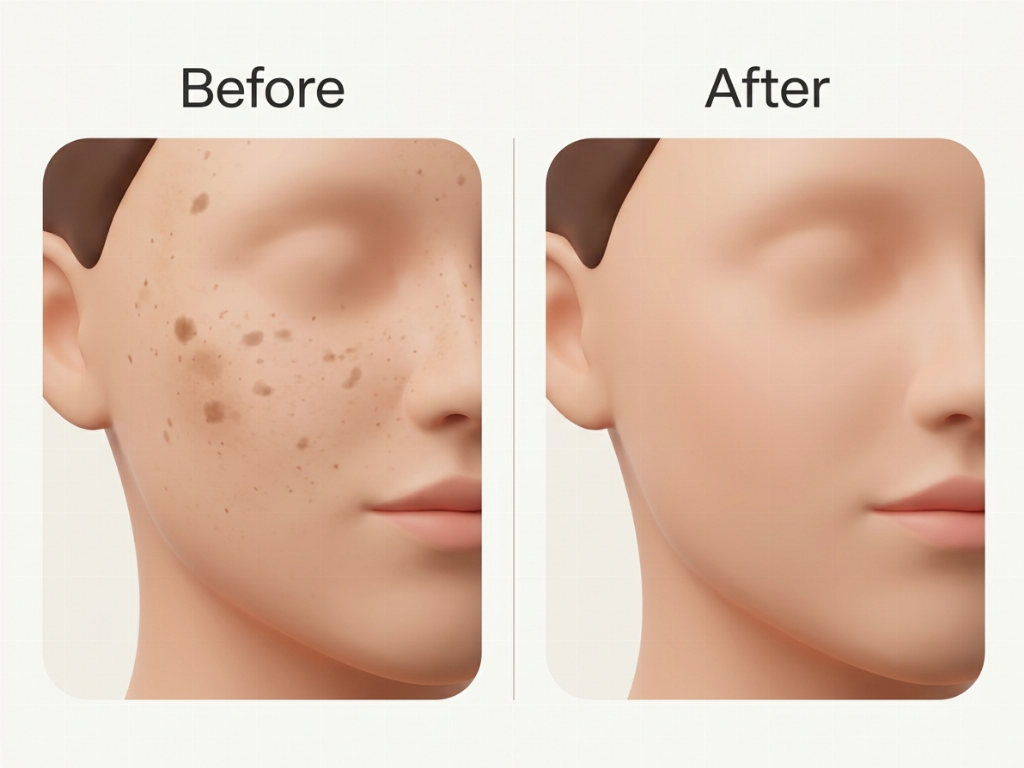
Patients can generally expect a visible reduction in the intensity of dark spots and a more uniform complexion. For superficial pigment like solar lentigines (sunspots), the spots may initially darken or form a thin crust before flaking off to reveal clearer skin. This process typically takes about one week.
For deeper or hormonal pigmentation, results appear more gradually over several months as the body's lymphatic system clears the shattered pigment particles. While many patients see improvement after a single session, a series of treatments is usually recommended to achieve optimal, lasting results. Realistic expectations are key, as lasers improve skin clarity but cannot prevent new pigment from forming due to future sun exposure.
Why Korea & Cost
South Korea is a global hub for dermatological innovation, where practitioners have extensive experience treating Asian skin types, which are more prone to post-inflammatory hyperpigmentation (PIH). Clinics in Seoul often utilize a 'cocktail' approach, combining different laser wavelengths in a single visit to target pigment at multiple skin depths simultaneously.
The cost of pigmentation laser treatment in Korea varies based on the specific technology used (such as the latest Pico-second lasers), the surface area being treated, and the number of sessions required. A personalized consultation is necessary to determine the exact protocol and provide a formal quote based on your specific skin condition.
Recovery & Aftercare
Recovery is typically minimal, with most patients returning to their daily routines immediately. You may experience mild redness, swelling, or a sensation similar to a light sunburn for 24 to 48 hours. If the laser targets surface spots, those areas may turn darker and form 'micro-crusts' that should be allowed to fall off naturally.
The most critical aspect of aftercare is strict sun protection. Treated skin is highly sensitive to UV rays, and unprotected exposure can lead to rebound pigmentation or new spots. Using a broad-spectrum SPF 50+ sunscreen and avoiding direct heat (like saunas or hot baths) for the first week is essential for a safe recovery.
Who Is It For?
- Individuals with visible sunspots or age spots
- Patients looking to fade freckles or birthmarks
- Those with stable melasma seeking tone improvement
- People with post-inflammatory hyperpigmentation from acne
- Individuals with an uneven or dull skin tone
Benefits
- Non-invasive with minimal to no downtime
- Targets specific pigment without harming surrounding skin
- Improves overall skin clarity and brightness
- Customizable settings for different skin types
- Stimulates mild collagen production in some cases
How It's Done
- Deep cleansing of the treatment area
- Application of topical numbing cream if required
- Eye protection with specialized goggles or shields
- Systematic application of laser pulses to pigmented areas
- Application of cooling packs or soothing masks
- Application of regenerative cream and sunblock
Risks & Side Effects
- Temporary redness and mild swelling
- Post-inflammatory hyperpigmentation (PIH)
- Hypopigmentation or permanent white spots
- Potential worsening of melasma if incorrectly calibrated
- Temporary crusting or scabbing of treated areas
Recovery
- Redness usually subsides within 1-2 days
- Pigmented spots may darken before fading
- Micro-crusts typically flake off within 7 days
- No downtime required for most laser types
- Skin may feel dry or sensitive for a few days
Aftercare
- Apply broad-spectrum SPF 50+ sunscreen daily
- Avoid direct sun exposure for at least two weeks
- Use gentle cleansers and avoid harsh exfoliants
- Keep the skin hydrated with a mild moisturizer
- Do not pick or scratch at any micro-crusts
- Avoid saunas and vigorous exercise for 3-5 days
Precautions
- Discontinue use of retinol or acids 3 days prior
- Inform the doctor of any history of cold sores
- Avoid tanning or sunbeds for 4 weeks before treatment
- Consult a specialist if you have active skin infections
- Ensure melasma is stable before proceeding with high-energy lasers
| Duration | 15-45 min |
|---|---|
| Recovery | 0-3 days |
| Anesthesia | Topical anesthesia |
| Price Range | Consultation required |



 Clinic Introduction
 Medical Facility
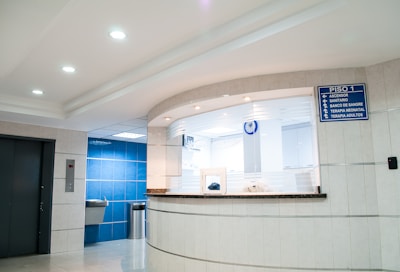 Patient Care
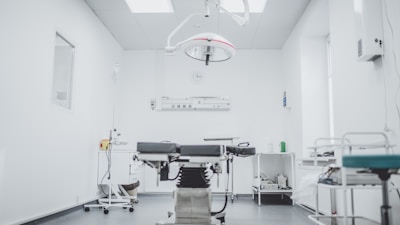 Consultation Room
 Medical Staff
 Recovery Suite
 Treatment Room