Ptosis Correction Surgery
Overview
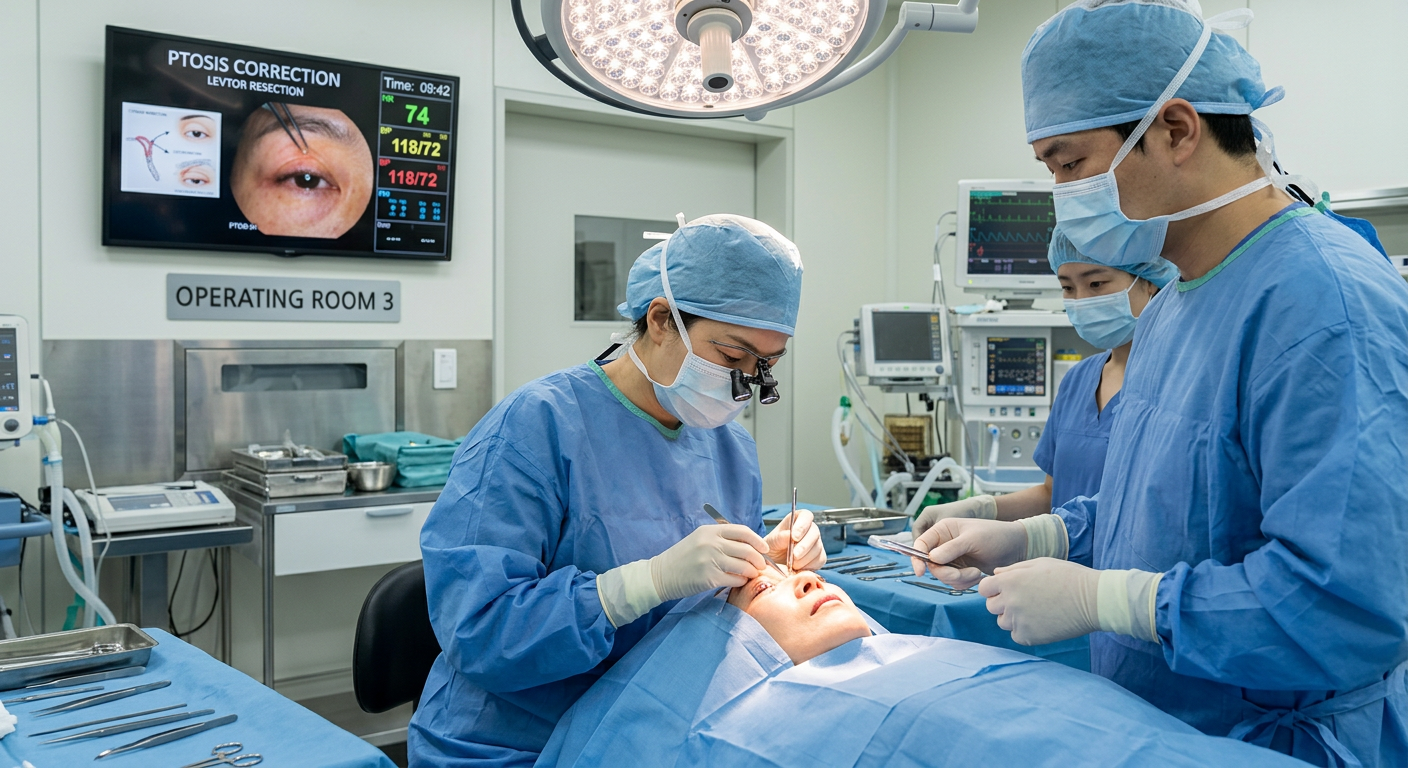
Ptosis correction is a specialized eyelid surgery designed to address 'blepharoptosis,' a condition where the upper eyelid droops over the eye. Unlike a standard double eyelid surgery that focuses primarily on creating a skin crease, ptosis correction targets the levator muscle or Mueller’s muscle, which are responsible for lifting the eyelid. When these muscles are weak or stretched, the eyes can appear tired, sleepy, or asymmetrical.
The procedure involves shortening or tightening the internal lifting mechanisms of the eyelid. It can be performed via an incisional method, which allows for significant correction and removal of excess skin, or a non-incisional (suture) method for milder cases. A board-certified surgeon determines the appropriate technique based on the severity of the muscle weakness and the patient's eyelid anatomy.
Expected Results
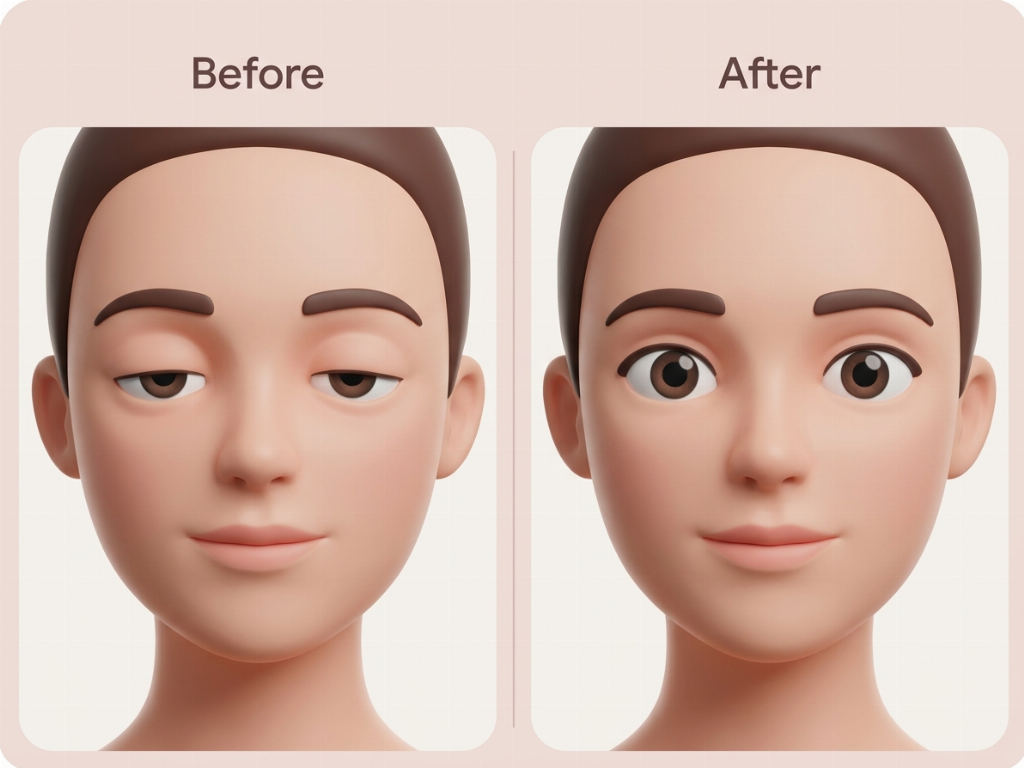
The primary goal of ptosis correction is to reveal more of the iris (the colored part of the eye), resulting in a more alert and refreshed appearance. Patients typically notice that their eyes look larger and more symmetrical. Because the eyelid now opens more easily, many patients find they no longer need to subconsciously use their forehead muscles to lift their brows, which can lead to a smoother forehead over time.
While the functional and aesthetic improvements are significant, it is important to have realistic expectations. Achieving perfect symmetry is challenging as the eyes are naturally asymmetrical, but the surgery aims to bring them into a much closer balance. Results are long-lasting, though the natural aging process will continue to affect the eyelid tissues over time.
Why Korea & Cost
South Korea is a popular destination for ptosis correction due to the high volume of eyelid surgeries performed by local specialists. Korean surgeons are well-regarded for their experience in managing Asian eyelid anatomy, particularly in balancing the functional muscle repair with the aesthetic creation of a natural-looking double eyelid crease. Many clinics utilize advanced, minimally invasive techniques to reduce scarring and expedite the healing process.
The cost of ptosis correction in Korea varies depending on several factors, including whether the incisional or non-incisional method is used, the complexity of the muscle repair, and whether it is a primary surgery or a revision. Additional procedures, such as epicanthoplasty or fat removal, will also influence the final price. A comprehensive consultation is necessary to receive an accurate quote tailored to your specific needs.
Recovery & Aftercare
The initial recovery period for ptosis correction typically lasts between 7 to 14 days. During the first few days, swelling and bruising are common and can be managed with consistent cold compresses. If the incisional method was used, sutures are generally removed 5 to 7 days after the procedure. Most patients feel comfortable returning to work or social activities once the major swelling subsides, though residual minor swelling may persist for several months.
Post-operative care is crucial for ensuring the best possible outcome and preventing complications. Patients are advised to keep their head elevated while sleeping and avoid activities that cause eye strain, such as prolonged screen time, during the first week. Following the surgeon's instructions regarding eye drops and ointments will help keep the eyes lubricated and prevent infection during the healing phase.
Who Is It For?
- Individuals with upper eyelids that cover a significant portion of the pupil
- People who appear tired or sleepy even when well-rested
- Those who habitually use forehead muscles to lift their eyelids
- Patients with noticeable eyelid asymmetry
- Individuals with clear vision obstruction due to drooping lids
Benefits
- Creates a more alert and energetic facial expression
- Improves the field of vision by lifting the eyelid margin
- May help reduce forehead strain and associated tension headaches
- Enhances eye symmetry and overall facial balance
- Provides long-lasting functional and aesthetic correction
How It's Done
- Consultation to measure levator muscle strength and eyelid drooping
- Administration of local anesthesia with optional sedation
- Creation of a small incision or micro-punctures in the eyelid
- Tightening or advancement of the levator muscle or aponeurosis
- Adjustment of the eyelid height and shape for symmetry
- Closure of the site with fine sutures
Risks & Side Effects
- Temporary or persistent dry eye syndrome
- Asymmetry between the two eyelids
- Changes to the eyelid fold or loss of the double eyelid crease
- Difficulty fully closing the eyes (lagophthalmos)
- Infection or hematoma at the incision site
Recovery
- Major swelling and bruising typically peak within 48 to 72 hours
- Stitches are usually removed 5 to 7 days post-surgery
- Contact lenses should be avoided for at least 2 weeks
- Most patients return to normal daily routines after 10 days
- Final results are typically visible after 3 to 6 months
Aftercare
- Apply cold packs for the first 3 days to minimize swelling
- Keep the surgical area clean and dry as instructed
- Use prescribed antibiotic ointments and lubricating eye drops
- Sleep with the head elevated on two or more pillows
- Avoid heavy lifting and strenuous exercise for 3 to 4 weeks
Precautions
- Avoid rubbing or applying pressure to the eyes during healing
- Refrain from wearing eye makeup until the incisions have fully closed
- Protect the eyes from direct sunlight and wind with sunglasses
- Discontinue smoking and alcohol consumption for at least 2 weeks
- Attend all scheduled follow-up appointments for progress monitoring
| Duration | 45-90 min |
|---|---|
| Recovery | 7-14 days |
| Anesthesia | Local anesthesia |
| Price Range | approx. $1,110 – $2,960 (based on ₩1,500,000–₩4,000,000) |






 Clinic Introduction
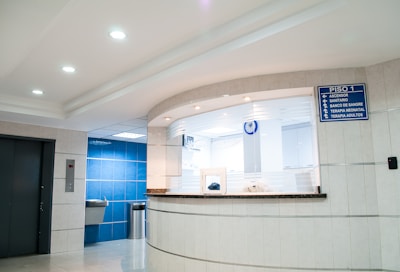
 Medical Facility
 Patient Care
 Consultation Room
 Medical Staff
 Recovery Suite
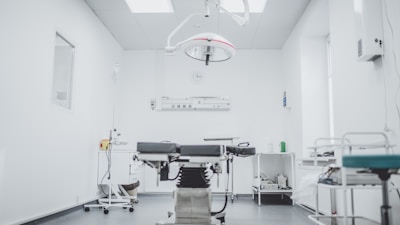
 Treatment Room