Rhinoplasty

Overview
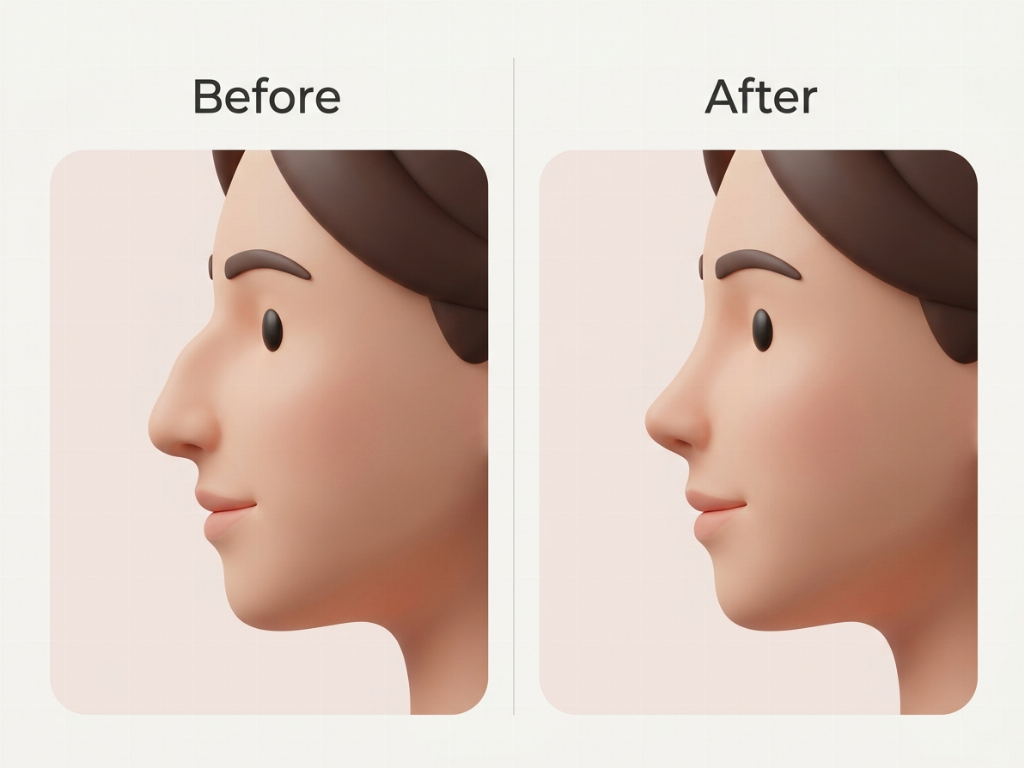
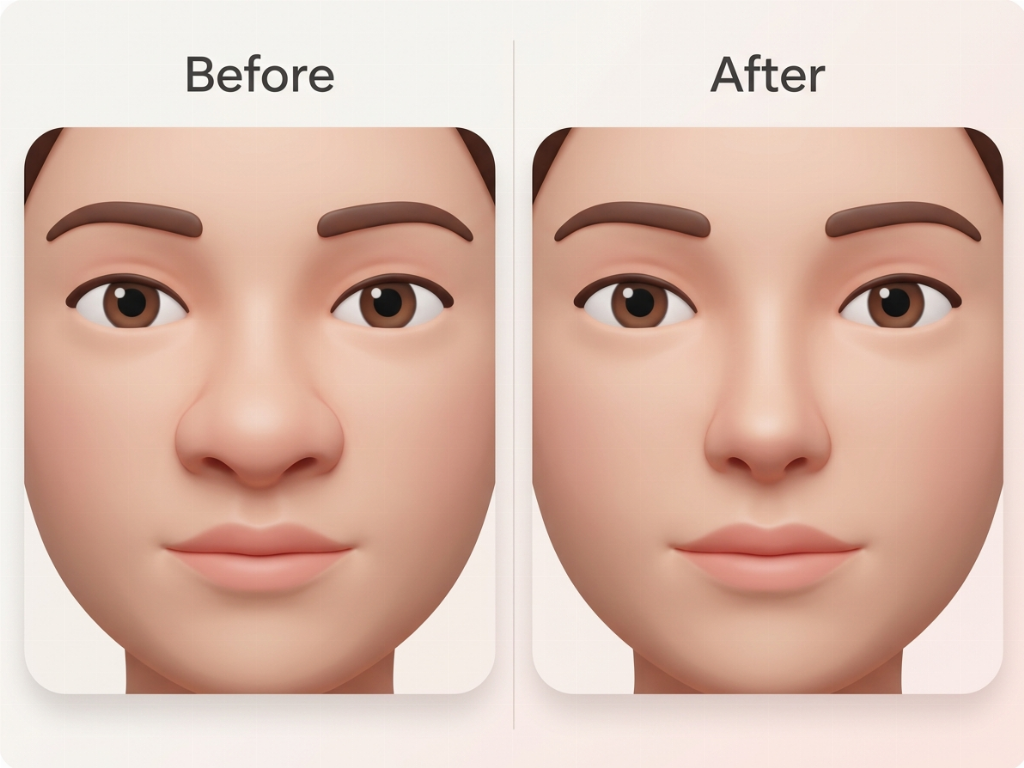
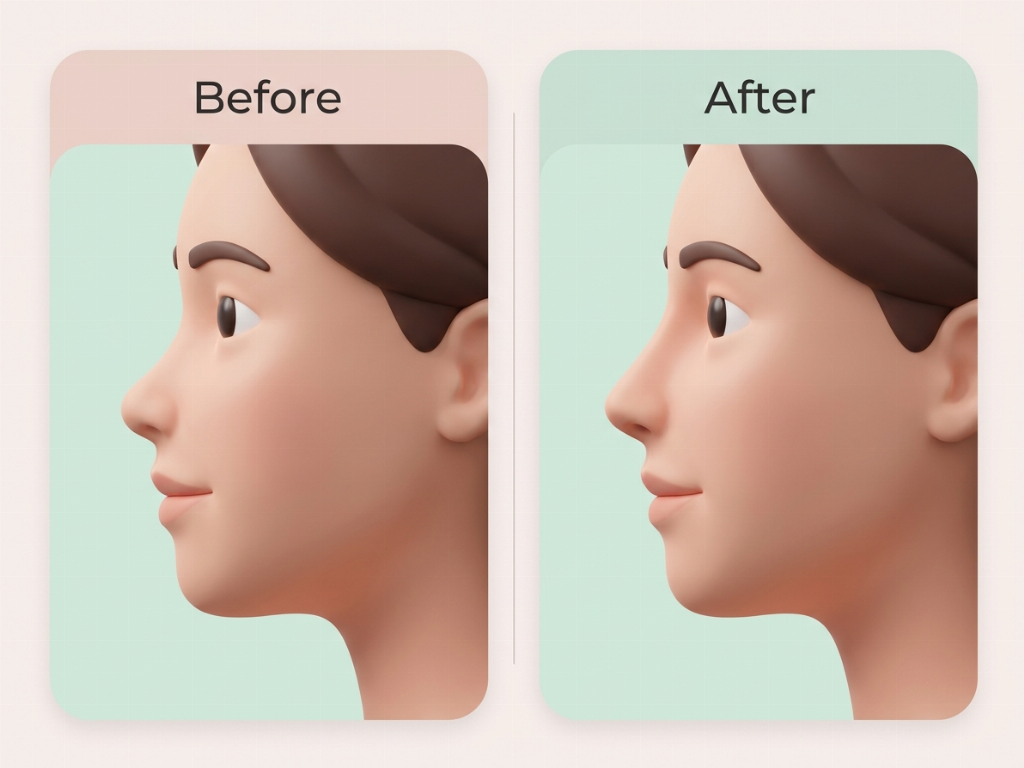
Rhinoplasty, commonly known as a nose job, is a sophisticated surgical procedure designed to modify the shape, size, and proportions of the nose. In South Korea, the approach often focuses on structural refinement, utilizing a combination of autologous cartilage (from the septum, ear, or rib) and biocompatible implants to create a balanced profile that complements the patient's unique facial features.
The surgery can be performed via an open or closed approach. The open method involves a small incision across the columella (the tissue between the nostrils) for maximum visibility, while the closed method places incisions inside the nostrils. Surgeons address various concerns, including a low nasal bridge, a bulbous tip, a dorsal hump, or a deviated septum that causes breathing difficulties.
Expected Results
The primary goal of rhinoplasty is to achieve a nose that looks natural and functions well. Results are typically long-lasting, though the final shape may take up to a full year to stabilize as residual swelling gradually subsides. Patients can expect improved definition of the nasal tip, a smoother or more elevated bridge, and better overall facial symmetry.
It is important to note that while the structural changes are significant, the skin and soft tissues must adapt to the new framework. Realistic expectations are vital; the procedure aims for improvement rather than absolute perfection. A consultation with a board-certified surgeon is necessary to determine the most achievable outcome based on your specific anatomy.
Why Korea & Cost
South Korea is globally recognized for its expertise in Asian rhinoplasty, where surgeons have pioneered techniques for augmenting the nasal bridge and refining the tip without compromising structural integrity. Korean clinics often utilize 3D-CT scanning technology to analyze internal bone and cartilage structures before surgery, ensuring a high level of precision and safety.
The cost of rhinoplasty in Korea varies significantly based on the complexity of the case, such as whether it is a primary surgery or a revision, and the type of materials used (e.g., rib cartilage vs. silicone). A personalized consultation is required to provide an exact quote, as factors like anesthesia fees and specialized aftercare programs are also considered.
Recovery & Aftercare
The initial recovery phase usually lasts about one to two weeks. During the first few days, a nasal splint and internal packing may be used to support the new structure. Swelling and bruising around the eyes are common and typically peak within 48 to 72 hours before gradually fading. Most patients feel comfortable returning to non-strenuous work after the splint is removed, usually around day seven.
Long-term healing requires patience. While the majority of swelling disappears within the first month, the very tip of the nose can retain minor fluid for several months. Following all post-operative instructions, such as sleeping with the head elevated and avoiding glasses that rest on the bridge, is crucial for an optimal recovery process.
Who Is It For?
- Individuals with a low or flat nasal bridge
- Those with a bulbous, drooping, or wide nasal tip
- Patients with a prominent dorsal hump or crooked nose
- Individuals seeking to correct breathing issues like a deviated septum
- Healthy adults with realistic aesthetic expectations
Benefits
- Aims to provide natural-looking results through advanced cartilage grafting
- Improves facial balance and profile proportions
- Can address both aesthetic concerns and functional breathing issues
- Utilizes precise 3D-CT imaging for customized surgical planning
- Offers various material options tailored to individual needs
How It's Done
- Pre-operative 3D-CT scanning and facial analysis
- Administration of general anesthesia or deep sedation
- Incision placement (open or closed approach)
- Reshaping of bone and cartilage framework
- Placement of grafts or implants for augmentation
- Closure of incisions and application of a protective splint
Risks & Side Effects
- Infection or adverse reaction to anesthesia
- Persistent swelling or delayed wound healing
- Implant-related complications such as displacement, extrusion, or contracture
- Asymmetry or dissatisfaction with the aesthetic outcome
- Nasal septal perforation or breathing obstructions
Recovery
- Nasal splint and bandages are typically removed after 7 days
- Major swelling and bruising usually subside within 2 weeks
- Avoid strenuous exercise and heavy lifting for at least 4 weeks
- Final results emerge gradually over 6 to 12 months
- Avoid wearing heavy glasses directly on the nasal bridge for 4-6 weeks
Aftercare
- Keep the head elevated while sleeping to minimize swelling
- Apply cold compresses around the eyes (not directly on the nose)
- Clean the incision site gently as instructed by the clinic
- Attend all scheduled follow-up appointments for stitch removal
- Avoid blowing the nose forcefully during the initial healing phase
Precautions
- Discontinue smoking and alcohol for several weeks before and after surgery
- Avoid blood-thinning medications and supplements as advised by the surgeon
- Protect the nose from accidental bumps or trauma
- Limit sun exposure to reduce the risk of long-term skin discoloration
- Follow specific dietary guidelines to manage post-operative inflammation
| Duration | 90-180 min |
|---|---|
| Recovery | 7-21 days |
| Anesthesia | General Anesthesia or Deep Sedation |
| Price Range | approx. $2,220 – $5,930 (based on ₩3,000,000–₩8,000,000) |







 Clinic Introduction
 Medical Facility
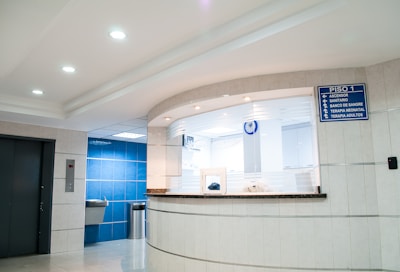 Patient Care
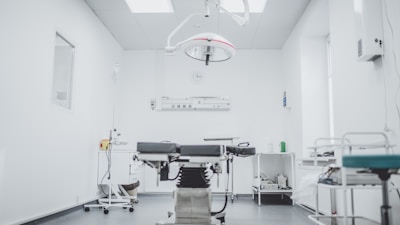 Consultation Room
 Medical Staff
 Recovery Suite
 Treatment Room