Square Jaw Reduction
Overview
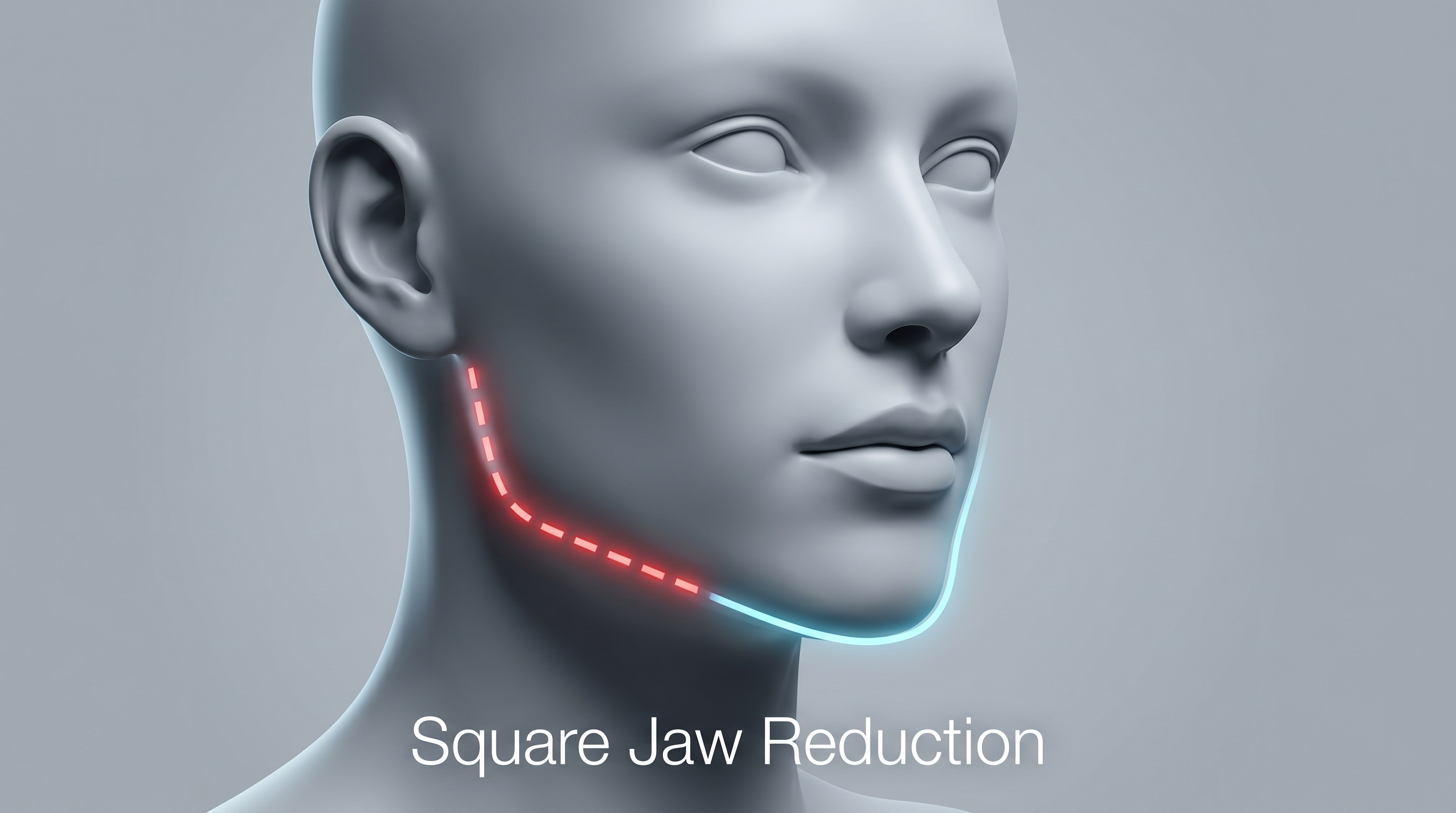
Square jaw reduction, often referred to as mandibular contouring, is a surgical procedure designed to narrow the lower third of the face. It specifically targets a wide or angular jawline caused by a prominent mandibular angle (the corner of the jawbone) or an overdeveloped masseter muscle. Unlike non-surgical treatments that only address the muscle, this surgery provides a fundamental change to the skeletal structure.
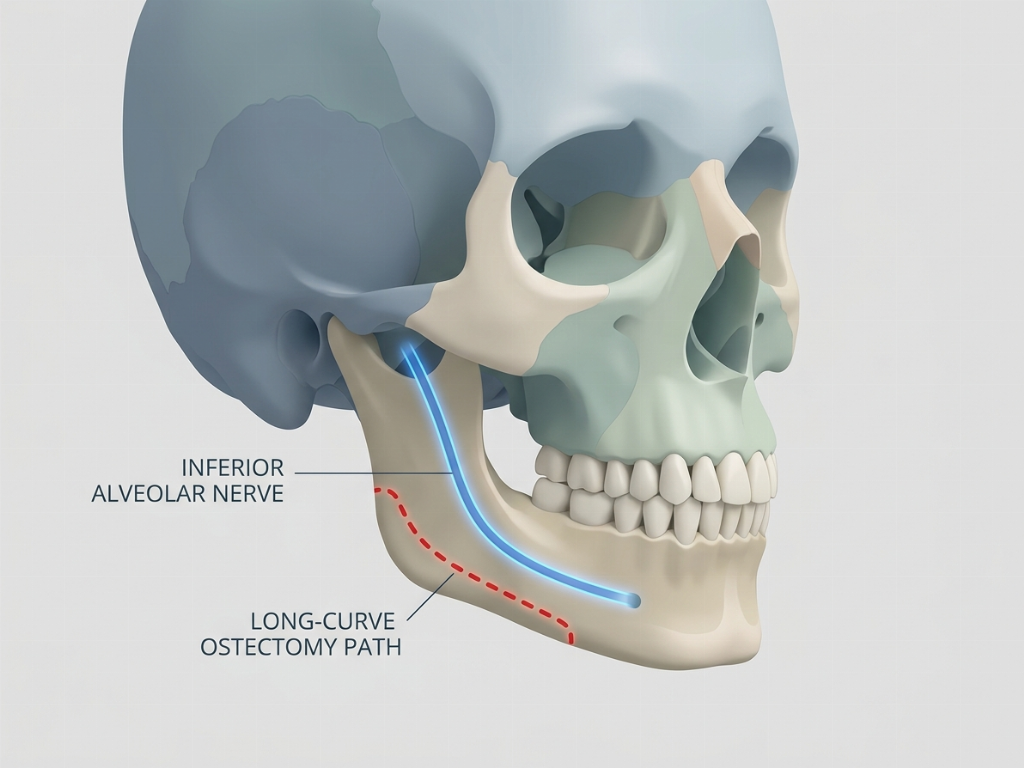
The procedure typically involves a long-curve ostectomy, where the surgeon removes a continuous strip of bone from the jaw angle toward the chin to ensure a smooth, natural transition. In some cases, the outer layer of the bone (cortical bone) is thinned, or the masseter muscle is reduced to further enhance the slimming effect. All incisions are made inside the mouth, leaving no visible external scars.
Expected Results
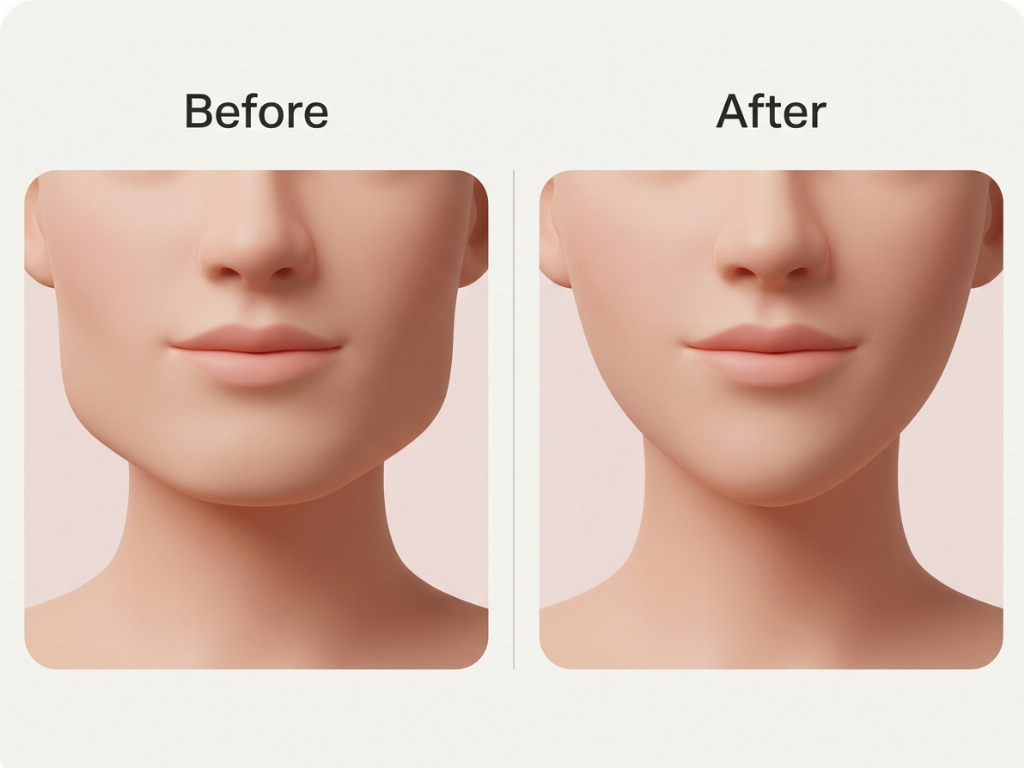
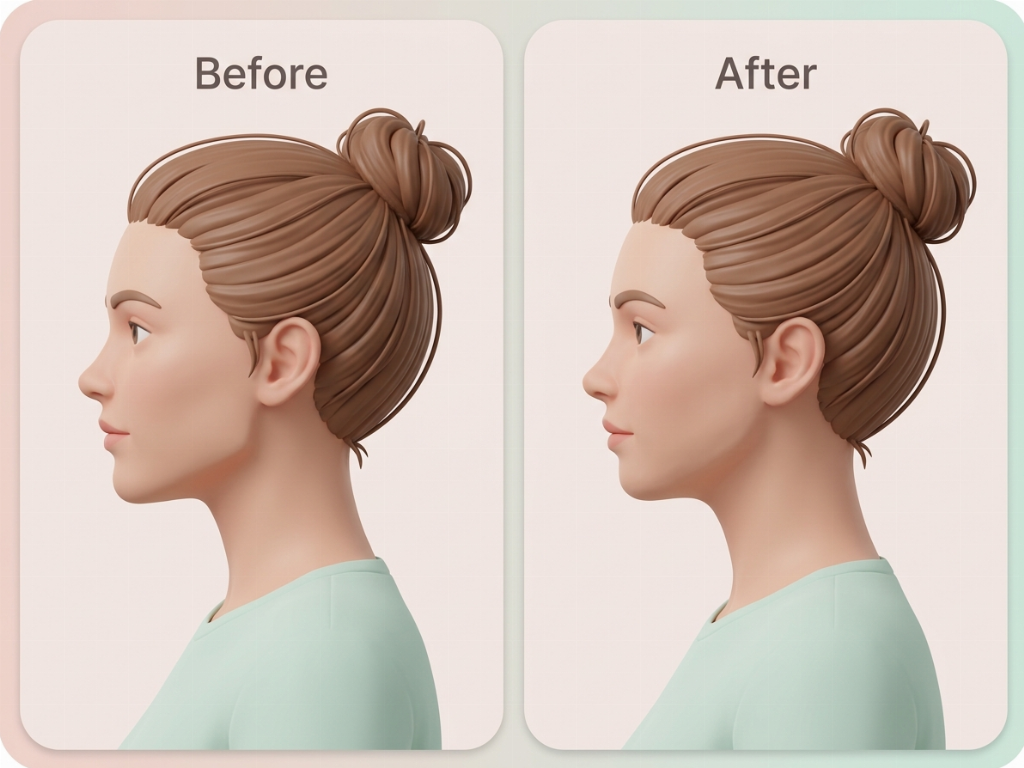
Patients can expect a more refined and balanced facial profile. By softening the sharp angles of the jaw, the face often appears smaller and more feminine or slender. While the bone reshaping is permanent, the final aesthetic result is influenced by how the overlying soft tissue and skin settle over the new framework.
Initial results are often obscured by significant swelling. As the inflammation subsides over several months, the new jawline becomes increasingly defined. It is important to note that while the jaw will be narrower, the surgery is designed to maintain a natural-looking contour that complements the patient's other facial features.
Why Korea & Cost
South Korea is a global leader in facial bone surgery, with surgeons who possess extensive experience in Asian facial anatomy and V-line aesthetics. Korean clinics utilize advanced 3D-CT scanning and digital simulation technology to map nerve pathways, such as the inferior alveolar nerve, ensuring optimal bone reduction while prioritizing patient safety. This precision allows for more predictable outcomes and minimizes the risk of asymmetry.
The cost of square jaw reduction in Korea varies based on the complexity of the case, whether it is combined with chin surgery (genioplasty), and the specific techniques used. Factors such as the surgeon's expertise and the clinic's facility grade also influence the final price. A comprehensive consultation, including diagnostic imaging, is necessary to provide an accurate quote tailored to the individual's needs.
Recovery & Aftercare
Recovery from jaw surgery requires patience and strict adherence to post-operative protocols. For the first few days, patients typically wear a compression bandage to minimize swelling and support the new contours. A liquid or very soft food diet is mandatory during the initial week to prevent irritation of the internal incisions and to allow the jaw to rest.
Most patients can return to non-strenuous work within two weeks, though residual swelling may persist for several months. Specialized aftercare in Korea often includes deswelling treatments such as LED light therapy or lymphatic drainage massage to accelerate the healing process. Full bone healing and the final settling of soft tissues can take up to six to twelve months.
Who Is It For?
- Individuals with a wide or square-shaped lower face
- Those with a prominent or protruding mandibular angle
- Patients with facial asymmetry in the jaw area
- Individuals seeking a slimmer V-line facial contour
- Healthy adults with realistic expectations for bone surgery
Benefits
- Permanent bone reshaping for a narrower jawline
- Improved facial proportions and symmetry
- No visible external scarring due to intraoral incisions
- Softens a harsh or overly masculine jaw appearance
- Enhanced profile from both front and side views
How It's Done
- Pre-operative 3D-CT imaging and nerve mapping
- Administration of general anesthesia
- Intraoral incisions made along the gum line
- Long-curve ostectomy to remove excess jawbone
- Cortical bone resection or muscle reduction if needed
- Suturing of incisions and application of compression wrap
Risks & Side Effects
- Inferior Alveolar Nerve damage leading to numbness
- Temporary or permanent loss of sensation in the lower lip and chin
- Post-operative infection or hematoma
- Asymmetry requiring secondary correction
- General anesthesia complications
Recovery
- Hospital stay of 1 night is typically required
- Liquid diet for the first 7 days is essential
- Major swelling peaks at 48-72 hours post-surgery
- Stitches are usually removed or dissolve within 14 days
- Most patients return to daily activities after 2 weeks
Aftercare
- Wear the compression garment as instructed by the surgeon
- Rinse mouth frequently with antiseptic solution to prevent infection
- Sleep with the head elevated to reduce facial swelling
- Avoid strenuous exercise and heavy lifting for 4-6 weeks
- Attend all scheduled follow-up scans and check-ups
Precautions
- Avoid smoking and alcohol for at least one month
- Do not use straws as the suction can disrupt healing incisions
- Avoid hard, chewy, or spicy foods during early recovery
- Report any sudden increase in pain or swelling to the clinic
- Refrain from saunas and hot baths for several weeks
| Duration | 90-180 min |
|---|---|
| Recovery | 14-42 days |
| Anesthesia | General anesthesia |
| Price Range | approx. $2,960 – $7,410 (based on ₩4,000,000–₩10,000,000) |








 Clinic Introduction
 Medical Facility
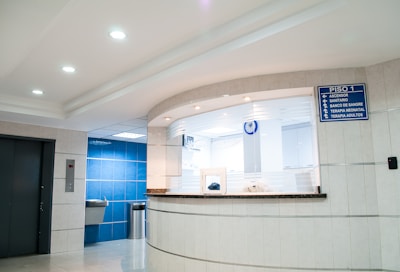 Patient Care
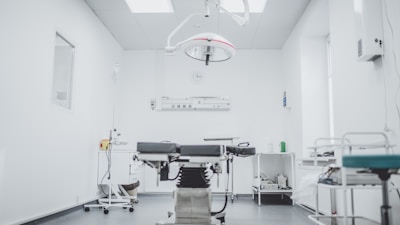 Consultation Room
 Medical Staff
 Recovery Suite
 Treatment Room