Trans Therapy
Overview
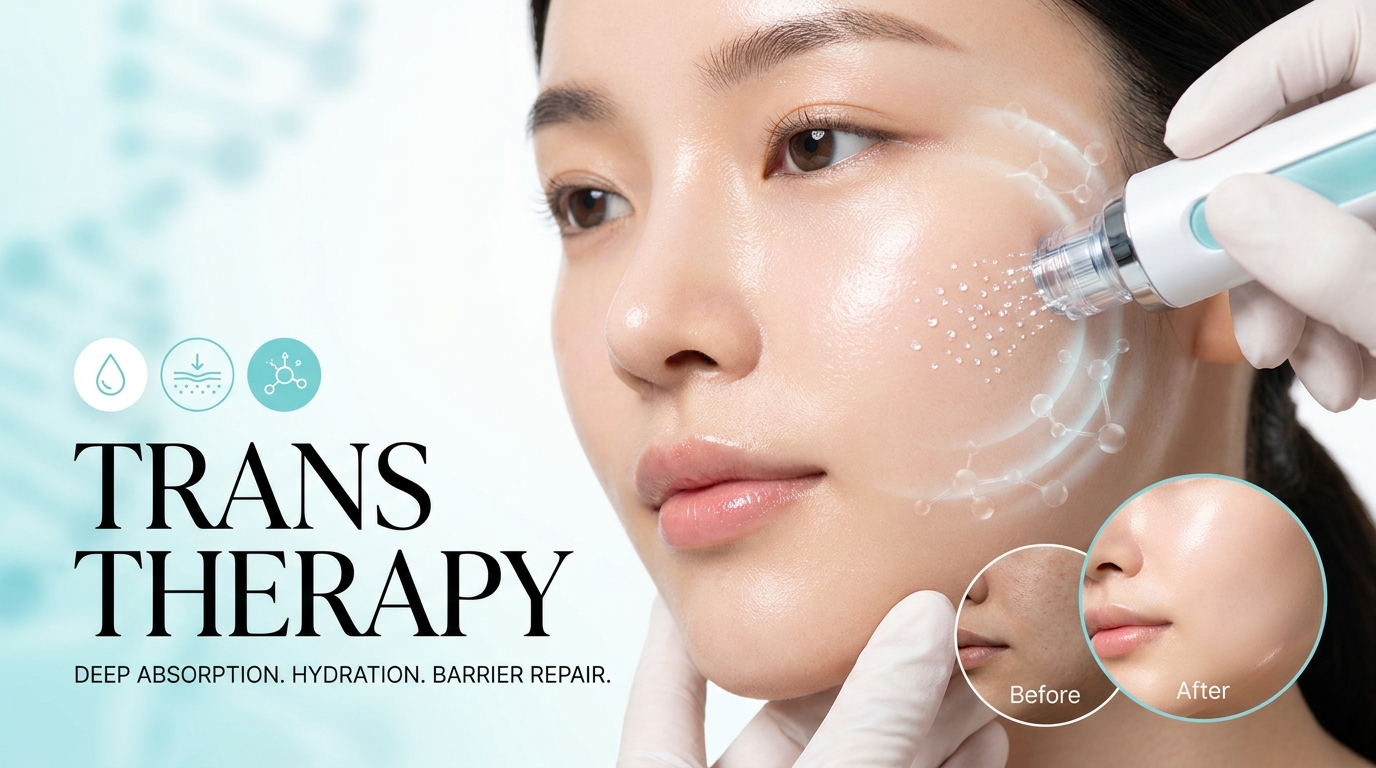
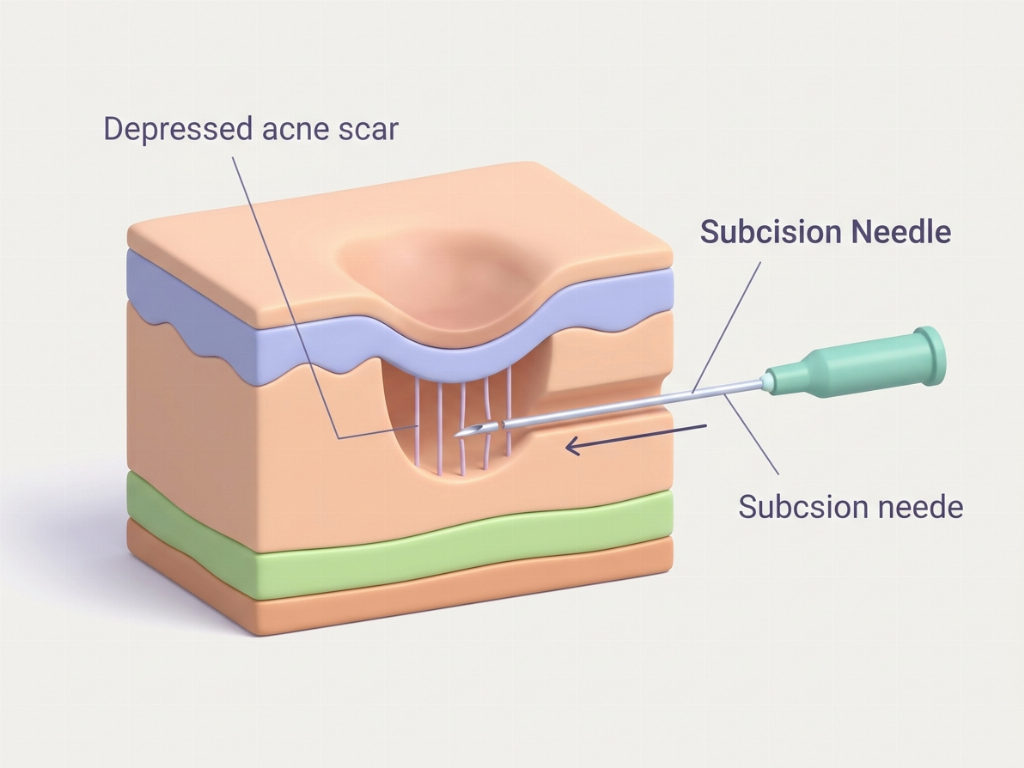
Trans Therapy is a targeted dermatological procedure designed primarily for deep, tethered acne scars and significant skin texture irregularities. Unlike standard laser treatments that work from the surface down, Trans Therapy focuses on the dermal layer. It utilizes a specialized needle technique to perform subcision, which physically breaks the tough fibrous bands that pull the skin downward and create the 'pitted' appearance of scars.
By releasing these internal anchors and creating controlled micro-trauma, the procedure triggers the body's natural wound-healing response. This process encourages the production of new collagen and elastin to fill the depressions from within. While it is a powerful tool for structural skin remodeling, it is important to note that results vary based on individual healing capacity and the severity of the scarring.
Expected Results
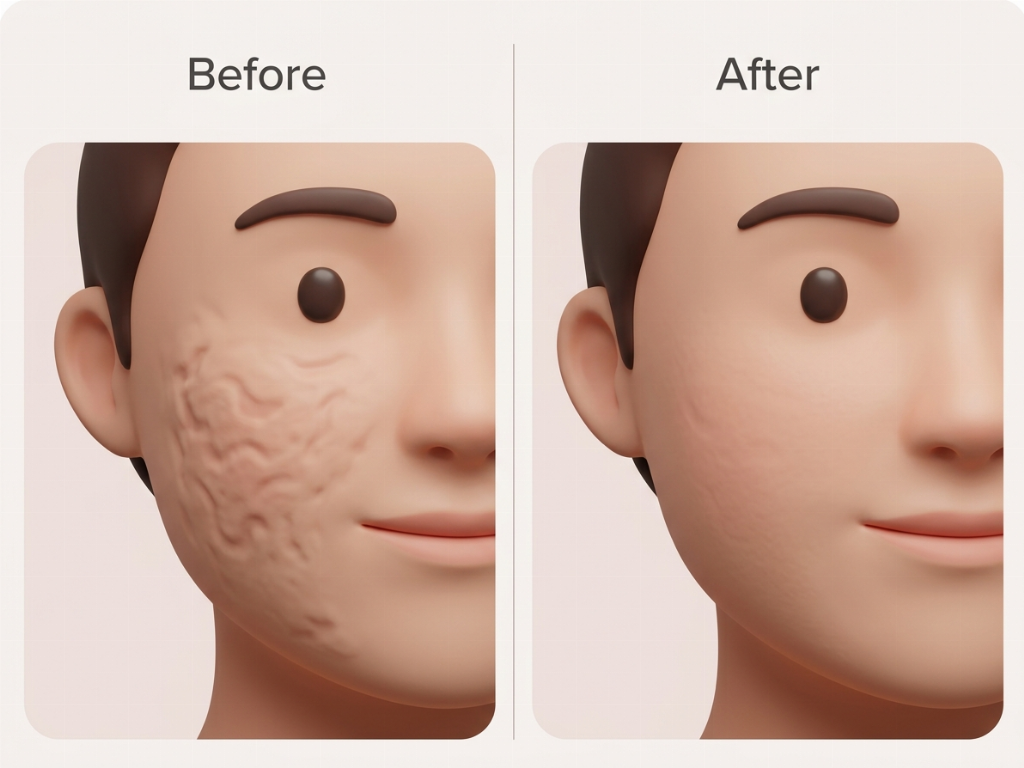
Patients can expect a gradual improvement in the depth and visibility of indented scars, such as boxcar or rolling scars. Because the treatment relies on biological collagen synthesis, the final results are not immediate and typically become more apparent over several months. The skin surface often appears smoother and more even as the depressions are lifted.
While Trans Therapy can provide significant structural improvement where surface-level lasers may fall short, it is rarely a 'one-time' fix. Most patients require a series of sessions to achieve their desired outcome. It is also common to combine this therapy with other modalities, such as fractional lasers or skin boosters, to address both the deep structure and the surface pigment of the skin.
Why Korea & Cost
South Korea is a global leader in scar revision technology, with many clinics specializing in complex 'combination therapies' for Asian skin types, which are more prone to post-inflammatory hyperpigmentation (PIH). Korean dermatologists are highly experienced in manual subcision techniques, focusing on minimizing damage to surrounding healthy skin while effectively releasing scar tissue. Many clinics also utilize proprietary needle designs or specialized serums to enhance the regenerative effect.
The cost of Trans Therapy in Korea depends on several factors, including the total surface area being treated, the depth of the scarring, and whether the procedure is bundled with other treatments like PRP or laser resurfacing. A personalized consultation with a board-certified specialist is necessary to determine the exact number of sessions required and provide a specific price quote.
Recovery & Aftercare
The recovery period for Trans Therapy is more intensive than standard facials due to the mechanical nature of the treatment. Immediately following the procedure, the skin will exhibit redness, swelling, and potentially localized bruising where the subcision occurred. These side effects typically peak within the first 48 hours and gradually subside over 7 to 14 days.
During the healing phase, protecting the skin barrier is critical. Patients must avoid direct sun exposure and use high-quality regenerative creams to support tissue repair. It is normal for the skin to feel slightly bumpy or firm during the first week as the internal healing process begins. Following the prescribed aftercare routine is essential to prevent complications and ensure the best possible aesthetic outcome.
Who Is It For?
- Individuals with deep rolling or boxcar acne scars
- Those with tethered scars that do not respond to surface lasers
- Patients seeking structural skin remodeling rather than just surface peeling
- Individuals with realistic expectations regarding multi-session treatment plans
- Those able to accommodate a 1-2 week social recovery period
Benefits
- Physically releases deep fibrous bands that cause skin pitting
- Stimulates natural collagen production from within the dermis
- Improves skin texture and reduces the depth of indented scars
- Effective for older, stubborn scars that have matured
- Can be safely combined with other skin rejuvenation treatments
How It's Done
- Deep cleansing of the treatment area and application of topical anesthesia
- Mapping of specific scar sites and fibrous tethering points
- Manual subcision using a specialized needle to release internal scar tissue
- Micro-needling or localized stimulation to trigger collagen synthesis
- Application of a soothing mask or regenerative serum to calm the skin
Risks & Side Effects
- Temporary redness, swelling, and localized bruising
- Potential for temporary or permanent skin irregularities or small nodules
- Risk of post-inflammatory hyperpigmentation (PIH)
- Infection if post-procedure hygiene is not maintained
- Incomplete scar correction requiring additional sessions
Recovery
- Redness and swelling are common for the first 3-5 days
- Bruising at subcision sites may last up to 10-14 days
- Tiny scabs or crusting may form and should be allowed to fall off naturally
- Most patients return to social activities after 7 days with light makeup
- Full collagen remodeling continues for 3-6 months post-treatment
Aftercare
- Apply prescribed regenerative or antibiotic ointment as directed
- Use a gentle, non-irritating cleanser for the first week
- Strictly avoid sun exposure and apply broad-spectrum SPF daily
- Avoid strenuous exercise, saunas, and swimming for at least 7 days
- Do not use active ingredients like Retinol or Vitamin C until fully healed
Precautions
- Discontinue blood-thinning supplements one week before treatment
- Inform the doctor of any history of keloid scarring
- Avoid alcohol and smoking for several days before and after the procedure
- Do not pick or scratch at any scabs or treated areas
- Ensure the skin is free of active cystic acne before the session
| Duration | 30-90 min |
|---|---|
| Recovery | 5-14 days |
| Anesthesia | Topical anesthesia |
| Price Range | Consultation required |


 Clinic Introduction
 Medical Facility
 Patient Care
 Consultation Room
 Medical Staff
 Recovery Suite
 Treatment Room