Allergy Treatment
Overview
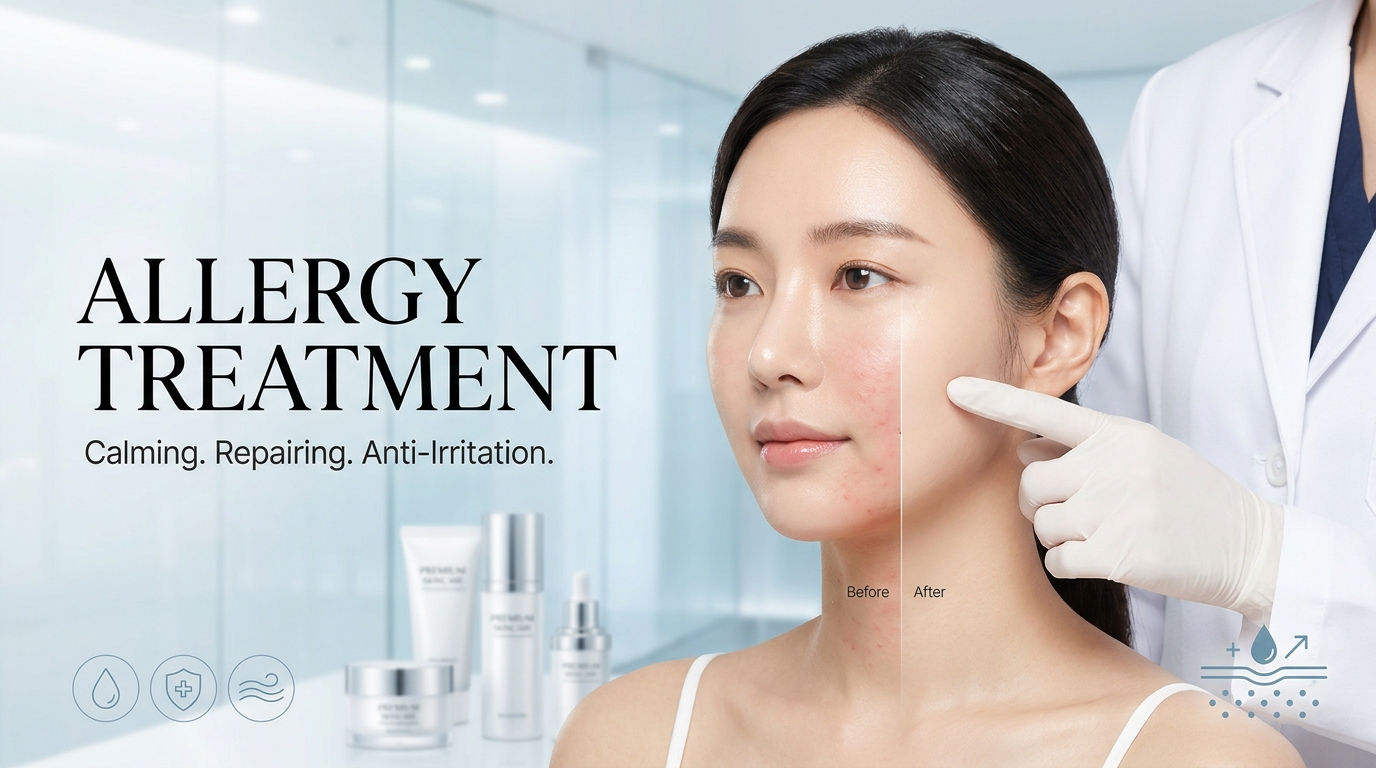
Allergy treatment in a dermatological context focuses on identifying environmental or chemical triggers and managing the resulting skin inflammation. This typically begins with diagnostic tools such as the MAST (Multiple Allergen Simultaneous Test), which screens for dozens of allergens via a blood sample, or patch testing to identify contact dermatitis triggers.
Once the cause is identified, the treatment plan shifts to stabilizing the skin barrier. This often involves medical-grade soothing therapies like LDM (Local Dynamic Micro-massage) or specialized LED light therapy, which help reduce redness and itching without the use of invasive measures. These procedures are designed to lower skin sensitivity and improve the natural defense mechanisms of the dermis.
Expected Results
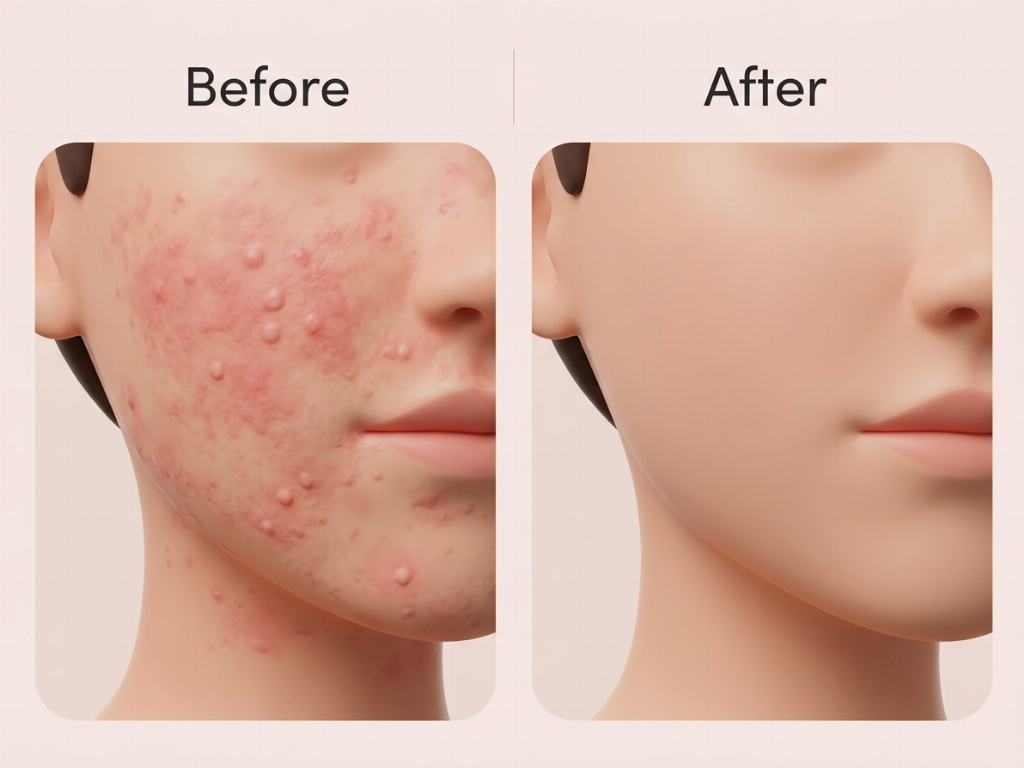
The primary goal of allergy treatment is the reduction of acute symptoms such as hives, itching, and inflammatory redness. Patients can expect a clearer understanding of their specific triggers, allowing for long-term lifestyle adjustments. While the diagnostic phase provides data, the therapeutic phase aims to restore a calm, even-toned complexion.
For those with chronic sensitivity, these treatments help thicken the skin's moisture barrier over time. While individual results vary based on the severity of the allergy, most patients see a visible reduction in surface irritation and a decrease in the frequency of flare-ups after a series of targeted soothing sessions.
Why Korea & Cost
South Korea has a high concentration of clinics specializing in sensitive skin concerns, driven by a local population that prioritizes skin health. Korean dermatologists are highly experienced in distinguishing between standard acne and complex allergic reactions, often utilizing the latest diagnostic kits that provide rapid, comprehensive results for international patients.
Cost is determined by the breadth of the diagnostic panel and the type of soothing equipment used. A consultation is necessary to provide an exact quote, as some patients may only require a blood test, while others may opt for aesthetic add-ons like PDRN or exosome therapy to improve skin texture following an allergic episode. These regenerative options are available as supplementary treatments to support overall skin resilience.
Recovery & Aftercare
Recovery from allergy testing and non-invasive soothing treatments is minimal. Diagnostic blood tests require no downtime, while patch tests may require keeping the area dry for 48 hours. Soothing laser or ultrasound therapies typically result in a refreshed appearance with no significant peeling or irritation.
Post-treatment care focuses on maintaining a hypoallergenic environment. Patients are advised to use fragrance-free, medical-grade moisturizers provided by the clinic and to avoid extreme temperature changes. Because the skin is in a reactive state, strict sun protection is essential to prevent post-inflammatory hyperpigmentation in areas previously affected by rashes.
Who Is It For?
- Individuals with unexplained chronic skin redness or itching
- Patients suspected of having contact dermatitis or food allergies
- Those with a compromised skin barrier and high sensitivity
- International travelers seeking rapid, comprehensive allergy panels
- Individuals looking for non-steroidal ways to manage skin inflammation
Benefits
- Accurate identification of specific environmental triggers
- Reduction in visible skin inflammation and swelling
- Strengthening of the natural skin moisture barrier
- Personalized skincare plans based on diagnostic data
- Access to advanced non-invasive soothing technologies
How It's Done
- Initial consultation and review of medical history
- Diagnostic testing via MAST blood test or skin patch application
- Analysis of results to identify specific allergens
- Application of soothing LDM or LED therapy to calm the skin
- Prescription of hypoallergenic topical care and lifestyle guidance
Risks & Side Effects
- Temporary localized redness at the blood draw site
- Potential for a controlled allergic reaction during patch testing
- Inconclusive results if antihistamines were taken recently
- Mild, transient skin warmth after ultrasound therapy
Recovery
- No downtime required for most diagnostic tests
- Redness from soothing therapies typically fades within 1-3 days
- Patch test sites must remain dry for approximately 48 hours
- Normal activities can be resumed immediately after most sessions
Aftercare
- Apply only clinic-approved, fragrance-free moisturizers
- Avoid hot saunas, steam rooms, and vigorous exercise for 48 hours
- Use broad-spectrum SPF 50+ sunscreen daily
- Discontinue use of harsh exfoliants or retinol during recovery
- Follow the specific avoidance diet if food allergies are identified
Precautions
- Discontinue antihistamines 3-7 days before testing if advised
- Inform the doctor of any history of anaphylaxis
- Avoid scratching or rubbing reactive areas of the skin
- Bring a list of current skincare products for ingredient review
| Duration | 30-90 min |
|---|---|
| Recovery | 5-14 days |
| Anesthesia | No anesthesia |
| Price Range | Consultation required |


 Clinic Introduction
 Medical Facility
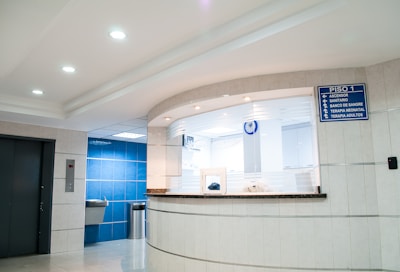 Patient Care
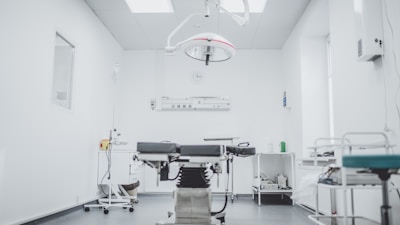 Consultation Room
 Medical Staff
 Recovery Suite
 Treatment Room