Atopic Dermatitis Treatment
Overview
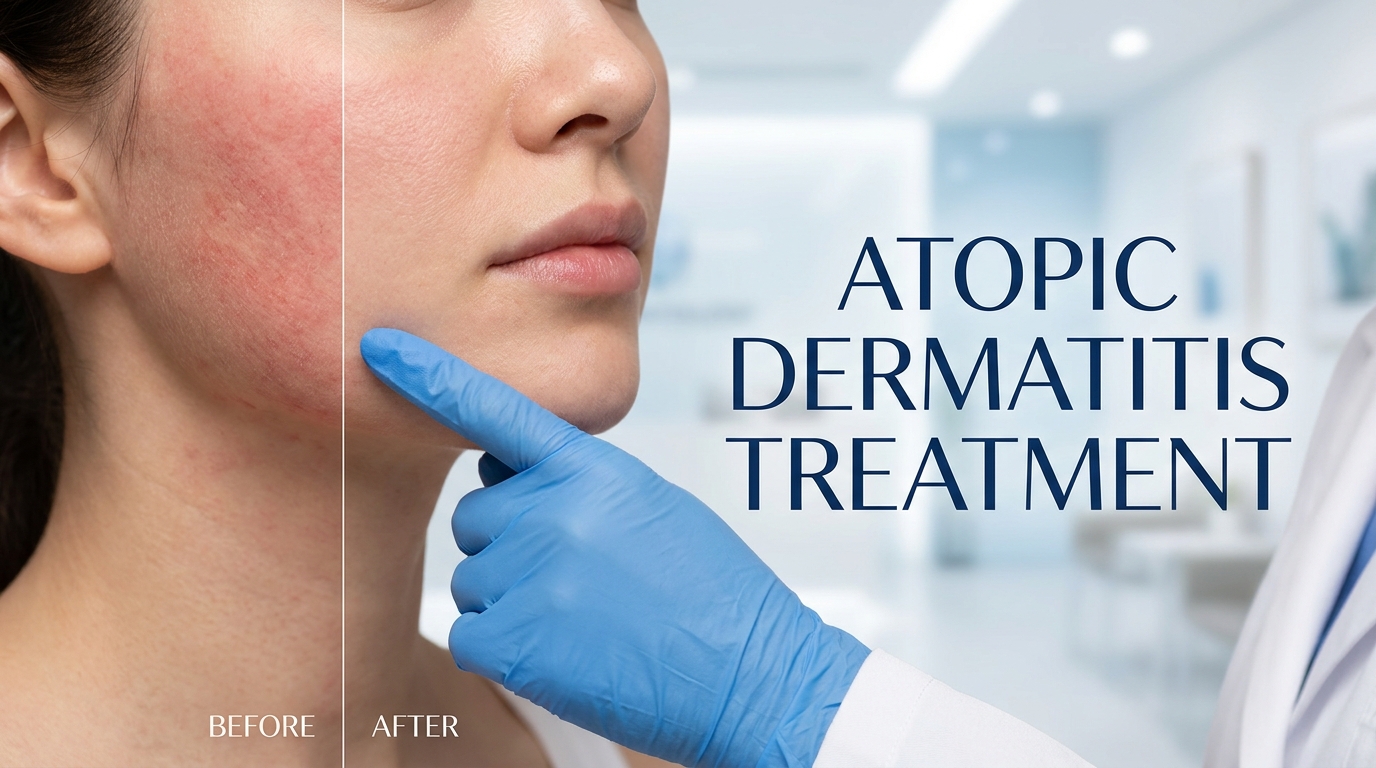
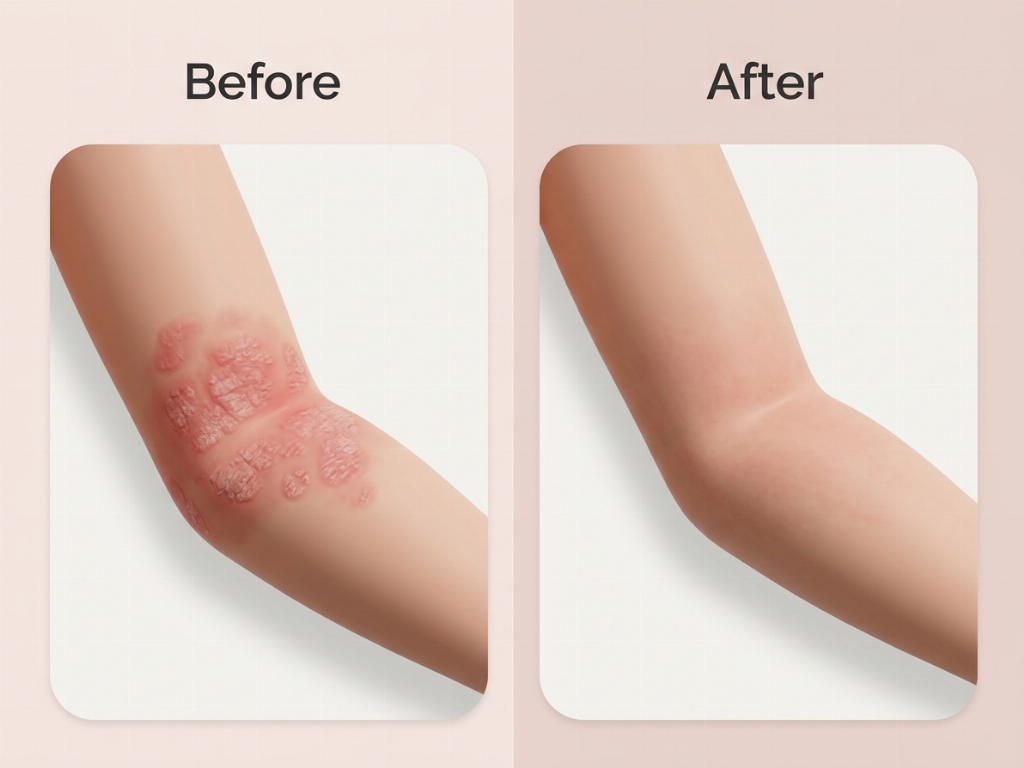
Atopic dermatitis, commonly known as eczema, is a chronic inflammatory skin condition characterized by a compromised skin barrier, intense itching, and recurrent flare-ups. Treatment in a clinical setting goes beyond standard over-the-counter moisturizers, focusing on stabilizing the immune response and repairing the outermost layer of the skin. In South Korea, dermatologists utilize a multi-modal approach that may include targeted narrowband UVB phototherapy, medical-grade wet wrap therapy, and the latest biologic injections (such as Dupilumab) that specifically target the underlying inflammatory pathways.
Unlike generic skincare, these medical treatments are supervised by board-certified specialists who assess the skin's current state—whether it is in an acute weeping phase or a chronic thickened (lichenified) phase. The goal is to reduce the frequency of flares and improve the skin's natural ability to retain moisture without the use of harsh chemicals or irritants.
Expected Results
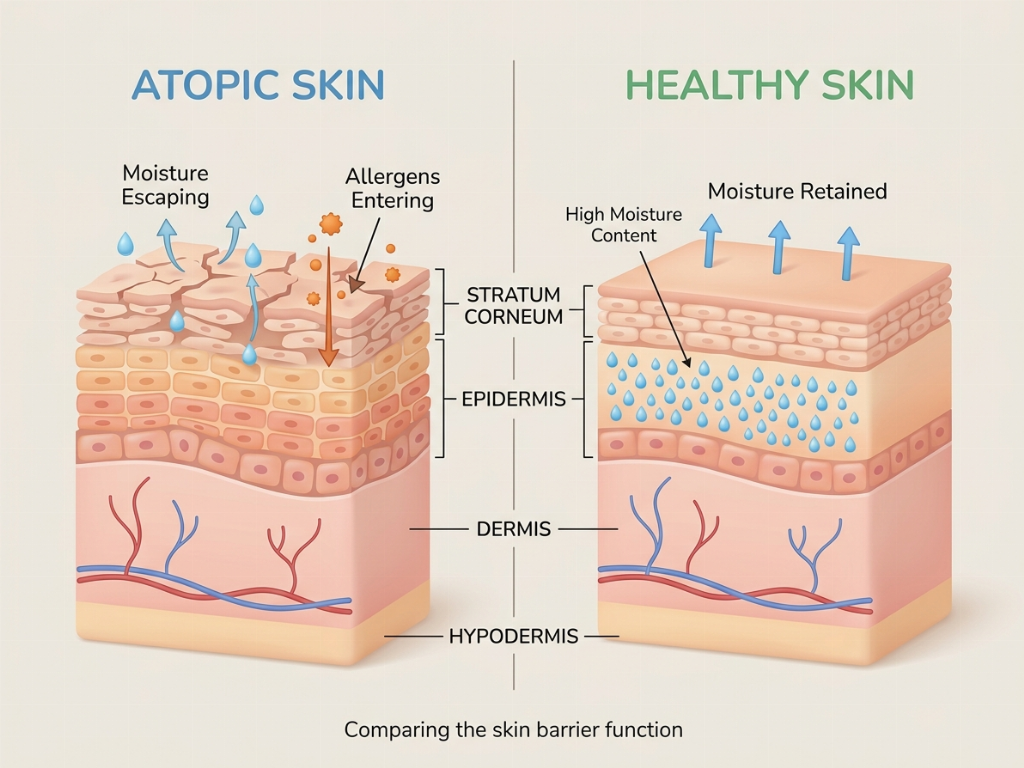
The primary objective of clinical treatment is to break the 'itch-scratch cycle' and allow the skin barrier to heal. While results vary significantly based on the severity of the condition, many patients observe a gradual reduction in pruritus (itching) and a softening of dry, scaly patches over several weeks. It is important to note that atopic dermatitis is a chronic condition; treatment aims for long-term management and 'clear skin' periods rather than a permanent cure.
With consistent phototherapy or biologic treatment, the visible redness and inflammation typically begin to subside. Over time, the skin may regain a smoother texture and more even tone as the chronic inflammation is brought under control. Patients are encouraged to maintain a strict medical moisturizing regimen to sustain these improvements.
Why Korea & Cost
South Korea is a global leader in dermatological research, offering early access to advanced biologic therapies and specialized phototherapy equipment. Korean clinics are particularly well-versed in treating Asian skin types, which can be more prone to post-inflammatory hyperpigmentation following eczema flares. Many facilities offer medical-grade cleansing and soothing programs specifically designed for hypersensitive skin, ensuring that the skin is prepared for treatment without the risk of irritation associated with standard 'scaling' or exfoliation procedures.
The cost of atopic dermatitis treatment in Korea depends on the chosen modality, the frequency of sessions (especially for light therapy), and the specific medications or biologics prescribed. A comprehensive consultation with a specialist is necessary to determine the appropriate treatment plan and provide an accurate cost estimate based on the patient's unique needs.
Recovery & Aftercare
Recovery from clinical eczema treatments is generally focused on protecting the newly stabilized skin barrier. Following phototherapy, some patients may experience temporary dryness or a mild warmth in the treated area, which usually resolves within a few days. If biologic injections are used, there is typically no downtime, though localized injection site reactions can occur. It is crucial to avoid hot showers, harsh soaps, and abrasive fabrics during this period.
Long-term success depends heavily on post-treatment aftercare. This involves the consistent application of physician-prescribed emollients and avoiding known environmental triggers. Because the skin remains sensitive, patients are advised to use fragrance-free, hypoallergenic products and maintain a stable indoor humidity level to prevent the skin from drying out.
Who Is It For?
- Individuals with moderate to severe eczema unresponsive to standard creams
- Patients experiencing chronic itching that interferes with sleep or daily life
- Those seeking advanced biologic therapies or targeted phototherapy
- Individuals with a compromised skin barrier and frequent skin infections
- Patients looking for a medically supervised long-term management plan
Benefits
- Reduction in the intensity and frequency of itching
- Healing of visible skin lesions and inflammatory redness
- Strengthening of the natural skin moisture barrier
- Access to advanced medical-grade topical and systemic treatments
- Personalized management plans from board-certified dermatologists
How It's Done
- Comprehensive skin analysis and identification of triggers
- Medical-grade gentle cleansing of the affected areas
- Application of targeted therapy (Phototherapy, Topicals, or Biologics)
- Application of specialized medical emollients to lock in moisture
- Detailed briefing on home-care maintenance and trigger avoidance
Risks & Side Effects
- Temporary skin dryness or mild irritation after phototherapy
- Potential for post-inflammatory pigment changes
- Localized sensitivity or redness at injection sites
- Risk of secondary infection if the skin barrier is severely broken
- Variable response rates depending on individual triggers
Recovery
- No significant downtime for most non-invasive treatments
- Mild redness or warmth may persist for 24-48 hours after light therapy
- Skin may feel temporarily dry as the inflammatory cycle resets
- Avoidance of intense heat and sweating for the first few days
- Gradual improvement in skin texture over several weeks
Aftercare
- Apply medical-grade moisturizers at least twice daily
- Use only lukewarm water and soap-free cleansers for bathing
- Avoid scratching or picking at healing skin patches
- Wear soft, breathable cotton clothing to minimize friction
- Maintain a consistent follow-up schedule with the dermatologist
Precautions
- Disclose all known allergies and previous steroid use to the doctor
- Avoid new cosmetic products during the active treatment phase
- Protect treated skin from direct sunlight and UV exposure
- Monitor for signs of infection such as increased warmth or oozing
- Consult a specialist before stopping any prescribed medications
| Duration | 30-90 min |
|---|---|
| Recovery | 5-14 days |
| Anesthesia | No anesthesia |
| Price Range | Consultation required |


 Clinic Introduction
 Medical Facility
 Patient Care
 Consultation Room
 Medical Staff
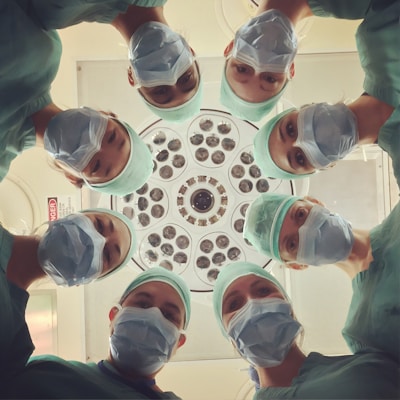 Recovery Suite
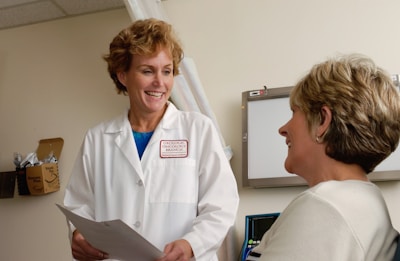 Treatment Room