Buttock Augmentation
Overview
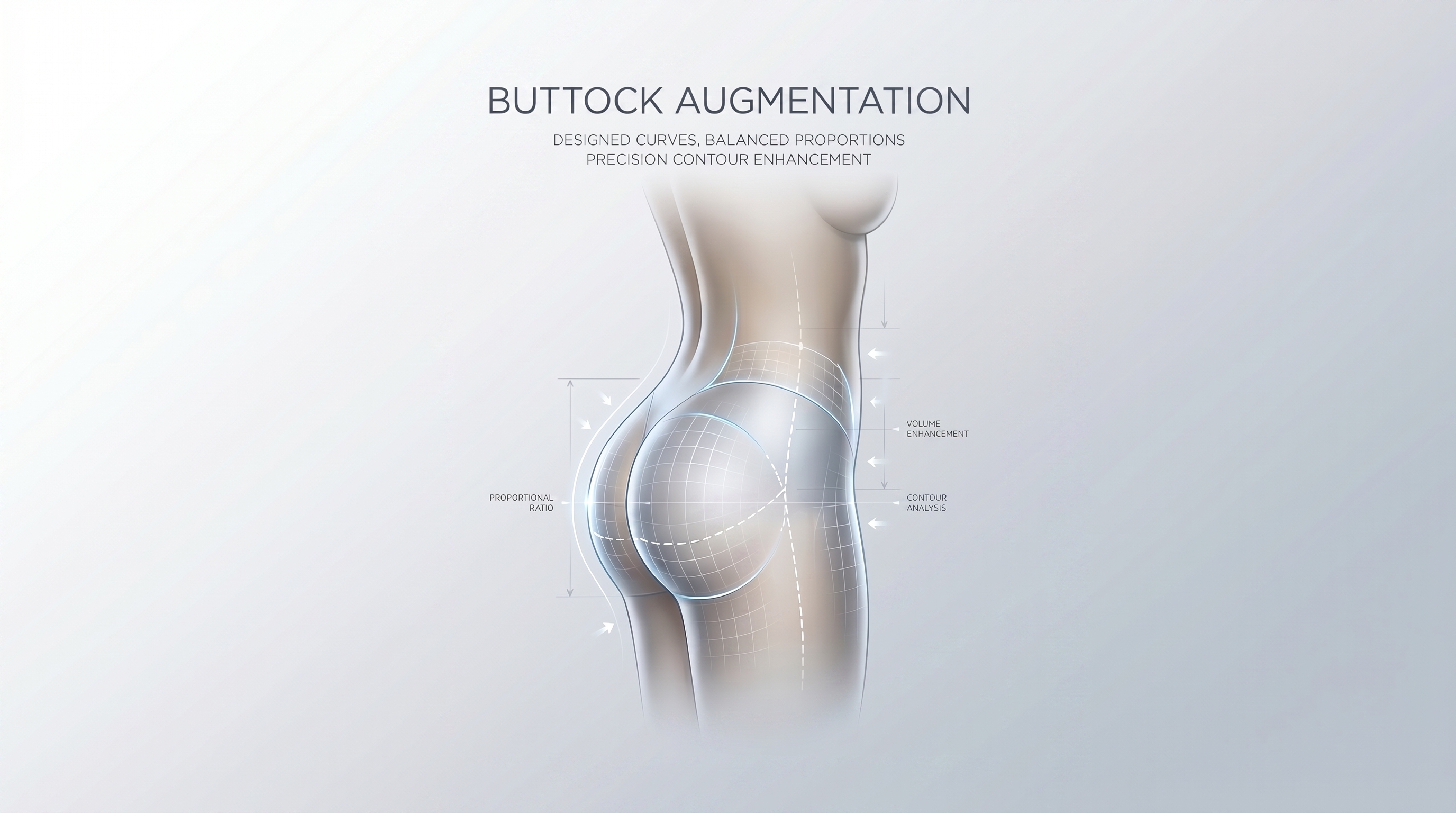
Buttock augmentation is a surgical procedure designed to improve the volume, height, and projection of the gluteal region. There are two primary methods: Brazilian Butt Lift (BBL), which uses the patient's own fat harvested via liposuction, and Gluteal Implants, which involve the surgical placement of silicone-based devices. While BBL is popular for its dual benefit of body contouring and natural-looking results, implants are often preferred for patients with insufficient donor fat.
The choice between fat grafting and implants depends on your existing anatomy, skin elasticity, and aesthetic goals. During a consultation, a board-certified surgeon evaluates the donor fat sites (such as the abdomen or thighs) or determines the appropriate implant size and placement (submuscular or subfascial) to achieve a harmonious silhouette.
Expected Results
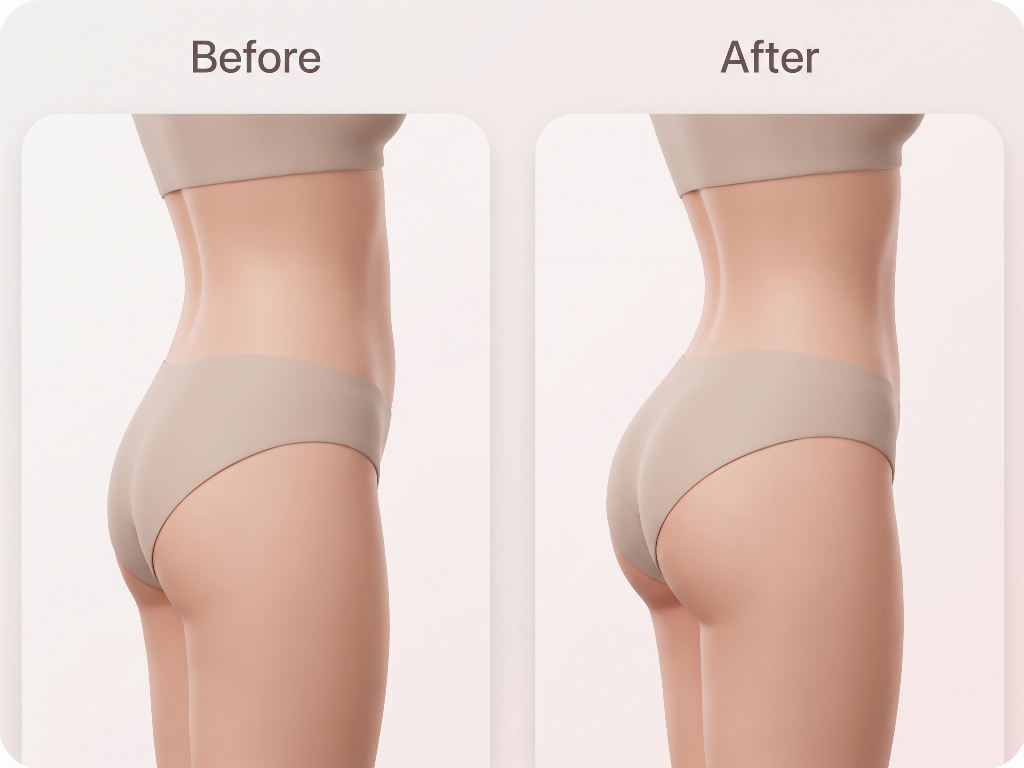
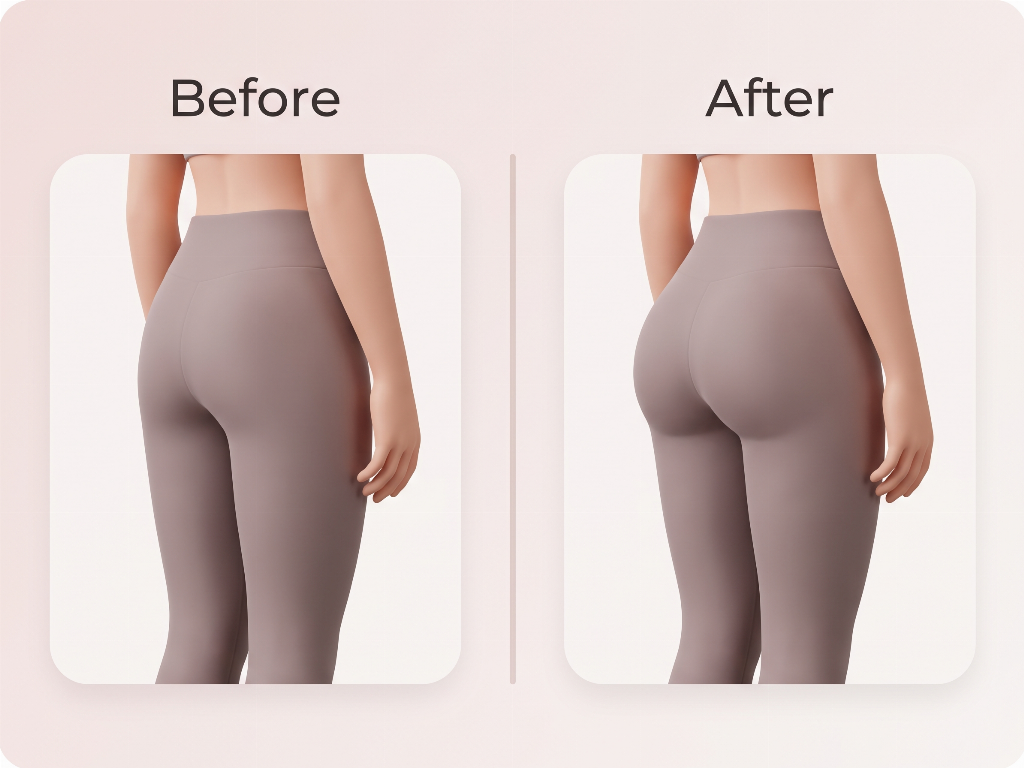
Patients can expect a more pronounced and lifted appearance of the buttocks, which often improves the overall proportions of the waist-to-hip ratio. In the case of a BBL, the results are twofold: a slimmer appearance in the liposuctioned areas and increased fullness in the gluteal zone. It is important to note that in fat grafting, a percentage of the transferred fat is naturally reabsorbed by the body over the first few months.
Final results typically stabilize around six months post-surgery once swelling has fully subsided and the transferred fat or implants have settled. While the outcome can be long-lasting, significant weight fluctuations or the natural aging process can alter the appearance over time. Realistic expectations are key, as the procedure aims for improvement rather than perfection.
Why Korea & Cost
South Korea is a global hub for body contouring, known for surgeons who specialize in high-volume liposuction and precise fat purification techniques. Korean clinics often utilize advanced technologies, such as water-jet or ultrasound-assisted liposuction, to maximize fat cell viability and minimize trauma to the surrounding tissues. Furthermore, many facilities offer comprehensive aftercare programs, including deswelling treatments and specialized massage therapy, to support the healing process.
The cost of buttock augmentation in Korea varies significantly based on the technique used (BBL vs. implants), the volume of fat to be processed, and the complexity of the liposuction required. Additional factors include the surgeon's expertise and the clinic's facility fees. A personalized consultation is necessary to receive an exact quote tailored to your specific surgical plan.
Recovery & Aftercare
Recovery from buttock augmentation requires a commitment to specific postural restrictions. For BBL patients, it is crucial to avoid sitting or lying directly on the buttocks for several weeks to ensure the survival of the grafted fat. Specialized 'BBL pillows' are often used when sitting is unavoidable. For implant patients, the focus is on managing incision healing and avoiding strenuous lower-body movements that could displace the implants.
Regular follow-up appointments are essential to monitor the healing progress and optimize the aesthetic outcome. Surgeons will provide a detailed timeline for returning to work and exercise. Adhering to all post-operative instructions, including wearing compression garments and attending scheduled check-ups, is vital for a smooth recovery and to minimize the risk of complications.
Who Is It For?
- Individuals with flat or asymmetrical buttock shape
- Patients with sufficient donor fat for a BBL procedure
- Those seeking a more balanced waist-to-hip ratio
- Healthy adults with realistic aesthetic expectations
- Non-smokers or those willing to quit during recovery
Benefits
- Enhanced volume and projection of the gluteal region
- Improved body symmetry and clothing fit
- Dual benefit of liposuction in donor areas (for BBL)
- Long-lasting results with proper weight maintenance
- Customizable shape based on individual anatomy
How It's Done
- Administration of general anesthesia or sedation
- Liposuction to harvest fat (BBL) or incision for implants
- Purification and processing of harvested fat cells
- Strategic injection of fat or surgical placement of implants
- Closure of incisions with sutures
- Application of compression garments
Risks & Side Effects
- Deep Vein Thrombosis (DVT) and Pulmonary Embolism (PE)
- Fat embolism (rare but serious)
- Infection or delayed wound healing
- Fat necrosis or oil cysts
- Asymmetry or contour irregularities
- Implant displacement or capsular contracture
Recovery
- Avoid sitting directly on the buttocks for 2-3 weeks
- Wear a medical compression garment 24/7 for 4-6 weeks
- Sleep on your stomach or side to protect the treated area
- Light walking is encouraged early on to prevent blood clots
- Most patients return to non-strenuous work after 14 days
Aftercare
- Use a specialized BBL pillow when sitting is necessary
- Keep incision sites clean and dry as instructed
- Attend all scheduled follow-up and deswelling sessions
- Avoid high-impact exercise for at least 6-8 weeks
- Maintain a stable weight to preserve the results
Precautions
- Discontinue blood-thinning medications before surgery
- Strictly follow the 'no-sitting' rule to ensure fat survival
- Report any sudden calf pain or shortness of breath immediately
- Avoid smoking as it significantly impairs tissue healing
- Do not submerge incisions in water until fully cleared
| Duration | 30-180 min |
|---|---|
| Recovery | 0-21 days |
| Anesthesia | General anesthesia |
| Price Range | Consultation required |




 Clinic Introduction
 Medical Facility
 Patient Care
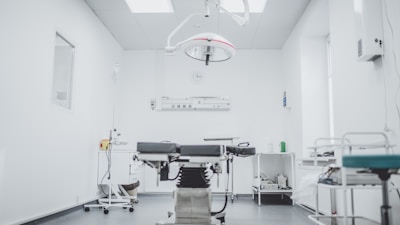 Consultation Room
 Medical Staff
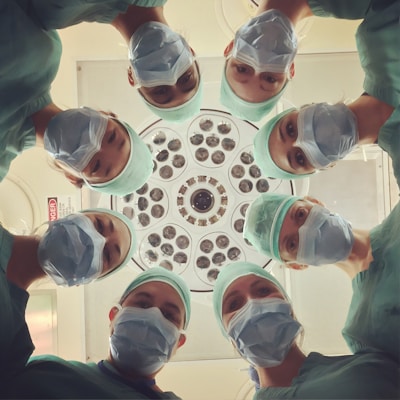 Recovery Suite
 Treatment Room