Revision Liposuction
Overview
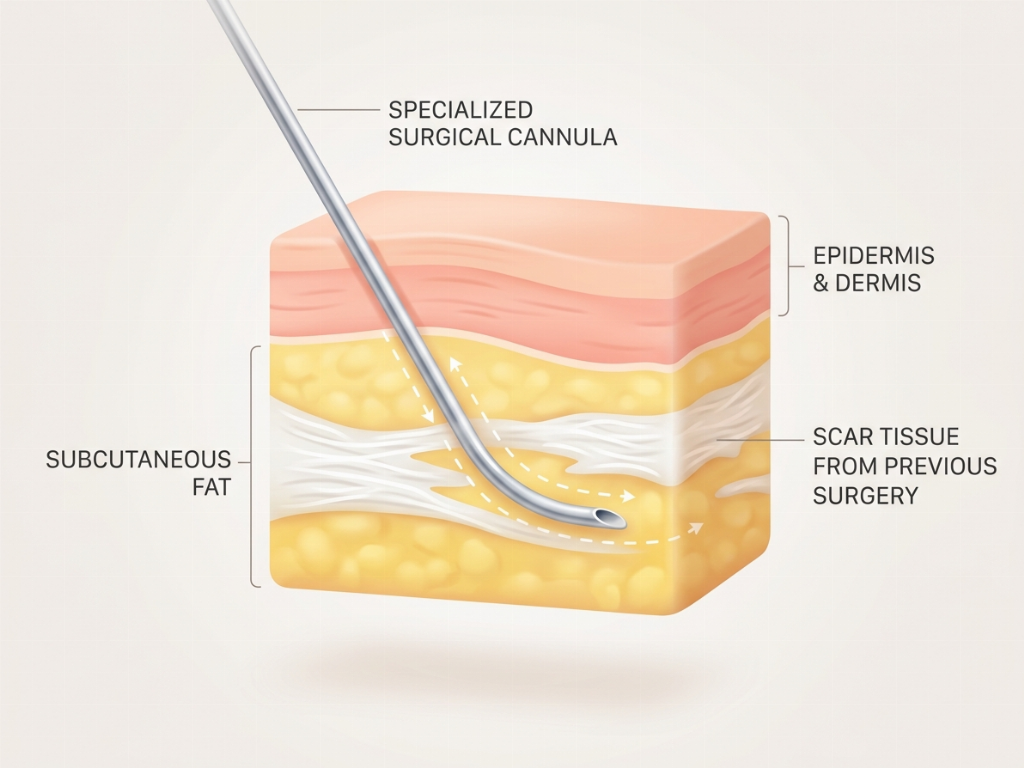
Revision liposuction is a secondary surgical procedure performed to correct or improve the outcomes of a previous fat removal surgery. Unlike primary liposuction, this procedure is significantly more complex because the surgeon must navigate through fibrous scar tissue and adhesions left behind by the initial operation. The goal is to refine the body's silhouette by addressing areas that were either over-treated or under-treated.
The technique often involves a combination of removing residual stubborn fat and fat grafting to fill in depressions or 'dents' caused by excessive removal. Because the tissue's blood supply and structure have already been altered, this procedure requires a high level of surgical precision and a deep understanding of tissue dynamics.
Expected Results
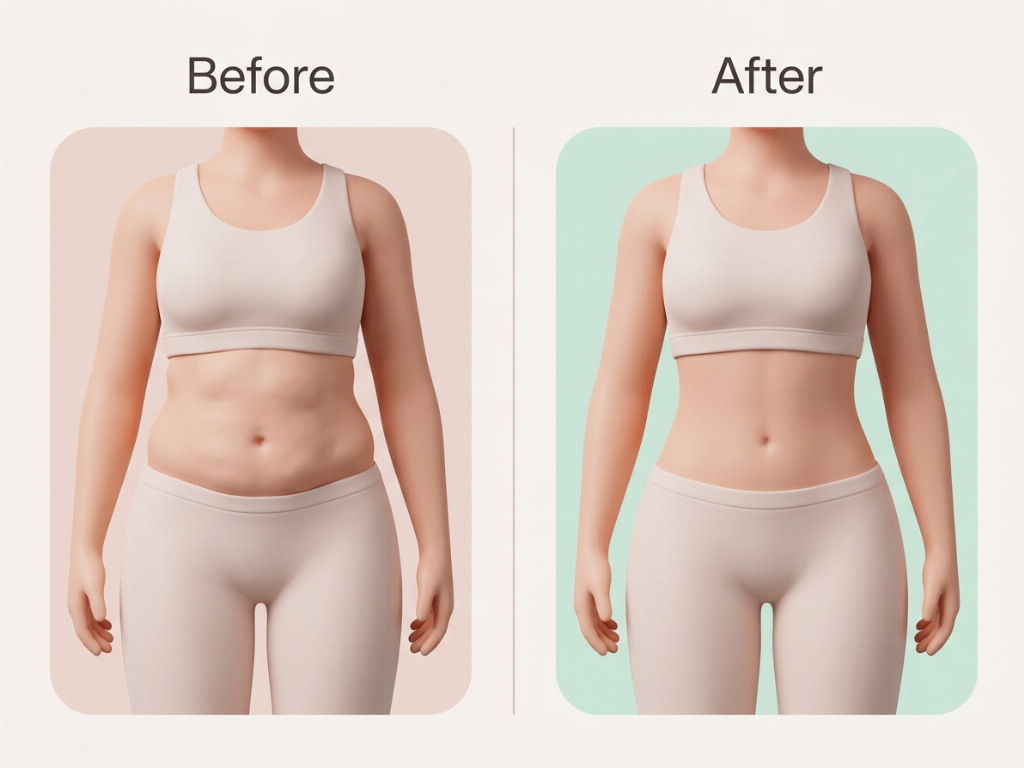
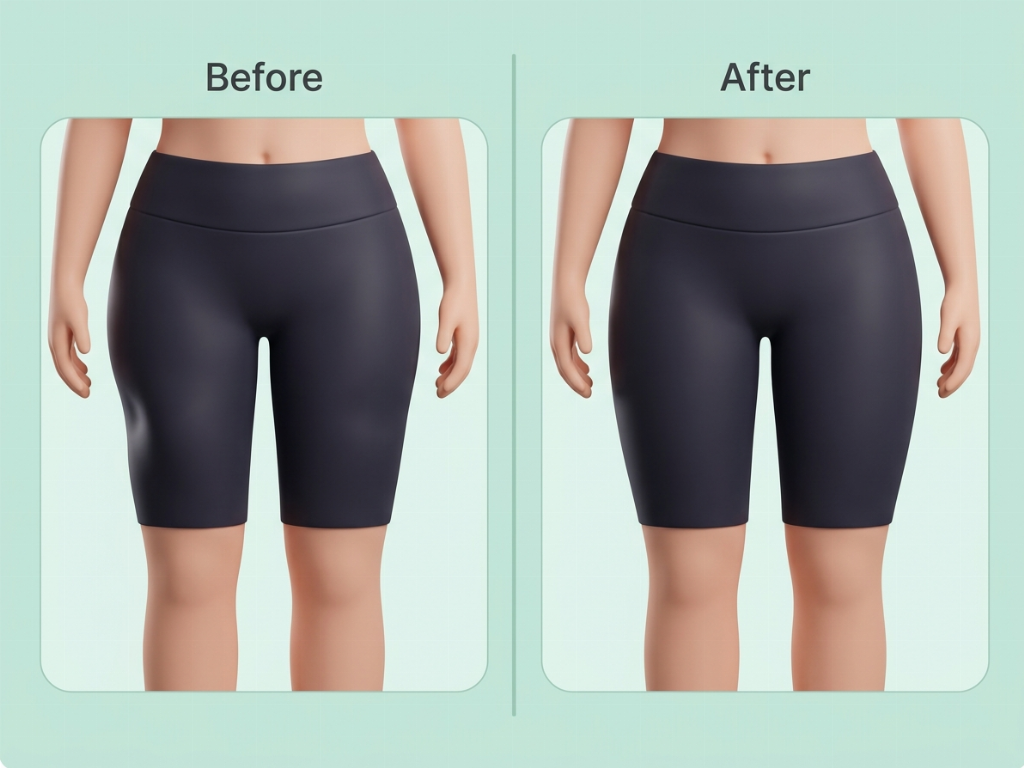
The primary objective of revision liposuction is to achieve a more balanced and harmonious body contour. Patients can expect a reduction in visible lumps, bumps, or 'step-off' deformities that may have occurred after their first surgery. However, it is important to have realistic expectations; achieving a perfectly smooth result is not always possible due to the nature of scarred tissue and compromised skin elasticity.
Final results are not immediate. While the initial change in shape is visible, the refined contour emerges as internal scarring softens and residual swelling subsides. The skin may also require time to retract over the newly sculpted areas, a process that depends heavily on the patient's age and skin quality.
Why Korea & Cost
South Korea is a global hub for corrective plastic surgery, with many surgeons specializing exclusively in revision cases. Korean clinics often utilize advanced equipment, such as ultrasound-assisted or laser-assisted devices, which assist surgeons in navigating through tough, fibrous scar tissue more effectively than traditional manual methods. This technological edge, combined with the surgeons' extensive experience in body contouring, helps in minimizing further trauma to the tissues.
The cost of revision liposuction is typically higher than a primary procedure due to the increased surgical time and technical difficulty involved. Factors affecting the final quote include the number of areas being treated, the severity of the existing irregularities, and whether fat grafting is required to correct depressions. A detailed physical examination is necessary to provide an accurate price estimate.
Recovery & Aftercare
Recovery from revision liposuction is generally more intensive than the first experience. Because the body is reacting to a second trauma in the same area, the inflammatory response is often more pronounced. Patients should expect significant swelling and bruising, which may take longer to resolve than in a primary case. Wearing a medical-grade compression garment is mandatory to support the tissues and help the skin adhere to the new contours.
Post-operative care in Korea often includes specialized treatments such as radiofrequency therapy or deswelling injections to manage scar tissue formation and accelerate lymphatic drainage. Following all aftercare instructions is critical to preventing the formation of new adhesions and ensuring the best possible aesthetic outcome.
Who Is It For?
- Individuals with visible contour irregularities or asymmetry from a previous liposuction
- Patients with residual fat deposits that were missed during the initial surgery
- Those with 'dents' or depressions caused by over-resection of fat
- Individuals who have waited at least 6 to 12 months since their primary surgery
- Non-smokers in good overall health with realistic aesthetic goals
Benefits
- Addresses aesthetic concerns resulting from the primary procedure
- Improves body symmetry and proportions
- Smooths out lumps and surface irregularities
- Refines the results of a previous body contouring surgery
- Utilizes fat grafting to correct deep depressions or hollows
How It's Done
- Consultation and marking of irregularities and scar tissue zones
- Administration of anesthesia (sedation or general)
- Infusion of tumescent solution to minimize bleeding
- Careful breakdown of fibrous scar tissue using specialized cannulas
- Removal of residual fat or fat grafting to fill depressions
- Closing of incisions and application of compression garments
Risks & Side Effects
- Increased risk of contour irregularities
- Skin necrosis due to compromised blood supply
- Formation of seromas or hematomas
- Prolonged swelling and inflammation
- Numbness or sensory changes in the treated area
- Hypertrophic scarring at incision sites
Recovery
- Swelling typically peaks between 7-10 days post-surgery
- Bruising may persist for 2-3 weeks
- Compression garments must be worn 24/7 for the first month
- Light walking is encouraged early to prevent blood clots
- Full results may take 6 to 12 months to stabilize
Aftercare
- Wear the prescribed compression garment as directed by the surgeon
- Attend all scheduled follow-up appointments for scar management
- Avoid strenuous exercise or heavy lifting for at least 4-6 weeks
- Keep incision sites clean and dry to prevent infection
- Stay hydrated and maintain a stable weight to preserve results
Precautions
- Wait at least 6-12 months after the first surgery before seeking a revision
- Discontinue blood-thinning medications and supplements before surgery
- Avoid smoking for several weeks before and after the procedure
- Report any sudden increase in pain or redness to the clinic immediately
- Understand that scar tissue may limit the degree of correction possible
| Duration | 30-180 min |
|---|---|
| Recovery | 0-21 days |
| Anesthesia | Sedation |
| Price Range | Consultation required |




 Clinic Introduction
 Medical Facility
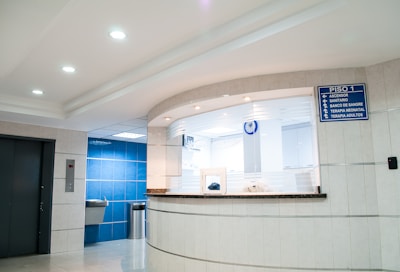 Patient Care
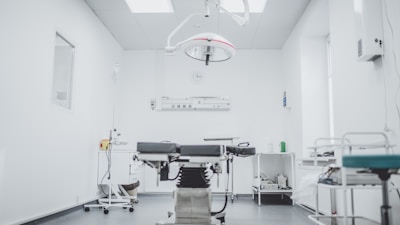 Consultation Room
 Medical Staff
 Recovery Suite
 Treatment Room