Toric ICL
Overview
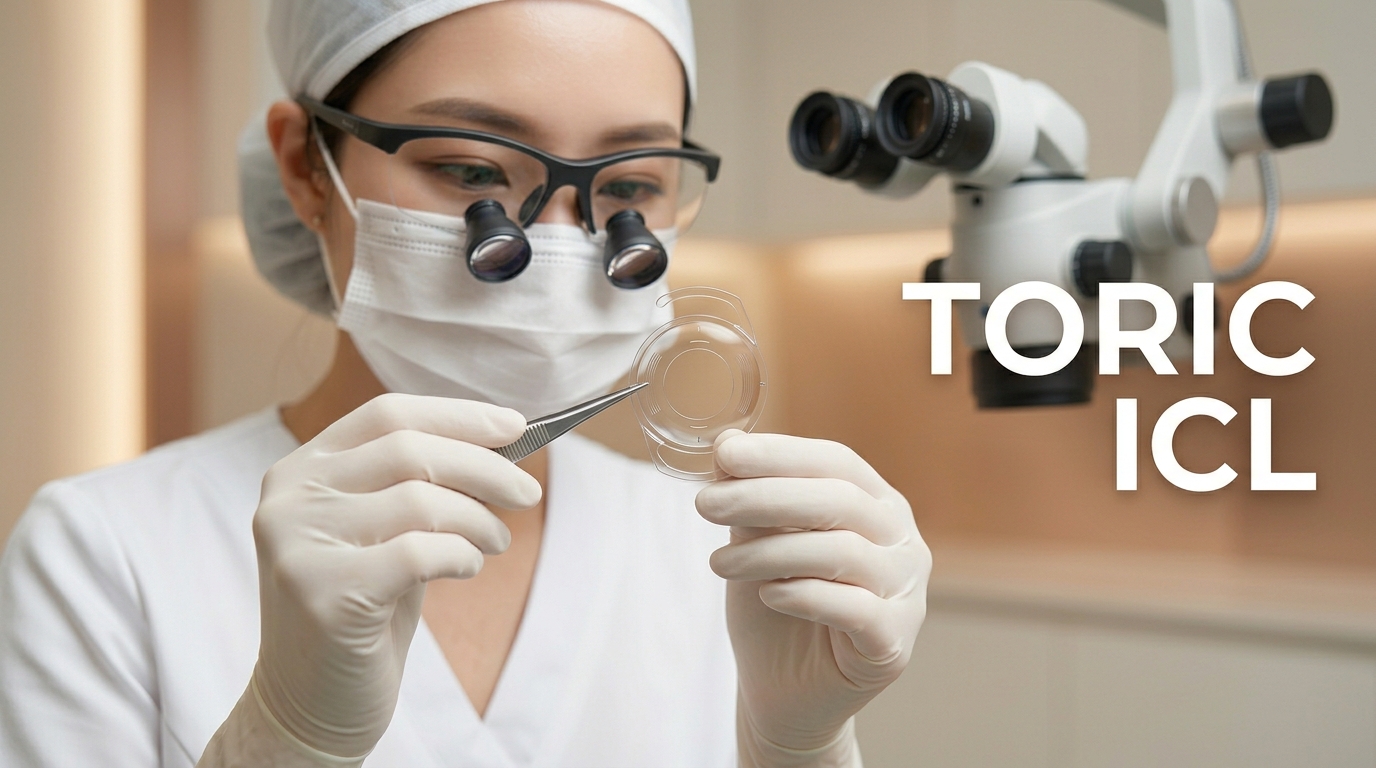
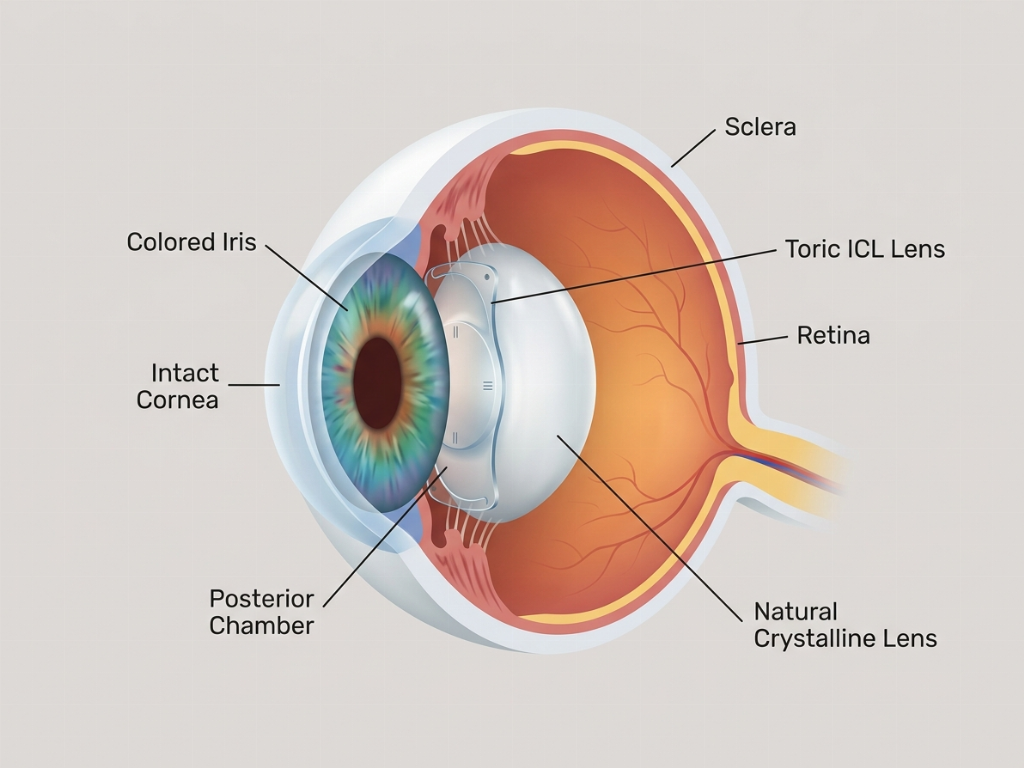
The Toric Implantable Collamer Lens (ICL) is a sophisticated intraocular lens designed specifically for patients who require correction for both myopia (nearsightedness) and astigmatism. Unlike LASIK or PRK, which reshape the cornea using a laser, the Toric ICL is a biocompatible lens placed behind the iris and in front of the eye's natural lens. This makes it an excellent alternative for patients with thin or irregular corneas who are not suitable candidates for laser eye surgery.
The 'Toric' designation means the lens is custom-manufactured to address the specific axis of your astigmatism. The lens is made from Collamer, a proprietary material containing a small amount of purified collagen. This material is highly biocompatible, provides UV protection, and is designed to remain in the eye indefinitely without causing irritation or being rejected by the body's immune system.
Expected Results
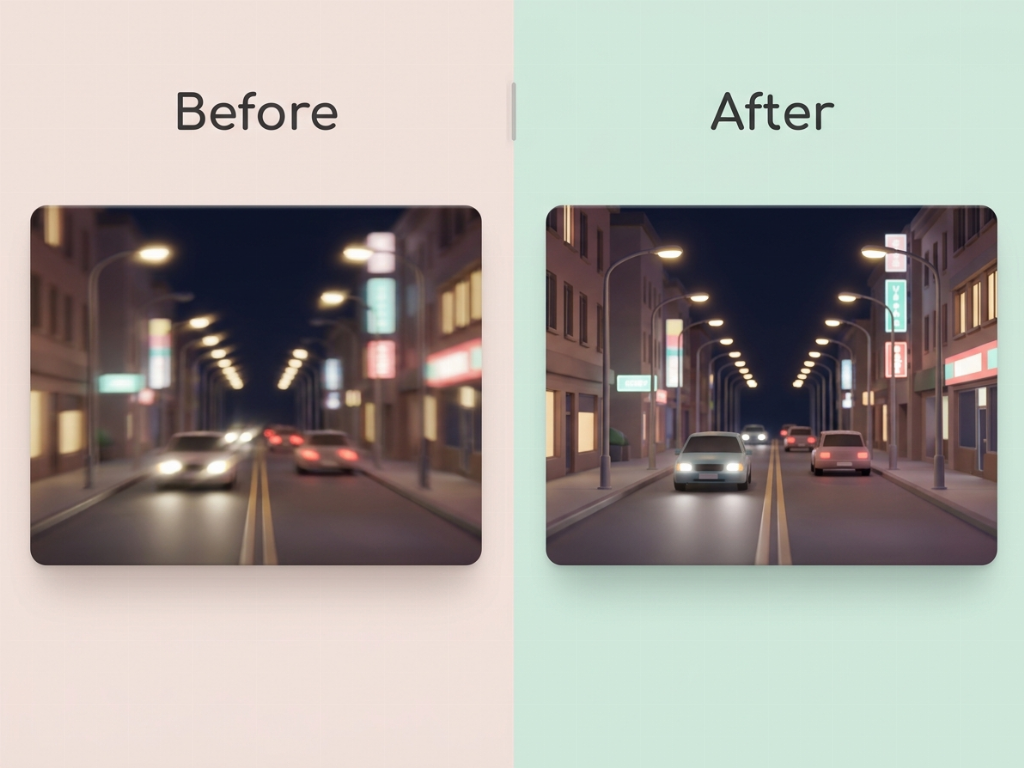
The primary goal of Toric ICL surgery is to achieve significant visual improvement, often reducing or entirely eliminating the need for glasses or contact lenses. Many patients report a noticeable improvement in visual clarity and contrast sensitivity shortly after the procedure. Because the lens is placed close to the eye's nodal point, the quality of vision is often described as very sharp and stable.
While the lens itself is designed to be a long-term solution, it is important to understand that the eye can still undergo natural age-related changes, such as presbyopia (loss of near vision) or cataracts, later in life. The procedure is reversible, meaning the lens can be surgically removed or replaced if your prescription changes significantly or if other eye health needs arise in the future.
Why Korea & Cost
South Korea is a global leader in refractive surgery, with clinics often performing some of the highest volumes of ICL implantations worldwide. Korean ophthalmologists are known for their precision and use of advanced diagnostic equipment, such as UBM (Ultrasound Biomicroscopy), to ensure the most accurate sizing of the lens, which is critical for preventing complications like ocular pressure changes.
The cost of Toric ICL in Korea is influenced by several factors, including the specific lens power required, the surgeon's expertise, and the advanced diagnostic imaging used during the pre-operative phase. Because Toric lenses are custom-ordered to match a patient's specific astigmatism, they generally involve a higher investment than standard ICLs. A comprehensive consultation is necessary to provide an exact quote based on your ocular measurements.
Recovery & Aftercare
Recovery from Toric ICL is typically rapid, with many patients returning to light daily activities within a few days. However, the first 24 to 48 hours are crucial for ensuring the lens is seated correctly and that intraocular pressure remains within a healthy range. Patients are usually prescribed a regimen of antibiotic and anti-inflammatory eye drops to prevent infection and manage swelling.
During the first week, it is essential to avoid rubbing the eyes or engaging in strenuous exercise that could increase eye pressure. Protective eye shields are often worn during sleep to prevent accidental contact. Regular follow-up appointments are scheduled to monitor the healing process and verify that the astigmatism correction is perfectly aligned with the eye's axis.
Who Is It For?
- Patients with moderate to severe nearsightedness
- Individuals with significant astigmatism
- Those with thin or irregular corneas unsuitable for LASIK
- Patients seeking a reversible vision correction option
- Individuals with stable vision prescriptions for at least one year
Benefits
- Corrects high myopia and astigmatism simultaneously
- Preserves corneal thickness and integrity
- Provides excellent night vision and contrast
- Biocompatible material with built-in UV protection
- Reversible procedure if future eye needs change
How It's Done
- Application of numbing drops and mild sedation
- Small incision made at the edge of the cornea
- Injection of a gel-like substance to protect eye structures
- Insertion and positioning of the folded Toric ICL
- Alignment of the lens with the astigmatism axis
- Removal of protective gel and closing of the incision
Risks & Side Effects
- Temporary or persistent eye pressure elevation
- Early cataract development if lens contact occurs
- Risk of infection or endophthalmitis
- Potential for retinal detachment
- Halos or glare around lights at night
Recovery
- Vision may be blurry for the first 24 hours
- Most patients return to work within 3 to 5 days
- Full stabilization of vision occurs within 2 to 4 weeks
- Avoid swimming and saunas for at least one month
- Strict adherence to eye drop schedule is required
Aftercare
- Wear protective eye shields while sleeping for one week
- Avoid rubbing or applying pressure to the eyes
- Use prescribed antibiotic and steroid drops as directed
- Attend all scheduled follow-up pressure checks
- Wear sunglasses outdoors to protect sensitive eyes
Precautions
- Inform the surgeon of any history of glaucoma
- Discontinue contact lens wear as instructed before surgery
- Avoid eye makeup for at least one week post-op
- Report any sudden pain or vision loss immediately
- Ensure a stable prescription for 12 months prior
| Duration | 30-90 min |
|---|---|
| Recovery | 5-14 days |
| Anesthesia | Topical anesthesia |
| Price Range | Consultation required |





 Clinic Introduction
 Medical Facility
 Patient Care
 Consultation Room
 Medical Staff
 Recovery Suite
 Treatment Room