VIVA ICL

Overview
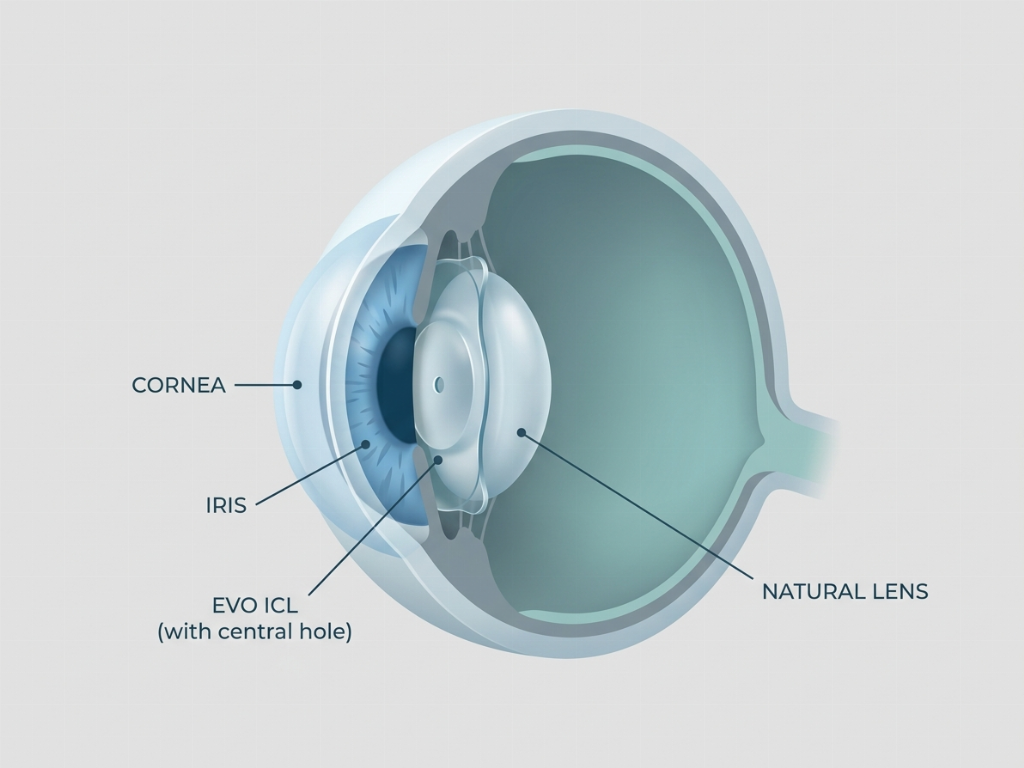
The EVO ICL (Implantable Collamer Lens) is a sophisticated refractive surgery designed to correct moderate to severe nearsightedness (myopia) and astigmatism. Unlike LASIK or PRK, which reshape the eye by removing corneal tissue, the EVO ICL involves placing a soft, flexible lens into the eye. This lens sits behind the iris and in front of the natural crystalline lens, working in harmony with the eye's existing anatomy.
The 'EVO' series features CentraFLOW technology, which includes a tiny central port that allows for the natural flow of fluid (aqueous humor) within the eye. This innovation eliminates the need for a peripheral iridotomy (a small hole made in the iris) before surgery, making the procedure more comfortable and efficient for the patient.
Expected Results
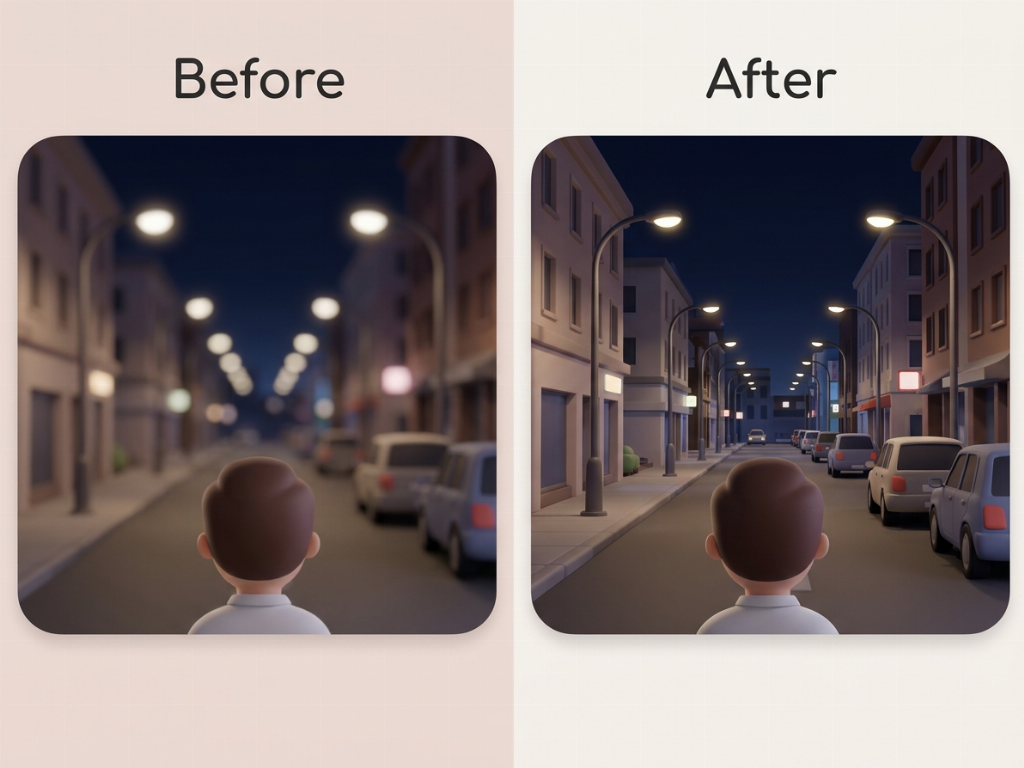
Patients typically experience a significant improvement in visual acuity shortly after the procedure. Because the cornea remains intact and its natural shape is preserved, the quality of vision is often described as sharp and high-definition, particularly at night. The lens is designed to be permanent but can be surgically removed or replaced by a specialist if necessary.
While many patients achieve vision comparable to what they had with glasses or contact lenses, individual results vary based on the eye's healing response and the initial degree of refractive error. The procedure is particularly effective for those with thin corneas or high prescriptions who may not be suitable candidates for laser-based surgeries.
Why Korea & Cost
South Korea is a global leader in ophthalmology, with clinics often performing some of the highest volumes of ICL surgeries worldwide. Korean surgeons are renowned for their precision and use of advanced diagnostic imaging, such as UBM (Ultrasound Biomicroscopy), to ensure the lens is sized perfectly for the patient's internal eye dimensions.
The cost of EVO ICL in Korea is influenced by the complexity of the prescription (such as the need for Toric lenses to correct astigmatism) and the specific technology used during the diagnostic phase. While a consultation is required for an exact quote, patients often find that the comprehensive aftercare and the high level of surgical expertise provide excellent value compared to other international hubs.
Recovery & Aftercare
Recovery from EVO ICL is generally rapid, with most patients returning to work or daily activities within a few days. Initial side effects may include mild light sensitivity or a scratchy sensation, which typically resolve as the small incision heals. It is crucial to avoid rubbing the eyes during the first few weeks to ensure the lens remains properly positioned.
Long-term maintenance is minimal, but annual eye examinations are mandatory. These check-ups must include an endothelial cell count to monitor the health of the inner layer of the cornea, ensuring the lens continues to sit safely within the eye over many years.
Who Is It For?
- Individuals with moderate to severe myopia or astigmatism
- Patients with thin or irregular corneas unsuitable for LASIK
- Those with a history of dry eye seeking a lens-based solution
- Adults aged 21 to 45 with a stable vision prescription
- Patients looking for a reversible vision correction option
Benefits
- Preserves corneal thickness and structural integrity
- Reduced risk of dry eye compared to corneal refractive surgeries
- High-definition vision quality with excellent night vision
- UV protection built into the biocompatible Collamer material
- Quick recovery time with minimal postoperative discomfort
How It's Done
- Comprehensive eye mapping and lens sizing using UBM
- Application of numbing drops to the eye surface
- Creation of a microscopic incision at the edge of the cornea
- Insertion of the folded EVO ICL lens behind the iris
- Centering the lens and verifying fluid flow through the central port
Risks & Side Effects
- Potential for increased intraocular pressure
- Risk of early cataract development if sized incorrectly
- Endothelial cell loss requiring long-term monitoring
- Halos or glare around lights at night
- Rare risk of infection or inflammation (uveitis)
Recovery
- Vision typically stabilizes within 24 to 48 hours
- Mild redness or light sensitivity is common for 1 week
- Avoid heavy lifting or strenuous exercise for 7 days
- Protective eye shields are often worn while sleeping for 1 week
- Follow-up appointments scheduled at 1 day, 1 week, and 1 month
Aftercare
- Administer prescribed antibiotic and anti-inflammatory drops
- Avoid getting water or soap directly in the eyes for 5 days
- Wear sunglasses outdoors to protect against UV and dust
- Attend mandatory annual check-ups for endothelial cell counts
- Contact the clinic immediately if sudden pain or vision loss occurs
Precautions
- Do not rub or apply pressure to the eyes during recovery
- Avoid swimming pools, saunas, and hot tubs for at least 2 weeks
- Refrain from wearing eye makeup for 1 to 2 weeks
- Ensure your prescription has been stable for at least one year
- Disclose any history of glaucoma or retinal issues to the surgeon
| Duration | 30-90 min |
|---|---|
| Recovery | 5-14 days |
| Anesthesia | Topical anesthesia |
| Price Range | Consultation required |





 Clinic Introduction
 Medical Facility
 Patient Care
 Consultation Room
 Medical Staff
 Recovery Suite
 Treatment Room