Implant Infection / Rejection
What Is Implant Infection and Rejection?
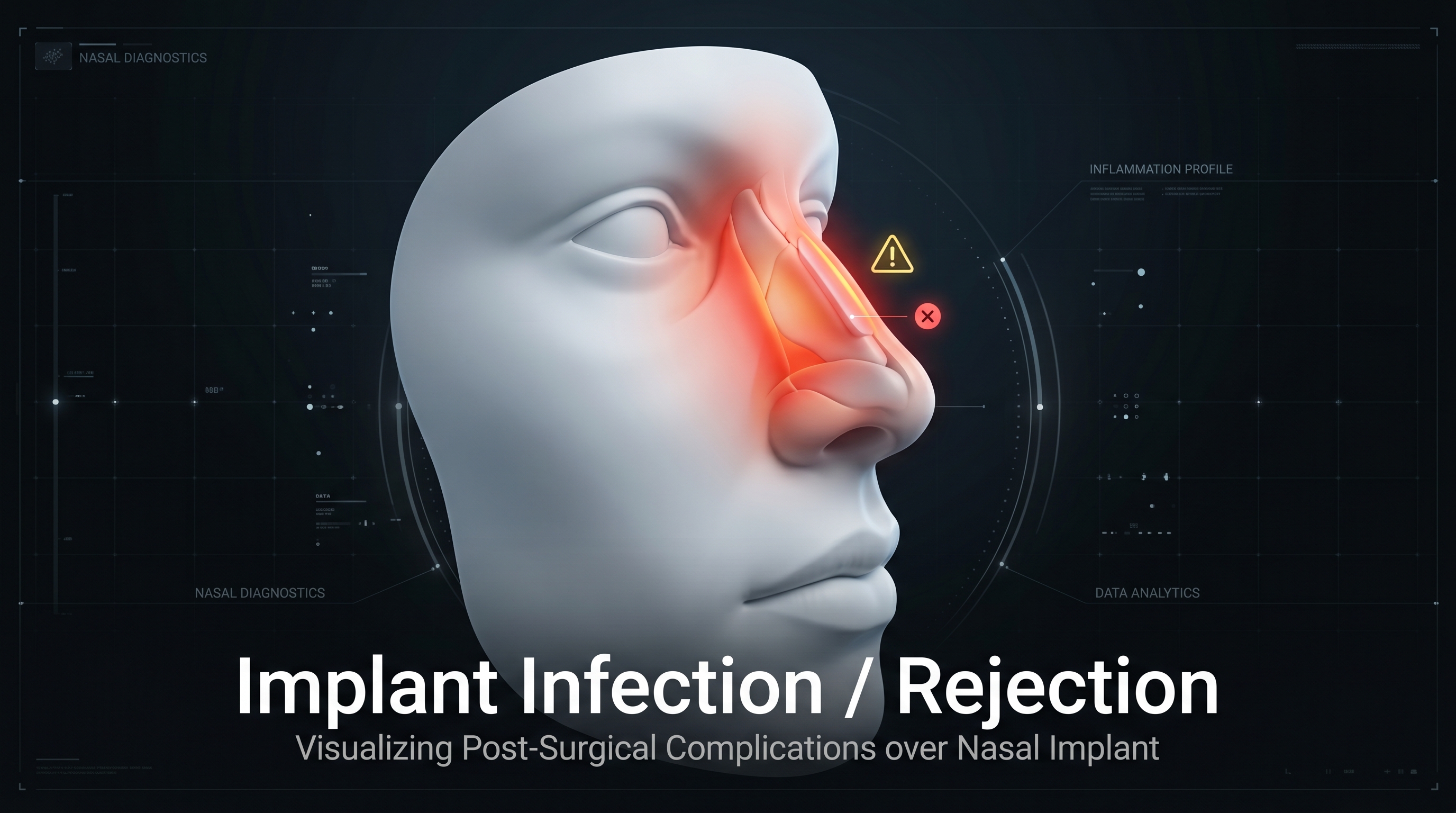
Implant infection and rejection are among the most serious complications that can occur after rhinoplasty using silicone, Gore-Tex (ePTFE), or other alloplastic implants. Infection develops when bacteria colonize the implant or the surrounding pocket, while rejection refers to the body's chronic inflammatory or foreign-body response that prevents the implant from integrating safely with surrounding tissue.
Although the overall incidence is low (reported between 1.5% and 5% in published rhinoplasty literature), the consequences can be significant: skin thinning, implant exposure, nasal deformity, scarring, and loss of structural support. Early recognition and timely intervention by an experienced revision rhinoplasty surgeon are critical to protect both function and appearance.
Common Causes
Implant-related complications usually arise from a combination of surgical, biological, and patient-related factors:
- Bacterial contamination during or after surgery — most commonly Staphylococcus aureus, including MRSA, and biofilm-forming organisms.
- Oversized or poorly contoured implants placing excessive tension on the overlying skin.
- Inadequate soft-tissue coverage over the implant, especially at the nasal tip.
- Trauma or repeated manipulation of the nose during the healing period.
- Multiple prior surgeries with compromised vascularity of the nasal skin envelope.
- Patient factors such as smoking, uncontrolled diabetes, or immunosuppression that impair wound healing.
Warning Signs and Symptoms
Symptoms can appear within days of surgery (acute infection) or months to years later (chronic / late-onset rejection). Seek immediate evaluation if you notice:
- Persistent redness, swelling, or warmth over the bridge or tip of the nose
- Tenderness or throbbing pain that worsens rather than improves
- Drainage of pus, blood, or clear fluid from incision sites or the nostril
- Skin thinning, shiny appearance, or visible outline of the implant
- A small opening with the implant becoming exposed (extrusion)
- Fever, chills, or general malaise
- New asymmetry or the implant shifting position
Late-onset symptoms appearing years after rhinoplasty often indicate a low-grade biofilm infection and should never be ignored — implants rarely "settle down" once these signs appear.
Diagnosis
Korean revision rhinoplasty specialists use a combination of clinical examination and imaging to confirm the diagnosis and plan treatment:
- Detailed history of the original surgery, materials used, and timeline of symptoms
- Physical examination assessing skin quality, implant position, and signs of inflammation
- Laboratory tests including CBC, CRP, and ESR to evaluate infection severity
- Wound culture and sensitivity testing when drainage is present
- CT or 3D imaging to evaluate implant position, bone, and cartilage support
Treatment Options
Treatment depends on how early the problem is detected and the severity of infection:
1. Conservative management (early or mild cases): Targeted oral or intravenous antibiotics, close observation, and local wound care. This approach is only suitable when the implant is not exposed and the infection is caught very early.
2. Implant removal: The most reliable solution for established infection or rejection. Removing the implant eliminates the source of biofilm, allows the tissues to heal, and prevents further skin damage. Many Korean revision surgeons recommend removal at the first clear sign of infection rather than risking extrusion.
3. Staged reconstruction: After complete healing — typically 3 to 6 months following implant removal — the nose can be reconstructed using autologous tissue (the patient's own septal cartilage, ear cartilage, or rib cartilage) instead of synthetic material. Autologous reconstruction has a far lower recurrence risk and is considered the gold standard for previously infected noses.
4. Soft-tissue reinforcement: In cases with thin or damaged skin, dermal grafts or local flaps may be used to restore healthy coverage before any structural rebuilding.
Recovery and Aftercare
Recovery varies depending on the procedure performed:
- Implant removal alone: Initial healing in 1 to 2 weeks; antibiotic course typically continues for 2 to 4 weeks.
- Staged autologous reconstruction: Wait 3 to 6 months after the infected implant is removed before rebuilding.
- Final aesthetic outcome: May take 6 to 12 months as swelling fully resolves and tissues remodel.
Post-treatment care includes nasal hygiene, avoidance of smoking, careful protection from trauma, and regular follow-up visits. Korean clinics typically provide 24/7 international patient support, multi-language coordinators, and remote follow-up programs for patients who return home before reconstruction is complete.
How to Reduce the Risk
While no rhinoplasty is risk-free, the chance of implant infection or rejection can be substantially reduced by:
- Choosing a board-certified specialist with extensive revision experience
- Selecting an appropriately sized implant — or favoring autologous cartilage from the start, especially at the tip
- Strict adherence to post-operative antibiotic and wound-care protocols
- Avoiding smoking, alcohol, and nasal trauma during healing
- Reporting any unusual symptoms to your surgeon immediately, even years after surgery
Why Patients Choose Korea for Revision Treatment
Korea is one of the world's leading destinations for revision and reconstructive rhinoplasty. Korean specialists routinely manage complex implant complications referred from across Asia and beyond, and many leading clinics maintain dedicated revision and reconstruction programs. Patients benefit from:
- Surgeons with high-volume experience in implant removal and autologous reconstruction
- Advanced 3D imaging and operative planning
- Integrated infectious-disease consultation when needed
- Transparent pricing and structured staged-treatment plans
- Comprehensive international patient services and aftercare
Because outcomes depend heavily on surgeon experience and the specific clinical situation, all treatment plans and pricing should be confirmed through an individual consultation. Use the Ask Question or Start Chat options on this page to connect with verified clinics that handle implant infection and rejection cases.
Medical Disclaimer
This information is provided for educational purposes only and does not constitute medical advice, diagnosis, or treatment. If you are experiencing symptoms of implant infection — particularly fever, pus drainage, severe pain, or visible implant exposure — seek in-person medical care without delay.
Who Is It For?
Patients with persistent redness, swelling, pain, drainage, fever, or visible implant exposure after rhinoplasty; patients with late-onset inflammation months or years after surgery; patients seeking removal of an infected or rejected nasal implant followed by staged autologous reconstruction.
| Duration | 60-180 min |
|---|---|
| Recovery | 7-21 days |
| Anesthesia | General or IV sedation |
| Price Range | Consultation required |



 Clinic Introduction
 Medical Facility
 Patient Care
 Consultation Room
 Medical Staff
 Recovery Suite
 Treatment Room