Nose Revision
Overview
Nose revision, also known as revision rhinoplasty, is a corrective surgical procedure designed to address complications or unsatisfactory results from a previous nasal surgery. This is often considered one of the most complex procedures in plastic surgery because the surgeon must work with existing scar tissue, altered nasal anatomy, and potentially depleted cartilage reserves.
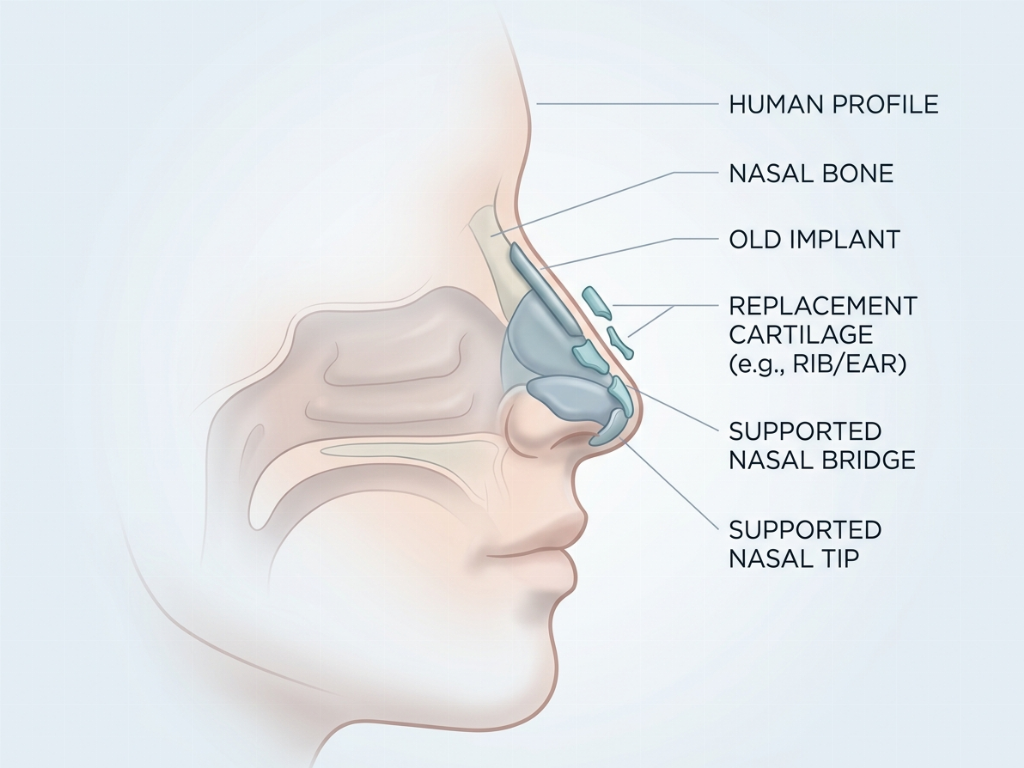
The procedure involves reshaping the nasal structure to improve both form and function. Depending on the specific concerns, a surgeon may need to harvest donor cartilage from the ear or rib to rebuild the nasal framework. Because the tissue has already undergone trauma, a high level of surgical precision is required to ensure a stable and aesthetically pleasing outcome.
Expected Results
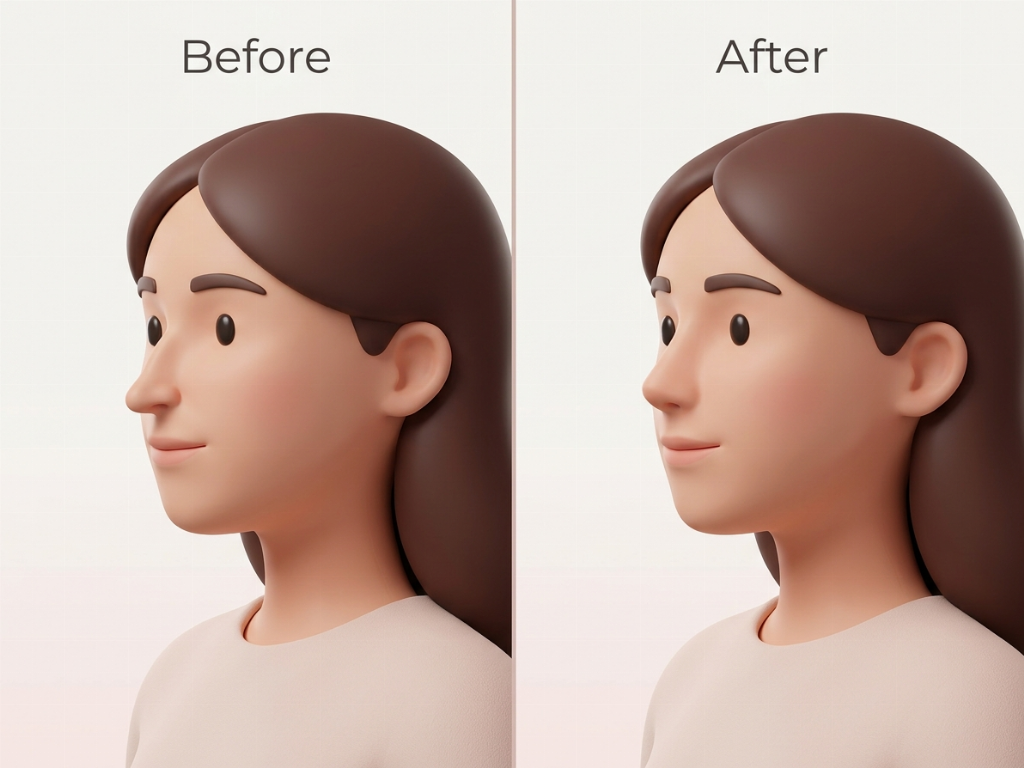
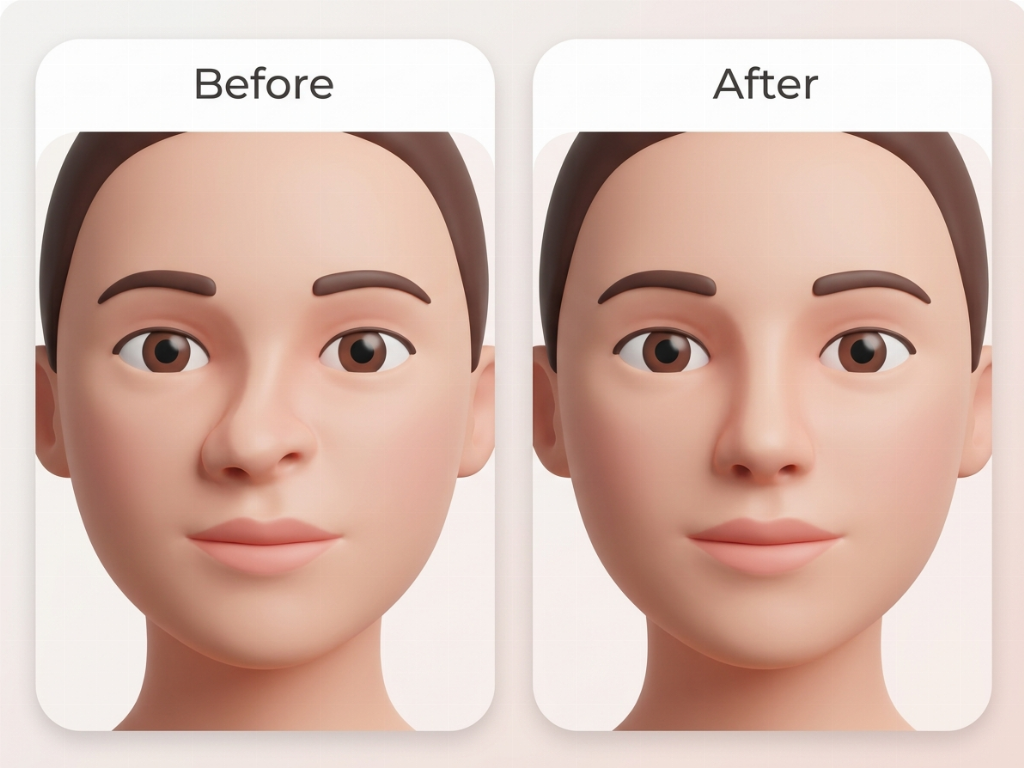
The primary goal of a revision is to bring the nose closer to the patient's original aesthetic goals while ensuring the airway is clear for healthy breathing. Results typically include a more balanced facial profile, corrected asymmetry, and the resolution of issues like a 'pinched' tip, collapsed bridge, or unnatural-looking implants.
It is important to have realistic expectations, as the presence of scar tissue can limit the degree of change possible compared to a primary surgery. Final results often take longer to stabilize than a first-time rhinoplasty, with subtle swelling potentially persisting for up to a year as the delicate tissues settle into their new shape.
Why Korea & Cost
South Korea is a global hub for revision rhinoplasty due to the high volume of complex cases handled by board-certified specialists. Korean surgeons are renowned for their expertise in 'Asian Rhinoplasty' and the use of advanced materials, such as autologous rib cartilage or sophisticated biocompatible implants, to achieve natural-looking results even in difficult revision cases.
The cost of a nose revision is generally higher than a primary rhinoplasty because of the increased complexity, longer surgical time, and the potential need for cartilage harvesting. Total pricing depends on the extent of the reconstruction required, the type of anesthesia used, and the specific materials involved. A detailed consultation and 3D-CT scan are typically necessary to provide an accurate quote.
Recovery & Aftercare
Recovery from a revision procedure requires patience. Most patients wear a nasal splint for about 7 days to protect the new structure. While initial bruising and swelling subside within two weeks, internal healing continues for several months. Because the blood supply has been previously altered, following post-operative instructions is critical to prevent complications.
Patients are advised to keep their head elevated and avoid any strenuous activity or pressure on the nose. Regular follow-up appointments are essential so the surgeon can monitor the healing of scar tissue and ensure the structural integrity of the nasal bridge and tip remains intact during the maturation phase.
Who Is It For?
- Individuals unhappy with the aesthetic outcome of a previous nose surgery
- Patients experiencing breathing difficulties after a primary rhinoplasty
- Those with nasal asymmetry or a collapsed bridge from a prior procedure
- Individuals with displaced or visible implants from a previous surgery
- Patients who have waited at least one year since their last nasal surgery
Benefits
- Corrects structural defects and improves nasal symmetry
- Restores proper respiratory function and airflow
- Refines the nasal tip and bridge for a more natural appearance
- Addresses psychological distress caused by a failed surgery
- Utilizes advanced cartilage grafting for long-term stability
How It's Done
- Comprehensive consultation and 3D-CT imaging analysis
- Administration of anesthesia and careful incision through previous scar lines
- Removal or adjustment of old implants and scar tissue
- Harvesting and shaping of donor cartilage if necessary
- Reconstruction of the nasal framework and refinement of the tip
- Closure of incisions and application of a protective splint
Risks & Side Effects
- Increased risk of prolonged swelling compared to primary surgery
- Potential for scarring or skin thickness changes
- Risk of infection or delayed wound healing
- Possibility of needing additional minor touch-ups
- Anesthesia-related risks
Recovery
- Nasal splint and bandages are typically removed after 7 days
- Major swelling and bruising usually resolve within 10 to 14 days
- Return to non-strenuous work is possible after 1 to 2 weeks
- Residual tip swelling may take 6 to 12 months to fully disappear
- Avoid wearing heavy glasses directly on the bridge for 4 to 6 weeks
Aftercare
- Keep the head elevated even while sleeping for the first week
- Apply cold compresses to the eye area to reduce initial swelling
- Clean the incision site gently as instructed by the clinic
- Avoid blowing the nose or sneezing forcefully through the nostrils
- Attend all scheduled follow-up exams for internal monitoring
Precautions
- Wait at least 12 months after the primary surgery before seeking a revision
- Discontinue smoking and alcohol for several weeks before and after surgery
- Avoid strenuous exercise or contact sports for at least 2 months
- Inform the surgeon of all previous surgical techniques and materials used
- Strictly follow medication schedules to prevent infection
| Duration | 30-90 min |
|---|---|
| Recovery | 5-14 days |
| Anesthesia | General anesthesia |
| Price Range | Consultation required |





 Clinic Introduction
 Medical Facility
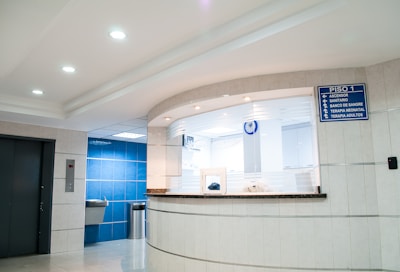 Patient Care
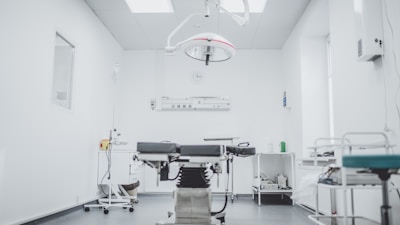 Consultation Room
 Medical Staff
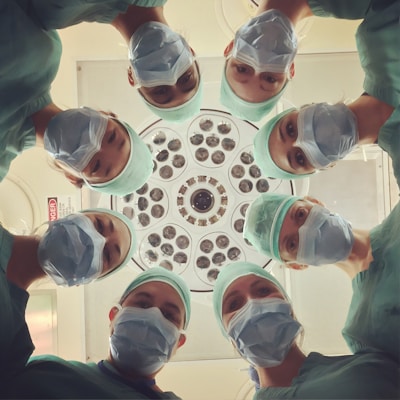 Recovery Suite
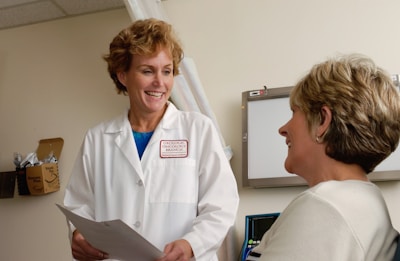 Treatment Room