Secondary Rhinoplasty
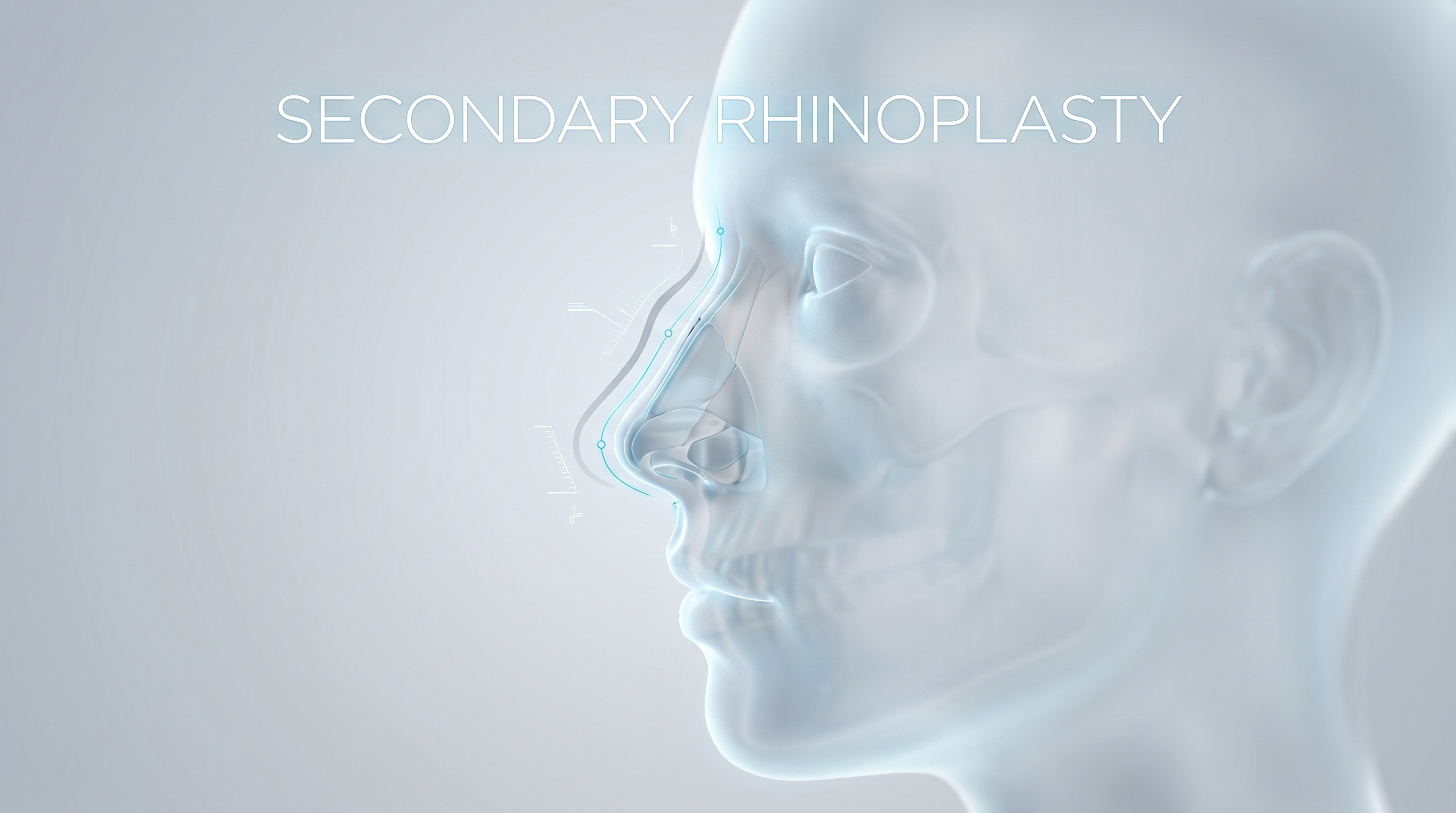
Overview
Secondary rhinoplasty, commonly known as revision rhinoplasty, is a complex surgical procedure performed to correct or improve the results of a previous nose surgery. It addresses concerns ranging from aesthetic dissatisfaction—such as an over-shortened tip, a collapsed bridge, or asymmetry—to functional breathing difficulties caused by internal scarring or structural weakness.
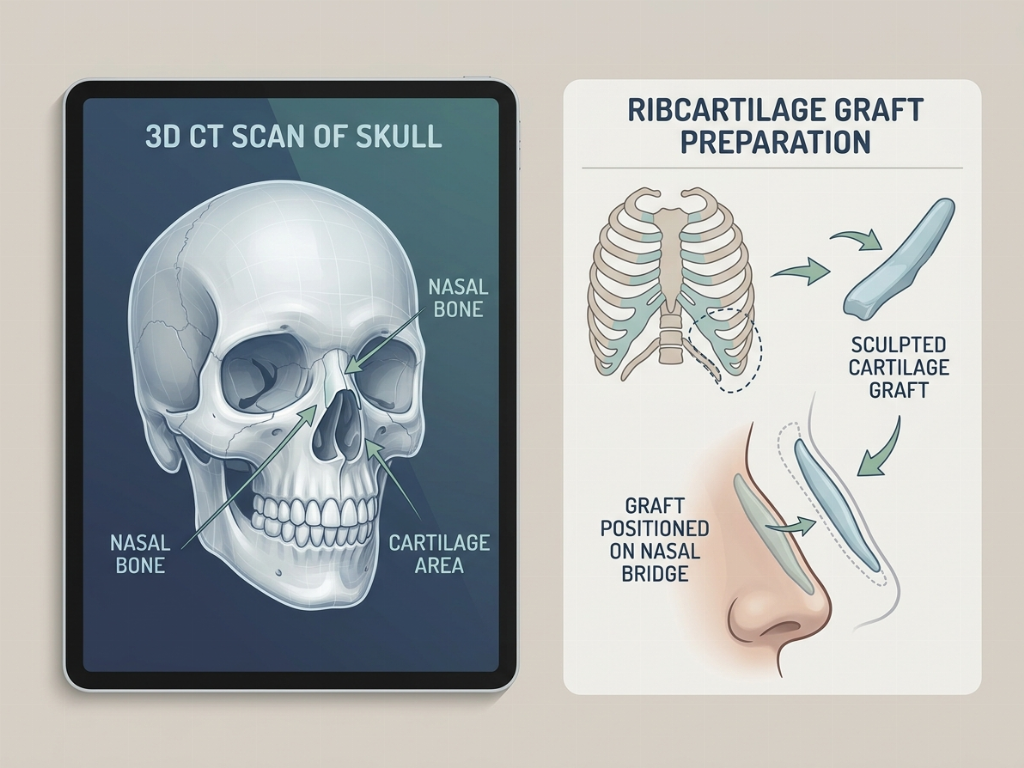
Because the nasal anatomy has been previously altered and scar tissue is present, this procedure requires a high level of surgical expertise. Surgeons often need to reconstruct the nasal framework using cartilage grafts, frequently harvested from the ear or rib, to provide the necessary support and definition that may have been lost during the initial surgery.
Expected Results
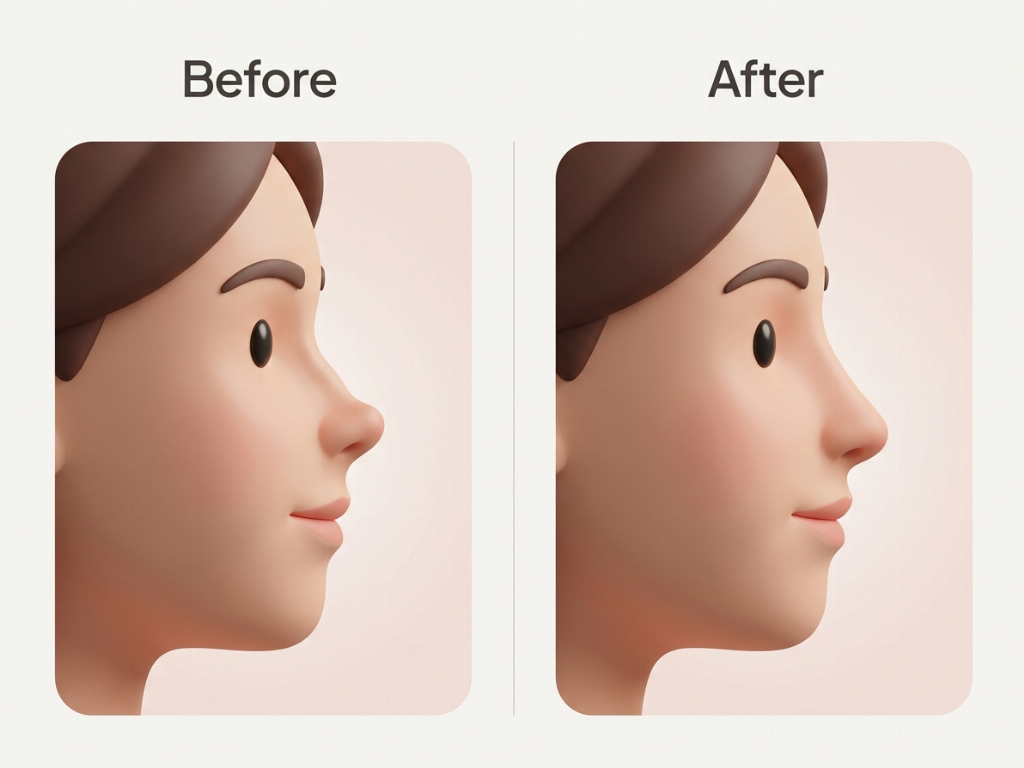
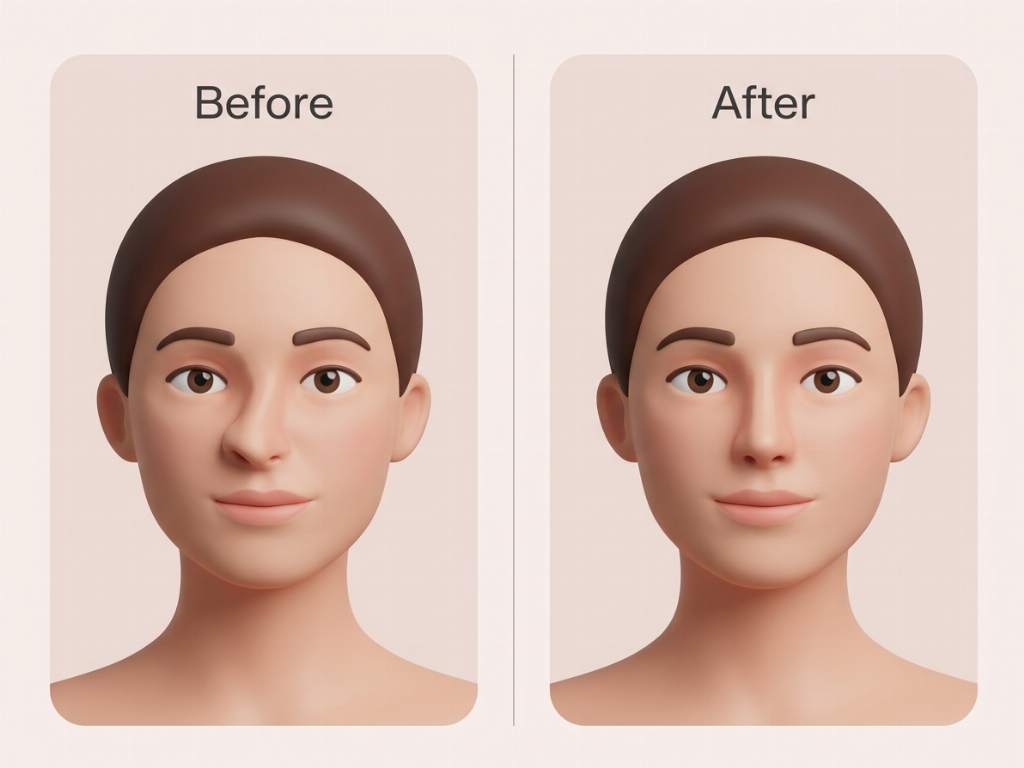
The primary goal of secondary rhinoplasty is to achieve a more natural, balanced appearance that complements the patient's facial features while ensuring the airway is clear. Patients can expect a refinement of the nasal shape, correction of previous deformities, and improved structural integrity. It is important to note that the goal is improvement rather than perfection, as scar tissue and skin thickness from previous surgeries can influence the final contour.
Final results take longer to stabilize than a primary rhinoplasty. While the initial shape is visible after swelling subsides, the refined details of the nose will continue to settle over twelve to eighteen months as the internal tissues heal and the skin shrinks to fit the new framework.
Why Korea & Cost
South Korea is a global hub for revision rhinoplasty due to the high volume of complex cases handled by its board-certified plastic surgeons. Korean clinics are renowned for their advanced 3D-CT imaging technology, which allows surgeons to precisely analyze the internal bone and cartilage structure before the first incision is made. This meticulous planning is crucial for identifying the cause of previous failures and ensuring a successful corrective outcome.
The cost of secondary rhinoplasty in Korea is generally higher than a primary procedure because of the increased complexity, longer surgical time, and the potential need for autologous cartilage harvesting. Total pricing depends on the extent of the reconstruction required and the specific techniques used. A comprehensive consultation and diagnostic imaging are necessary to provide an accurate quote tailored to the individual's needs.
Recovery & Aftercare
Recovery from a secondary procedure is a gradual process. Most patients experience significant swelling and some bruising around the eyes for the first week. A nasal splint and internal packing are typically used to support the new structure and are removed within five to seven days. While most patients return to light daily activities after two weeks, the internal healing process is more extensive than in a first-time surgery.
Adhering to aftercare instructions is vital to prevent complications like infection or further scarring. Patients are advised to keep their head elevated, avoid strenuous exercise, and protect the nose from any accidental impact. Consistent follow-up appointments allow the surgeon to monitor the healing of scar tissue and ensure the structural grafts remain in their intended position.
Who Is It For?
- Individuals unhappy with the aesthetic outcome of a previous nose surgery
- Patients experiencing new or worsened breathing issues after rhinoplasty
- Those with visible nasal asymmetry or a collapsed nasal bridge
- Individuals with a 'pinched' or unnaturally upturned nasal tip from over-resection
- Patients who have waited at least one year since their last nasal surgery
Benefits
- Corrects structural deformities and restores nasal symmetry
- Improves airflow and resolves functional breathing obstructions
- Reconstructs the nasal framework using high-quality cartilage grafts
- Enhances facial harmony by refining the proportions of the nose
- Provides psychological relief and renewed self-confidence
How It's Done
- Comprehensive 3D-CT scan and physical evaluation of nasal structures
- Administration of anesthesia and careful incision through previous scar lines
- Meticulous dissection to separate skin from underlying scar tissue and cartilage
- Harvesting of donor cartilage (ear or rib) if the septum is insufficient
- Structural reconstruction of the bridge and tip to achieve the desired shape
- Closure of incisions and application of a protective external splint
Risks & Side Effects
- Increased risk of prolonged swelling compared to primary surgery
- Potential for skin necrosis or poor wound healing due to scar tissue
- Possibility of needing additional cartilage harvesting from the ear or rib
- Risk of persistent asymmetry or dissatisfaction with the refined shape
- Internal scarring or adhesions that may affect breathing
Recovery
- Nasal splint and sutures are typically removed 5 to 7 days post-surgery
- Major swelling and bruising usually subside within 10 to 14 days
- Residual swelling, especially at the tip, can persist for several months
- Final structural settling and refinement take 12 to 18 months
- Avoid wearing heavy glasses or sunglasses for at least 4 to 6 weeks
Aftercare
- Keep the head elevated at a 45-degree angle even while sleeping
- Apply cold compresses to the eye area for the first 48 hours
- Clean the incision site gently with prescribed saline and ointment
- Avoid blowing the nose or sneezing forcefully through the nostrils
- Attend all scheduled follow-up exams for internal cleaning and monitoring
Precautions
- Wait at least 12 months after the previous surgery for tissues to soften
- Discontinue smoking and alcohol for several weeks to ensure proper blood flow
- Avoid strenuous exercise or heavy lifting for at least one month
- Inform the surgeon of all previous nasal procedures and materials used
- Protect the nose from direct sun exposure to prevent permanent skin discoloration
| Duration | 120-240 min |
|---|---|
| Recovery | 14-28 days |
| Anesthesia | General anesthesia |
| Price Range | Consultation required |





 Clinic Introduction
 Medical Facility
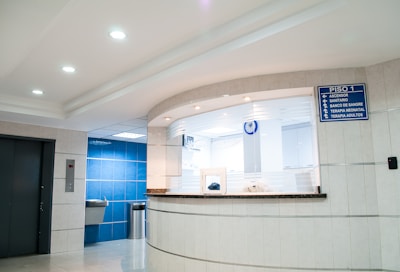 Patient Care
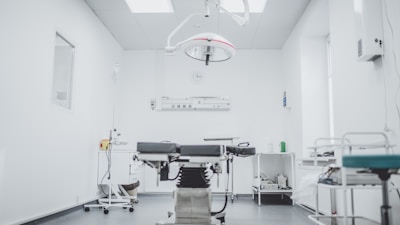 Consultation Room
 Medical Staff
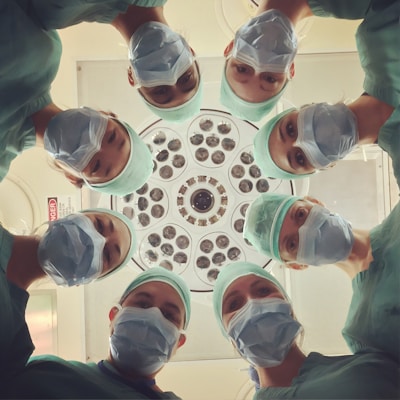 Recovery Suite
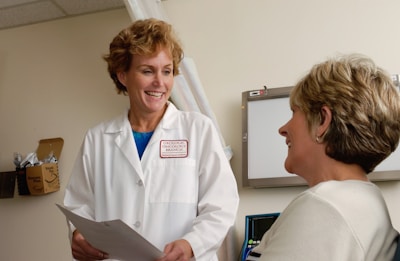 Treatment Room