Keratosis Pilaris Treatment
Overview
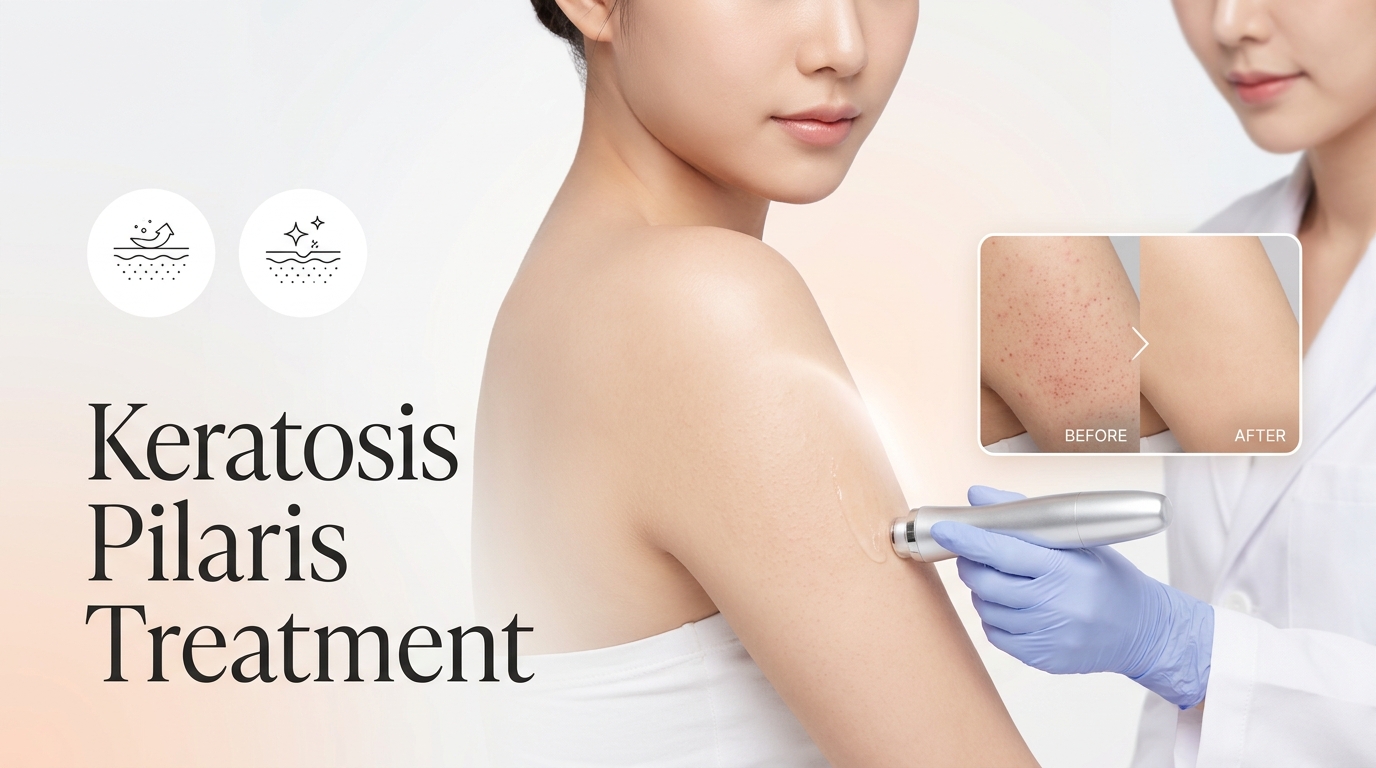
Keratosis Pilaris (KP), often referred to as 'chicken skin,' is a common skin condition where keratin builds up and plugs hair follicles, creating small, rough bumps. While harmless, these bumps can cause self-consciousness due to their sandpaper-like texture and associated redness. Treatment focuses on exfoliating the excess keratin and calming the underlying inflammation.
In South Korea, the most common approach involves herbal or 'spicule' peels. These treatments use microscopic botanical needles to penetrate the pores, stimulating natural cell turnover from within. For more stubborn cases or significant post-inflammatory hyperpigmentation, dermatologists may also utilize specialized laser therapies to target redness and smooth the skin surface.
Expected Results
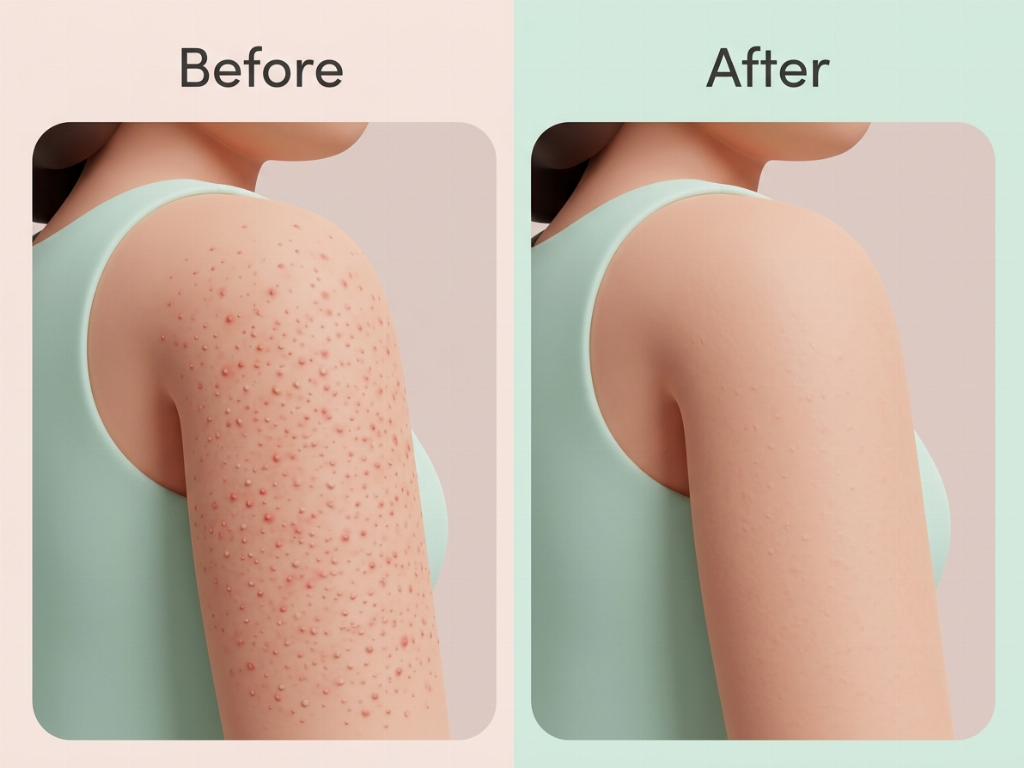
Patients can expect a significant improvement in skin texture, with the characteristic rough bumps becoming flatter and less noticeable to the touch. The treatment also helps fade the pink or brownish spots that often surround the follicles, leading to a more even skin tone across the treated area.
It is important to note that KP is a chronic genetic condition. While a series of treatments can achieve desired results and clear the skin significantly, maintenance is usually required. Results are not permanent, and a consistent home-care routine is essential to prevent keratin from building up again over time.
Why Korea & Cost
South Korean dermatology clinics are renowned for their expertise in treating various skin textures and tones. They often utilize proprietary herbal peel formulations that are designed to be effective yet gentle enough for sensitive skin. Many clinics offer comprehensive packages that combine professional exfoliation with intensive hydration therapies, enhancing smoothing effects and speeding up the skin's natural renewal process.
The cost of Keratosis Pilaris treatment in Korea depends on the size of the area being treated (e.g., upper arms versus full legs) and the specific modality used, such as herbal peels or laser. A consultation with a board-certified dermatologist is necessary to determine the number of sessions required and to receive an accurate price quote based on your specific skin needs.
Recovery & Aftercare
The recovery process typically involves a period of redness and peeling. Immediately after an herbal peel, the skin may feel prickly or sensitive to the touch for 24 to 48 hours. Within 3 to 5 days, the skin will begin to flake or peel as the old keratin plugs are shed. It is crucial not to pick or scrub the skin during this phase, as this can lead to irritation or scarring.
Post-treatment care focuses heavily on moisturization and sun protection. Keeping the skin hydrated helps the new, smooth skin emerge healthily and prevents the immediate return of keratin buildup. Avoiding hot baths, saunas, and intense exercise for the first few days is recommended to minimize irritation while the skin is in its most sensitive state.
Who Is It For?
- Individuals with persistent rough bumps on the arms or legs
- Those experiencing redness or dark spots from clogged follicles
- Patients who have not seen results from over-the-counter lotions
- Individuals looking for professional-grade exfoliation
- Those with realistic expectations for managing a chronic condition
Benefits
- Can significantly improve skin texture and smoothness
- Reduces the appearance of follicular redness
- Helps clear clogged pores and keratin plugs
- Promotes more even skin tone in treated areas
- Provides deeper exfoliation than at-home treatments
How It's Done
- Deep cleansing of the target area to remove oils
- Application of the herbal peel or laser treatment
- Manual massage of herbal spicules into the skin (if applicable)
- Application of a cooling mask or soothing gel
- Final application of regenerative cream and sunblock
Risks & Side Effects
- Temporary redness and skin sensitivity
- Itching or discomfort during the peeling phase
- Post-inflammatory hyperpigmentation if sun exposure occurs
- Potential for skin irritation or allergic reaction
- Incomplete clearance of bumps in severe cases
Recovery
- Redness and a prickly sensation for 1-2 days
- Visible skin peeling or flaking starting around day 3
- Peeling typically completes within 7 to 10 days
- Skin may appear slightly pink as new layers emerge
- Full recovery and smoothed texture visible by day 14
Aftercare
- Apply prescribed moisturizer multiple times daily
- Avoid picking or peeling flaking skin manually
- Use broad-spectrum sunscreen on treated areas
- Avoid hot showers and saunas for one week
- Use gentle, fragrance-free cleansers only
Precautions
- Discontinue use of retinol or acids 1 week before
- Inform the doctor of any history of keloid scarring
- Avoid direct sun exposure for at least 2 weeks post-treatment
- Do not use physical scrubs on the area during recovery
- Wait for the skin to fully heal before subsequent sessions
| Duration | 30-90 min |
|---|---|
| Recovery | 5-14 days |
| Anesthesia | Varies — consult clinic |
| Price Range | Consultation required |



 Clinic Introduction
 Medical Facility
 Patient Care
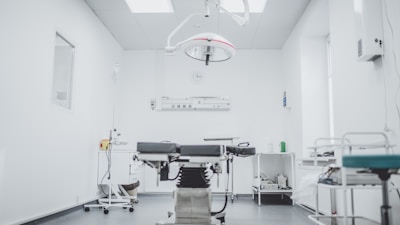 Consultation Room
 Medical Staff
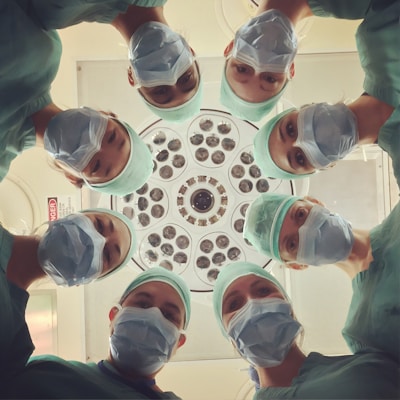 Recovery Suite
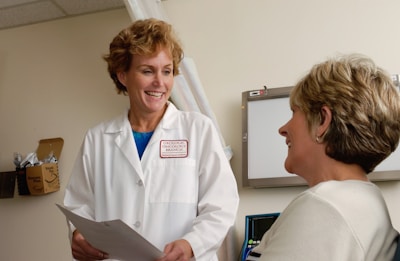 Treatment Room