Unfavorable Nasal Shape Correction
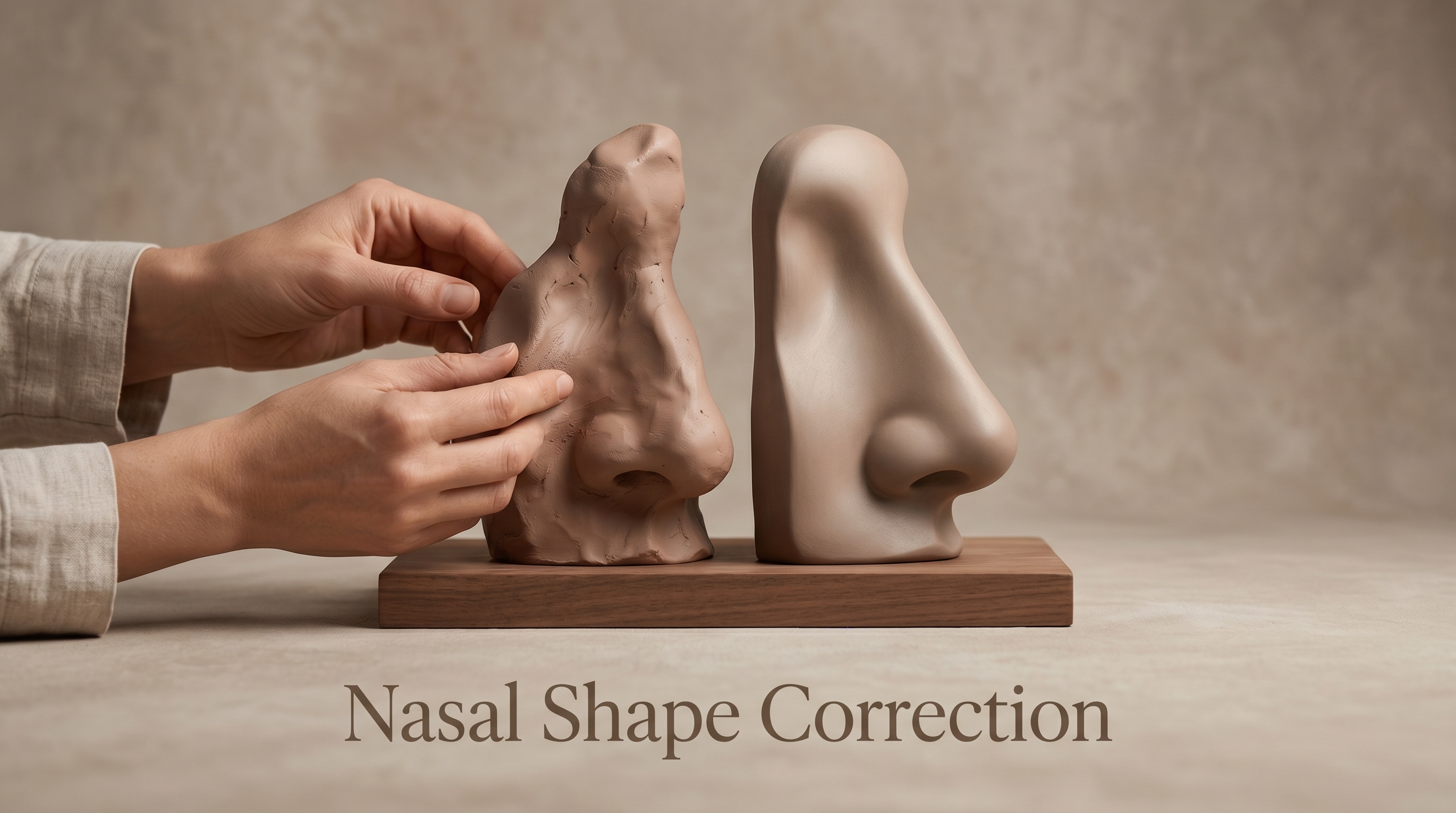
What Is "Unfavorable Nasal Shape"?
"Unfavorable nasal shape" is the term used to describe an aesthetic or structural outcome after primary rhinoplasty that does not meet the patient's goals or violates principles of facial harmony. It is not a single condition but a broad category covering issues such as over-projection, under-correction, asymmetry, pollybeak deformity, pinched or boxy tip, short nose deformity, deviation, dorsal irregularities, and contracture.
Studies report that 5% to 15% of primary rhinoplasty patients consider revision surgery within five years, most commonly for shape-related concerns rather than functional complaints. Revision rhinoplasty is one of the most technically demanding procedures in plastic surgery and should be performed only by surgeons with high-volume revision experience.
Common Unfavorable Outcomes
Most concerns fall into one of the following patterns:
- Over-projected nose — bridge or tip pushed too far forward, giving an unnatural "pinocchio" or operated look.
- Under-projected / low bridge — insufficient augmentation, especially common after silicone removal or partial reabsorption of injectable fillers.
- Pollybeak deformity — fullness in the supratip area making the tip appear lower than the bridge, resembling a parrot's beak.
- Pinched or boxy tip — over-resection or under-support of the lower lateral cartilages.
- Short nose / contracture — upward rotation or shortening of the nose, often from scar contracture or aggressive cephalic trim.
- Asymmetric or deviated nose — visible deviation of the bridge, tip, or nostrils.
- Saddle nose — collapse of the middle vault from over-resection, septal damage, or infection history.
- Visible implant / cartilage edges — outline of the implant or graft showing through thin skin.
- Wide or irregular dorsum — open roof deformity, step-offs, or persistent humps.
- Alar issues — flared nostrils, asymmetric base, or alar retraction exposing too much nostril.
Why Does Unfavorable Shape Occur?
Outcomes can deviate from expectations for several reasons:
- Surgical factors — over-resection, inadequate structural support, poor implant choice, asymmetric dissection, or imprecise tip work.
- Healing factors — scar contracture, soft-tissue thickening, cartilage warping, or implant migration during healing.
- Anatomic factors — thick or thin skin, weak native cartilage, or significant baseline asymmetry that limits achievable results.
- Communication factors — mismatched expectations between patient and surgeon during the original planning.
- Multiple prior surgeries — each revision reduces tissue elasticity and available graft material.
When to Consider Revision
Most surgeons recommend waiting at least 9 to 12 months after the primary surgery before pursuing revision, because:
- Swelling can take a full year to resolve, especially at the tip and in patients with thick skin.
- Internal scar tissue continues to remodel during the first year.
- Final aesthetic outcome is rarely visible before swelling fully subsides.
Earlier intervention may be appropriate for acute issues such as severe deviation, implant displacement, or exposure — but cosmetic refinement is best deferred until tissues have stabilized.
Consultation and Planning
A thorough revision consultation typically includes:
- Detailed history of the original surgery — techniques, materials, complications, and prior revisions
- Photographic and 3D imaging analysis of facial proportions
- Skin quality and soft-tissue assessment to predict post-operative draping
- Evaluation of remaining septal cartilage and identification of additional graft sources (ear or rib)
- CT imaging when bony structure or septal integrity needs further evaluation
- Functional assessment — nasal airflow, valve collapse, and breathing concerns
Revision Treatment Options
Treatment is tailored to the specific deformity. Common techniques include:
1. Cartilage grafting: Septal, conchal (ear), or costal (rib) cartilage is used to rebuild support, refine the tip, augment the dorsum, or correct asymmetry. Autologous cartilage is preferred over synthetic implants in revision cases because of its lower rejection and infection risk.
2. Implant exchange or removal: Replacing an oversized or malpositioned implant with a smaller, anatomically contoured one — or removing it entirely in favor of autologous reconstruction.
3. Scar release and contracture correction: For short or contracted noses, internal scar tissue is released and the nose is lengthened with extended spreader and septal extension grafts.
4. Tip refinement: Suture techniques, cartilage repositioning, or grafts (shield, cap, lateral crural strut) to correct pinched, bulbous, or asymmetric tips.
5. Dorsal refinement: Rasping, osteotomies, or onlay grafting to address open-roof deformity, residual humps, or saddle deformity.
6. Alar base modification: Alar base reduction or alar rim grafts for nostril flare, asymmetry, or retraction.
7. Soft-tissue augmentation: Diced cartilage in fascia (DCF), dermal grafts, or temporalis fascia to disguise irregularities and improve skin contour.
Recovery and Timeline
- Splint and packing removal: 5 to 7 days after surgery
- Major bruising and swelling: Resolves over 2 to 3 weeks
- Return to normal activities: 2 to 4 weeks (avoid strenuous exercise for 4 to 6 weeks)
- Refined shape visible: 3 to 6 months
- Final result: 12 to 18 months — revision noses heal more slowly than primary cases
Patients who travel to Korea should plan for 10 to 14 days on the ground for the surgery, splint removal, and initial follow-up visits.
Risks and Realistic Expectations
Revision rhinoplasty carries a higher complication rate than primary surgery. Patients should be aware of:
- Limited improvement when skin is severely scarred or thinned
- Need for staged procedures in complex cases
- Possibility of further asymmetry, recurrence, or the need for additional revision
- Donor-site discomfort if rib cartilage is used
- Prolonged tip swelling, especially with thick skin
An ethical revision surgeon will clearly explain what is — and is not — achievable in your individual case, rather than promising a "perfect" result.
Why Patients Choose Korea for Revision Rhinoplasty
Korea has built one of the world's strongest reputations in revision and reconstructive rhinoplasty. Korean surgeons routinely manage cases referred from other countries and have particular expertise in Asian nasal anatomy, including thicker skin and weaker native cartilage. Patients benefit from:
- High-volume revision specialists with decades of focused experience
- Advanced 3D imaging and pre-operative simulation
- Wide availability of autologous cartilage techniques (ear, septum, costal)
- Integrated functional and aesthetic planning
- Comprehensive international patient support and structured aftercare
Because revision results depend heavily on the surgeon's judgment and the specific anatomy involved, all treatment plans and pricing should be confirmed through an individual consultation. Use the Ask Question or Start Chat options on this page to connect with verified clinics that specialize in revision cases.
Medical Disclaimer
This information is provided for educational purposes only and does not constitute medical advice, diagnosis, or treatment. Revision rhinoplasty is a complex and individualized procedure; outcomes vary based on prior surgery, anatomy, and tissue quality. Always consult a board-certified specialist before making treatment decisions.
Who Is It For?
Patients dissatisfied with the shape, projection, symmetry, or definition of their nose after a previous rhinoplasty; patients with pollybeak, pinched tip, contracture, deviation, or visible implant/graft edges; patients seeking autologous cartilage-based revision after silicone or Gore-Tex complications. Most candidates should be at least 9 to 12 months out from their primary surgery.
| Duration | 120-300 min |
|---|---|
| Recovery | 10-21 days |
| Anesthesia | General anesthesia |
| Price Range | Consultation required |



 Clinic Introduction
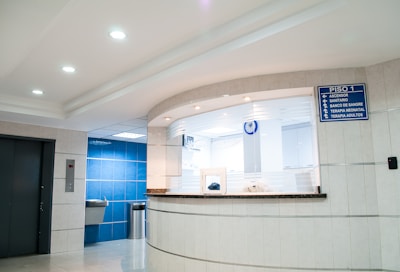
 Medical Facility
 Patient Care
 Consultation Room
 Medical Staff
 Recovery Suite
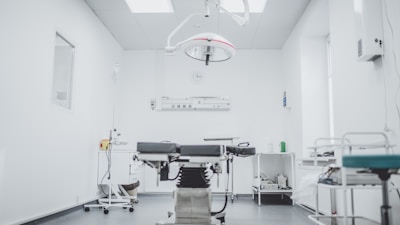
 Treatment Room